E-Paper



All criticism not a threat: Karnataka HC issues guidelines on cases over social media posts
The court said criticism and protest are protected forms of expression and that speech should be judged by reasonable, strong-minded people.

 Prefer HTon Google


The Karnataka High Court directed police to avoid mechanically registering cases over social media posts and ensure that an FIR does not automatically lead to an arrest, saying that the “effect of words must be judged by the standards of reasonable, strong-minded and courageous people, and not those who perceive every criticism as a threat.”
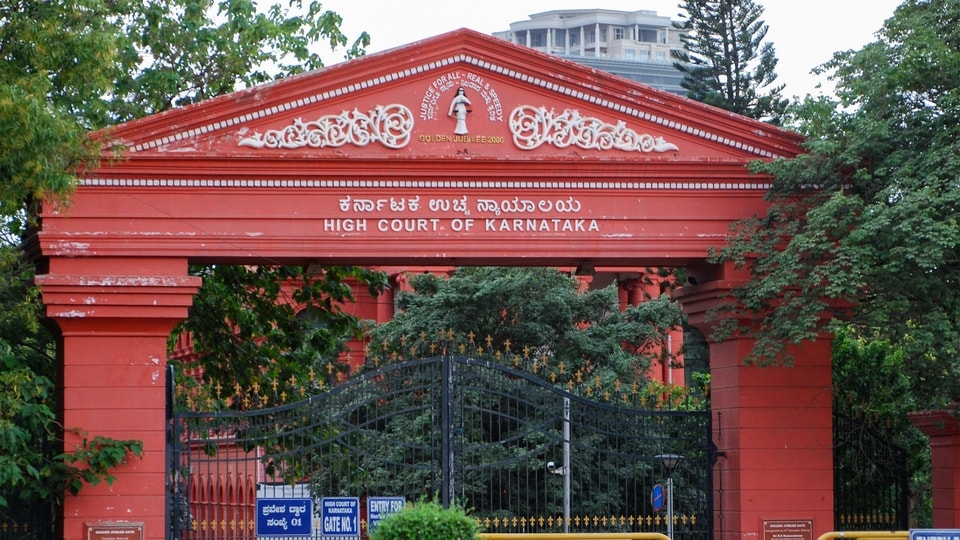
In an order dated October 16, Justice M Nagaprasanna issued guidelines to prevent multiple cases over the same incident and the arbitrary exercise of police powers.
The court made the observations while quashing a criminal case against one Sandeep Kumar, who was booked for allegedly promoting enmity after reposting on X a news report about six young men allegedly threatening a woman with a knife.
Also Read | Can social media bans protect young people’s mental health? Research suggests bans aren’t the answer
“Whenever a complaint is received alleging commission of an offence arising from a social media post, statement or expression, the jurisdictional police shall examine whether the allegations, taken at their face value, disclose the essential ingredients of the offence alleged. Mere reproduction of the language of a penal provision shall not substitute for factual allegations disclosing its ingredients,” the HC said.
“It is not a stray incident or a generated incident that the petitioner re-posts. It was a serious incident of six young men forming a group, following or stalking a woman in their Thar SUV and threatening her time and again. If this should not be reported in the social media, what else can be posted,” the court asked. Kumar had also posted that “law and order under fire”, the court noted.
The guidelines direct police to examine whether a complaint discloses the essential ingredients of an offence before registering a FIR. They must also check whether a case has already been registered over the same incident or a substantially identical post.
Also Read | 37 social media accounts under scanner for SIR protest misinformation
The court, in its order, said police must conduct a preliminary inquiry under Section 173(3) of the BNSS wherever legally permissible. They must also scrutinise the specific ingredients and intent required to invoke provisions such as Section 353(2) of the BNS, which penalises circulating false information or rumours with the intent to promote enmity between communities. The judge also said that the Supreme Court had recognised in its previous judgements that criticism and protest fall within the protection of freedom of speech and expression under Article 19(1)(a) of the Constitution.
The HC directed Karnataka’s director general and inspector general of police to circulate the guidelines and ensure compliance.