E-Paper



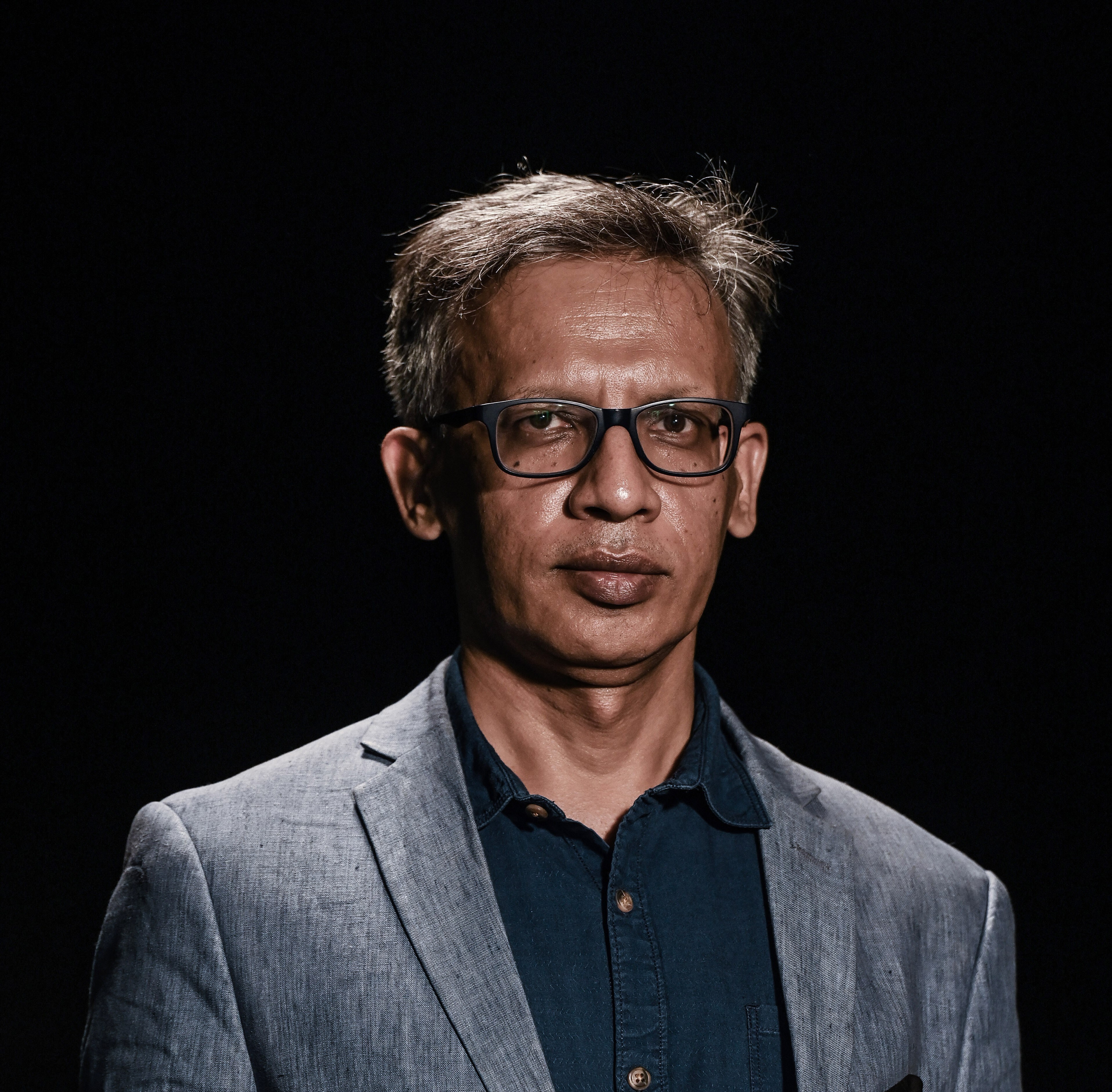
‘All options are on the table if Pakistan fails to crack down on terrorism’: Gareth Bayley
Bayley said Pakistan needs to make a “step change” to ensure stability in the region and “all options are on the table” if this doesn’t happen by the time of the FATF’s next plenary meeting in Paris in February.


Terror groups based in Pakistan are a source of instability for the whole region and “all options are on the table” if Islamabad fails to deliver on its commitments to crack down on terrorism and its financing, the UK’s special representative for Afghanistan and Pakistan said on Thursday.

Gareth Bayley, who is also director for South Asia and Afghanistan in the UK foreign office, said in an interview that an insistence on a ceasefire, instead of a reduction in violence, in the Afghan peace process would give “power to the spoiler”.
Post-Brexit UK, he said, is looking towards India as a “number one partner” for trade and investment and a strategic ally for ensuring maritime security in the Indian Ocean region. The UK will take all steps to address Brexit-related anxieties of the more than 800 Indian companies that use Britain as a base for operations across the European Union (EU), he said.
“[Terror] groups operating out of Pakistan are a source of instability for both the government of Pakistan and to the region, and it is vital that Pakistan works to combat terrorism and extremism,” Bayley said, adding the UK is backing Pakistan to “do the right thing”.
He noted that the UK and the US had co-nominated the “grey listing” of Pakistan by the Financial Action Task Force (FATF) in 2018, and the Paris-based multilateral watchdog had set more than 20 commitments for Islamabad, some of which have been achieved and “many more need to be done”.
Bayley said Pakistan needs to make a “step change” to ensure stability in the region and “all options are on the table” if this doesn’t happen by the time of the FATF’s next plenary meeting in Paris in February.
In Afghanistan, an initial reduction in violence could lead to a ceasefire as part of the negotiation process, he said. “If you make an end to violence the prerequisite for moving forward on peace negotiations, then you give the power to the spoiler and by doing that you set back your own ambition,” he added.
The talks between the US and the Taliban will lead to a “sidebar arrangement” and the focus should be on intra-Afghan negotiations, he said.
The UK will looks to “natural friends and partners” such as India, which will be a “number one partner”, once it leaves the EU at the end of this month, and a “frictionless trading and investment relationship” will be a focus area for the British government, he said.
India is the third largest investor in the UK and Indian firms have created 100,000 jobs, and Britian will ensure that the anxieties of these companies “do not materialise”, he said.
The UK believes the two sides can work together to secure the Indian Ocean region, with the British Indian Ocean Territory at the heart of these efforts, Bayley said. Besides joint military exercises, India and the UK can cooperate on maritime domain awareness, illegal fishing, humanitarian assistance and disaster relief and security of sea lanes of communication, he added.
Bayley said the UK’s maintains the position that India and Pakistan should bilaterally resolve the Kashmir issue while respecting the wishes of the Kashmiris. However, he called for British diplomats to be allowed into Kashmir to assess the ground situation.
“We have seen Prime Minister [Narendra] Modi’s commitments to a prospersous and successful future for Jammu and Kashmir. It is important...that the government of India be able to demonstrate what it is doing in that regard and therefore being able to see what is happening there is an evidently sensible requirement,” he said.