
 E-Paper



Article 371 debate takes centre stage in Meghalaya autonomous council polls
Article 371 under part XXI of the Constitution, grants some transitional & special powers to certain states including six from northeast other than Meghalaya

 Prefer HTon Google


Campaigning for the Khasi Hills Autonomous District Council (KHADC) and Jaiñtia Hills Autonomous District Council (JHADC) elections in Meghalaya ended on Wednesday with polling scheduled for February 21.
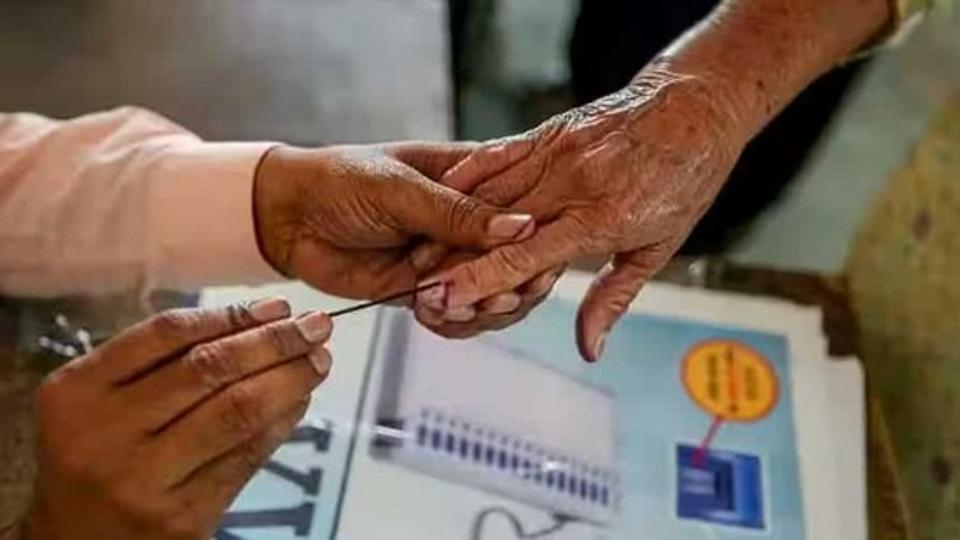
The implementation of Article 371 of the Constitution, which grants some temporary, transitional and special powers to certain states, in Meghalaya was one of the most talked-about subjects in the run-up to the elections. Unlike other states in the northeast, Meghalaya is fully governed under the Sixth Schedule of the Constitution since its formation as a state in 1972.
The opposition, Voice of the People Party (VPP), was at the forefront of this debate during the campaign, arguing that Article 371 will provide stronger protection for Khasi and Jaintia tribal rights compared to the existing Sixth Schedule. The president of VPP, Ardent Miller Basaiawmoit, strongly advocated for this change, saying that greater constitutional autonomy is necessary to safeguard indigenous land rights, customs, and governance systems.
This proposal has met significant opposition as well. The Congress and the United Democratic Party (UDP) leaders have criticised the move, warning that it could create legal ambiguities and trigger administrative confusion.
Also Read: SC dissolves CMJ University, upholds Meghalaya govt’s 2014 order
The Congress party’s, Ronnie V. Lyngdoh, said, “The Sixth Schedule already provides adequate protections for our people. There is no need for unnecessary constitutional changes that will only create confusion.” Similarly, Paul Lyngdoh of UDP dismissed the proposal, arguing that the Sixth Schedule and Article 371 are mutually exclusive, and attempting to implement both could result in “…jurisdictional conflicts”.
The Sixth Schedule provides for the administration of tribal areas in Assam, Meghalaya, Tripura and Mizoram to safeguard the rights of the tribal population.
The tribal areas in the four states are governed as autonomous districts. But they do not fall outside the executive authority of the state and the Governor is empowered to re-organise the autonomous districts.
As mentioned earlier, Article 371 under part XXI of the Constitution, grants some transitional and special powers to certain states. Several states in India’s northeast including Assam, Arunachal Pradesh (AP), Mizoram, Nagaland, Manipur and Sikkim have separate provisions under it but Meghalaya is not included in this list. These provisions aim to protect the interests of these states, particularly those with tribal populations or distinct cultural identities while ensuring their integration into the larger framework of the country.
What it has for states other than Meghalaya
For example, Article 371A has special provisions for Nagaland, safeguarding its religious and social practices, customary laws, and administration of civil and criminal justice. Article 371B for Assam ensures equitable distribution of legislative and executive powers between the union and the state governments.
Article 371C has special provisions for Manipur, ensuring autonomy over its administration and laws related to land and its resources and Article 371E allows Sikkim to safeguard its ownership rights over land and resources and its unique cultural identity.
Similarly, Article 371F has special provisions for the state of Mizoram, ensuring protection of its social and customary laws, administration of civil and criminal justice, and equitable opportunities in education and public employment and Article 371G allows AP to safeguard its religious and social practices, customary laws, and administration of civil and criminal justice.
Meghalaya is the exception
In Meghalaya ahead of the autonomous council polls, the controversy surrounding Article 371 dominated political discourse with public opinion sharply divided. While supporters see it as a means to preserve and strengthen indigenous rights, detractors view it as an impractical proposal that could undermine the existing governance structure. This heated debate has likely influenced party campaigns and voter sentiments across Khasi and Jaiñtia Hills.
Also Read: Rare fossil found in Meghalaya’s last year reported stolen; probe on
The VPP has positioned itself as the party advocating for greater autonomy, intensifying discussions on Article 371. A controversial aspect of Basaiawmoit’s campaign has been his stance on Khasi matrilineal customs. He has challenged the traditional practice of children taking their mother’s surname, asserting that fathers should have the right to pass on their names.
In response to the Khasi Hills Autonomous District Council (KHADC) ruling that Scheduled Tribe (ST) certificates should not be issued to individuals adopting their father’s surname, Basaiawmoit declared, “I will fight for my children if there is an attempt to take away their right of being called Khasis.” His stance has drawn both support and criticism within the Khasi community.
As Meghalaya moves into the critical silence period before polling day, all eyes are on how the electorate will respond to the key issues at stake. The stage is set, the candidates have made their final appeals, and now, it is up to the people of Meghalaya to decide the future of their autonomous councils.


