
 E-Paper



As 2nd Covishield doses begin, supplies fall short
Till Friday morning, Delhi had 39,420 doses of Covishield and 234,730 doses of Covaxin, according to the government’s vaccination bulletin.


The pace of Covid-19 vaccinations in Delhi slowed down further on Friday, as the city administered 35,700 jabs, a day after it halted the use of Covishield for first doses in government centres due to a shortage of supplies.
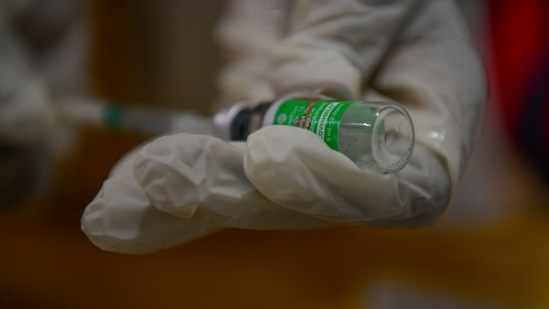
The Delhi government’s orders on Thursday, in effect till July 31, came as people in the 18-45 age bracket who took the jab on May 1, when the vaccine drive opened up for all adults, became eligible for the second dose of Covishield, as the 84-day gap between jabs ended.
On Thursday, around 48,600 doses of Covid-19 vaccines were administered in Delhi.
The halt on using Covishield for first doses is likely to end in the first week of August, said officials.
“We expect that Delhi will start receiving more doses from the Centre. This month the supply was quite restricted, because of which we weren’t able to run all centres,” said an official from the West District.
Officials at state-run vaccination centres said they were forced to send people away.
“Of course we faced problems. There were people coming in, but we did not have any vaccine doses. We had to ask them to leave. Delhi received very few doses today [Friday],” said the official aware of the city’s vaccine stocks.
Till Friday morning, Delhi had 39,420 doses of Covishield and 234,730 doses of Covaxin, according to the government’s vaccination bulletin.
Another official from South east district said, “This is not the first time we have had to turn people away. There are times when doses are in short supply and we have to keep centres closed or shut them in the middle of the day. This is a supply chain problem.”
Delhi health minister Satyendar Jain on Friday said, “The Delhi government is prepared to vaccinate people. We can vaccinate the entire population within three months. But whenever we get the vaccines, they get over in a day or two. We are just waiting for the vaccines.”
“Scientifically, people who have had an infection have very little chance of getting a second infection. By now, at least 80% of Delhi’s population would have been exposed to the infection, so we need to vaccinate a very small proportion of people... Usually we see a lot of hesitancy when it comes to vaccines but right now people are eager to get it but there are no vaccines available. This hampers the trust in the programme,” said Dr Jugal Kishore, head of the department of community medicine at Safdarjung hospital


