
 E-Paper



As Pak army pushes for 20% hike in budget, India’s ‘I told you so moment’
A leaked Defence Ministry memorandum said the Joint Staff Headquarters in consultation with the service headquarters had proposed the hike because personnel were feeling the crunch due to a devalued rupee and inflation

 Prefer HTon Google


At the April 16 meeting of the International Monetary Fund that cleared Pakistan Prime Minister Imran Khan’s request for $1.4 million aid to deal with the coronavirus crisis, the Indian representative on the board Surjit Bhalla had sounded a cautionary note.
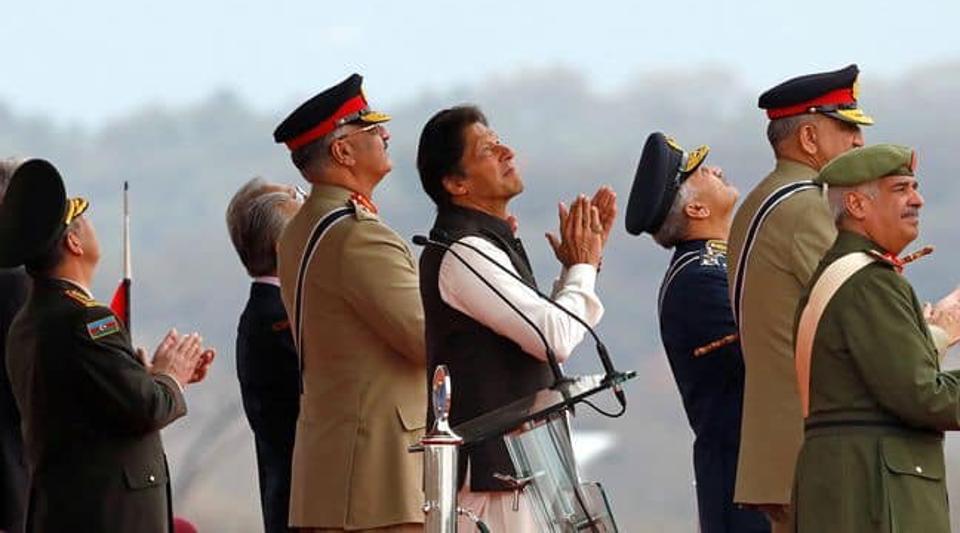
Bhalla had noted a propensity in Islamabad to divert development funds for security and asked the IMF to track what Pakistan does with the money. The IMF should, Bhalla suggested, monitor to ensure that the Pakistan government’s resources freed up as a result of the IMF assistance are only used for emergency response to the Covid-19 situation and “there’s no diversion of these resources to other sectors such as security”. Or to service its huge debt liabilities.
ALSO WATCH | ‘They want riots...’: PoK activist on Pakistan bid to hold Gilgit Baltistan polls
In the past, Bhalla said, there were reports to indicate that Pakistan had done both.
Less than a month later, there is some indication that the Indian economist’s cautionary note wasn’t out of place.
Pakistan’s Defence ministry last week pitched for a 20% raise in salaries of their personnel for the next financial year.
A leaked Defence Ministry memorandum says the Joint Staff Headquarters in consultation with the service headquarters had proposed the hike because personnel were feeling the crunch due to a devalued rupee and inflation.
Pakistan watchers in India say the pressure from the military - the army gets the largest share of the budget - was part of a long-establishment pattern.
Last year, the Pakistan government raised the defence expenditure by a modest 4.5% over the previous year’s budget estimate to Pakistani Rs 1.15 trillion ($ 7.6 billion). That increase came a much-publicised statement by Army Chief Gen Qamar Bajwa that the armed forces would ‘forego’ the routine hike in the defence budget due to the financial crisis.
Also Read: Pak’s troubled economy is hurting more than Imran Khan wants to believe | Opinion
The Imran Khan government had also played along. Hammad Azhar, the then minister of revenue, told parliament in his budget speech that the defence budget would remain unchanged at Rs 1.15 trillion. But a news agency PTI analysis later indicated this was inaccurate; the budget documents indicated a 4.5% hike over the previous year’s budget estimate and 1.3% over the revised estimates.
The military’s push for a budget hike this year comes when Pakistan’s financial crisis, like economies elsewhere in the world, just got worse due to the Covid-19 outbreak.
Pakistan watchers in India insist that a hike in the defence budget to keep the army commanders in good humour was an erroneous proposition, irrespective of how you look at it.
For one, it reduces the meagre resources available with the government to restart the economy, strengthen health infrastructure and help the millions who are suffering the most due to Covid-19 and the lockdown that it induced. Pakistan has already reported close to 39,000 cases and over 800 deaths.
It would not do any good to the military either. If the military is starved of funds for operational planning and capital investment, the offensive capability of the military will take a hit. That could further increase the reliance of the military on its strategic arm, the jihadis, both on the eastern and western borders, and run the risk of destabilising the Indian subcontinent.


