
 E-Paper



As US clears Rana extradition, focus on 6 other ‘conspirators’ of 2008 Mumbai attacks
The six continue to operate freely in Pakistan despite international sanctions and convictions, officials said

 Prefer HTon Google


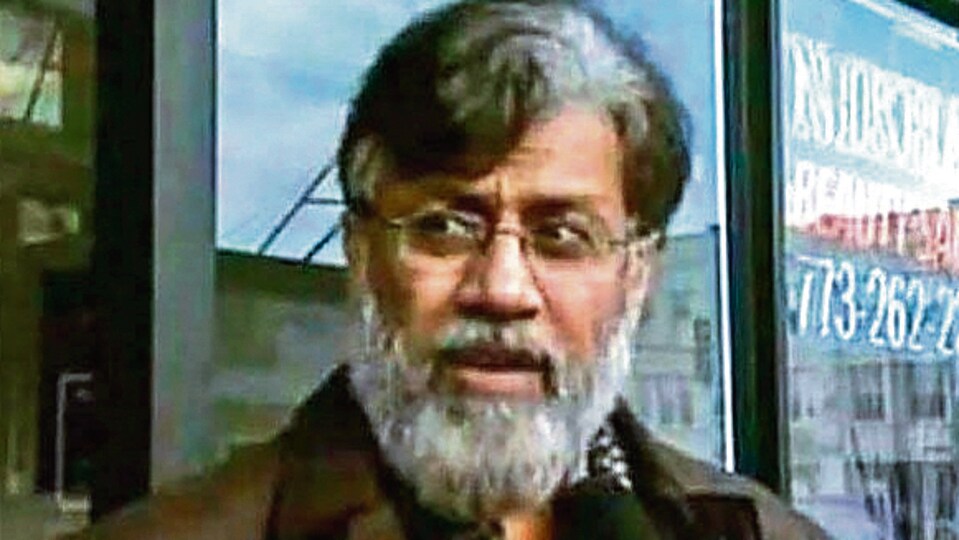
With Pakistani-Canadian businessman Tahawwur Rana facing imminent extradition to India following US approval, there is renewed attention on six other alleged conspirators of the 2008 Mumbai attacks, who remain in Pakistan without facing significant legal consequences, senior Indian security officials say.
The six continue to operate freely in Pakistan despite international sanctions and convictions, officials said, including Lashkar-e-Taiba (LeT) chief Hafiz Muhammad Saeed. Despite receiving a 78-year prison sentence in Pakistan in 2020 under US pressure, Saeed “is under protection of the ISI and freely carries out his group’s terror activities”, one of these officials said.
The group’s operations chief, Zaki-ur-Rehman Lakhvi, received three consecutive five-year sentences for terror funding in 2021. However, Indian agencies’ officers say he can carry out his activities freely as well.
Commander Sajid Majeed, also known as Sajid Mir, was reportedly sentenced to eight years’ imprisonment, but Indian officials say his whereabouts remain unclear. Three other suspects — retired military major Abdur Rehman Hashim Syed (alias Pasha) and two Inter-Services Intelligence (ISI) officers, Major Iqbal and Major Sameer Ali — have never faced prosecution.
“Seven out of 10 conspirators were based in Pakistan at the time of 26/11 attacks, from planning stage to managing the control room”, a senior Indian officer said, speaking on condition of anonymity. “We sent letters of request (letter rogatories) to Pakistan’s government seeking information and evidence against them but till date, there is no cooperation”.
Two other plotters are no longer at large. LeT’s former deputy head Abdul Rehman Makki, Saeed’s brother-in-law, died in Lahore last December.
Ilyas Kashmiri, who was a leader in al-Qaeda and its Pakistan-based affiliate Harkat-ul Jihad Islami, reportedly died in a US drone strike in June 2011.
The U.S. Supreme Court’s rejection of Rana’s appeal last month, followed by the Trump administration’s approval, paves the way for his extradition. “We have long supported India’s efforts to ensure the perpetrators of the Mumbai terrorist attacks face justice,” a US State Department spokesperson told Hindustan Times.
Rana, a former Pakistan Army medical officer who moved to Canada in 1990 and later acquired citizenship, allegedly assisted David Coleman Headley in gathering intelligence for the attacks that killed 166 people. After relocating to Chicago, he opened a consultancy firm and, according to Indian agencies, established a Mumbai branch to help Headley gather information about potential targets.
Federal prosecutors proved during court proceedings that Rana was aware of Headley’s involvement with LeT and supported the organisation by providing cover for his activities. Headley, who conducted reconnaissance of the targets in Mumbai during multiple visits to India, is currently serving a 35-year sentence in the United States.
The National Investigation Agency (NIA) plans to question Rana about his visits to Mumbai, Agra, Hapur, Cochin and Ahmedabad between 13-21 November 2008, immediately before the attacks. India’s extradition request for Saeed remains pending with Pakistani authorities.


