E-Paper



Auto, taxi rides to become costly in Delhi after CNG price hike? What we know
The unions demanded that the minimum fare for the first 1.5 kilometres be raised from ₹30 to ₹50 in the national capital.

 Prefer HTon Google


Auto-rickshaw and taxi fares in Delhi could go up soon as transport unions pushed for an immediate revision following the recent rise in CNG prices in the national capital.
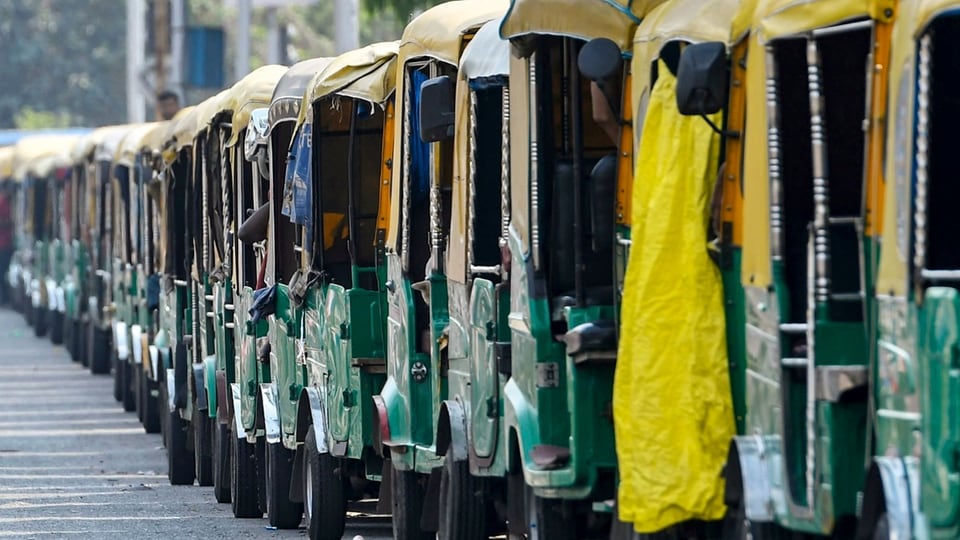
CNG prices in cities such as Delhi and Mumbai were increased by ₹2 per kg on Friday. Petrol and diesel rates were also raised by ₹3 per litre each. This is the first fuel price hike in more than four years and comes amid rising global crude oil prices due to the US-Iran war.
ALSO READ | Hints by govt, caution by experts: Why this fuel price hike might just be the beginning
How much price hike is expected?
In a letter addressed to Delhi chief minister Rekha Gupta, the Delhi auto rickshaw union and Delhi Pradesh taxi union urged the government to revise auto and taxi fares immediately. The unions said the move would help avoid disputes between passengers and drivers and reduce the financial pressure on auto and taxi operators.
The unions demanded that the minimum fare for the first 1.5 kilometres be raised from ₹30 to ₹50. They also called for an increase in the per-kilometre fare from ₹11 to ₹15.
They have also asked for waiting charges to be fixed at ₹1 per minute and additional luggage charges at ₹25. They said the existing night fare rule should remain unchanged, under which passengers are charged 25% extra between 11 pm and 5 am.
The letter pointed to rising operational expenses, saying that the fitness charge for auto taxis was increased from zero to ₹800 in February this year. It added that the cost of tyres, engine parts, oil and other spare parts has also been going up steadily.
CNG, petrol and diesel prices hiked in India
CNG in Delhi is now priced at ₹79.09 per kg, while in Mumbai it costs ₹84 per kg.
Petrol prices in Delhi have increased from ₹94.77 per litre to ₹97.77 per litre. Diesel rates have gone up from ₹87.67 per litre to ₹90.67 per litre.
Meanwhile, the Delhi government has announced several steps, including work-from-home for two days a week in government offices, staggered office timings and a ban on official foreign travel for the next year.
The measures were announced after Prime Minister Narendra Modi appealed to people to conserve fuel and help reduce foreign exchange outflow amid the ongoing West Asia crisis.