
 E-Paper



‘Bandar mara gaya’: 15 min after missiles struck Balakot, a phone call in Delhi
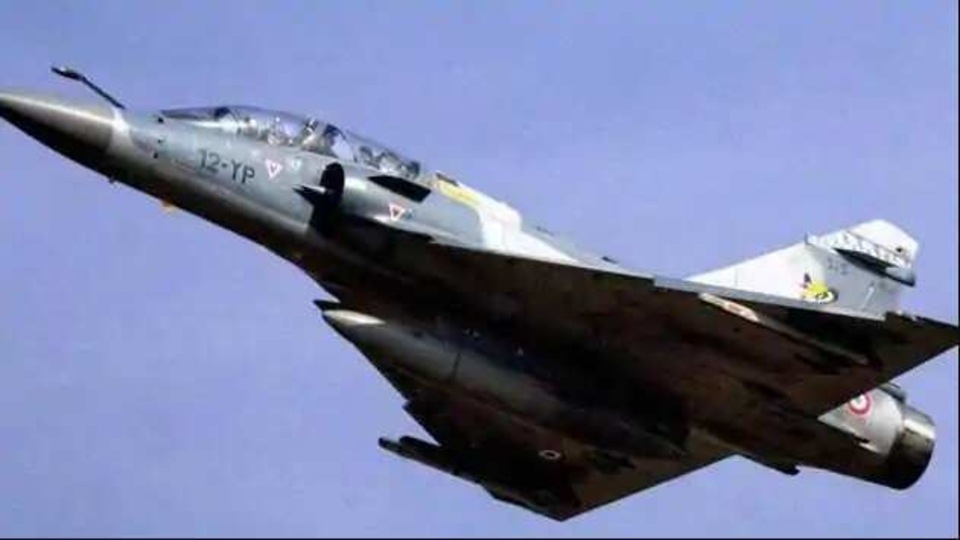
Ahead of the Balakot air strike, a posse of Indian fighters was scrambled in the Rajasthan sector to get the Pakistan Air Force to move all its assets to intercept the Indians over the skies of Bahawalpur. The IAF’s Mirage 2000 fighters released their Spice 2000 penetrator bombs, each packed with 90 kg explosives, soon after.

 Prefer HTon Google


At 3.45am on February 26, 2019, the then Air Chief BS Dhanoa made a telephone call to National Security Adviser Ajit Doval on a special RAX number. RAX is an ultra-secure fixed-line network.
“The monkey has been killed,” he said in Hindi. “Bandar mara gaya.”
The message meant that the Jaish-e-Mohammed (JeM) terrorist training camp at Balakot in hinterland Pakistan had been taken down by Indian fighter jets in a daring pre-dawn operation across the border.
Dhanoa made similar calls to then Defence Minister Nirmala Sitharaman and Secretary (Research and Analysis Wing) Anil Dhasmana.
NSA Doval, in turn, informed Prime Minister Narendra Modi.
Also Watch | 'Big mistake': PM Modi's stern warning to terror outfits
The Indian response to the February 14, 2019 Pulwama suicide attack engineered by JeM, in which 40 CRPF troopers were killed was complete. Now two years later, more granular details of the operation, including its name, and the failure of one missile with optical guidance have emerged.
Top officials and functionaries involved in Balakot strike told HT that the code name Bandar was deliberately chosen in order to confuse Pakistani intelligence, which, the Indian side hoped, would think the reference was to the JeM HQ at Bhawalpur with the terror group’s ailing chief Masood Azhar living securely within the compound.
Also Read | NSA Doval led secret back-channels talks with Pak for months before DGMO pact
Ahead of the strike, and in keeping with this deception, a posse of Indian fighters was scrambled in the Rajasthan sector to force the Pakistan Air Force to move all its assets to intercept the Indians over the skies of Bhawalpur. As a result, when IAF’s upgraded Mirage 2000 fighters released their Spice 2000 penetrator bombs which are packed with 90 kg explosives, the closest Pakistani aircraft was 150 kilometres away. IAF deliberately chose February 26 as D-day; it was the last quarter of the full moon; and the fighters successfully evaded Pakistani radars flying below the Pir Panjal ranges. According to the officials, all five bombs struck home at 330 am IST or 300 am Pakistani time.
The sixth bomb carrying optical guidance making did not fire due to a software snag. The only place left untouched in Balakot was the mosque, which had already started preparation of the Fajr namaz.
After the strike was completed, a cabinet meeting was summoned by PM Narendra Modi with all senior ministers, top PMO officials, Cabinet Secretary, Home Secretary, Foreign Secretary, Secretary (RAW), Director Intelligence Bureau and then Air Chief present. It was at this meeting that PM Modi openly thanked Indian intelligence, particularly RAW for its actionable intelligence and the intrepid IAF chief for a daring operation. A beaming Finance Minister Arun Jaitley patted both the leaders on their backs and Doval shook hands with Dhanoa and Dhasmana.
However, national security planners were concerned about the last missile not being fired as the job of optical guidance was to get proof of the strike and counter any Pakistani or western propaganda about the strike. Sure enough, the Pakistani propaganda machine swung into action immediately by showing images of high explosive ordnance in Pakistan Occupied Kashmir to suggest that the strike had failed. The officials said IAF deliberately chose penetrator bombs so that there was minimal collateral damage; they added that images from within the Balakot camp showed at least 300 jihadists present a day before the strike. According to the officials, much of the actionable intelligence for IAF was routed through then RAW deputy chief Samant Goel (now the chief of the agency), and at least some of it came from a source within the camp.
It is still not clear whether the Indian mole inside the Balakot camp survived the Indian missiles.


