
 E-Paper



Bills for death to child abusers, resolution of insolvency passed
Both the bills were passed by the Lok Sabha on Thursday with a voice vote. The Rajya Sabha had on July 24 cleared the Protection of Children from Sexual Offences (Amendment) Bill, 2019, or Pocso, and the Insolvency and Bankruptcy Code (Amendment) Bill 2019, on July 29.

 Prefer HTon Google


Parliament on Thursday approved a bill seeking to provide death penalty for aggravated sexual assault on children, and also approved changes in the three-year-old Insolvency and Bankruptcy Code (IBC) providing greater clarity over distribution of the proceeds of auction of loan defaulting companies.
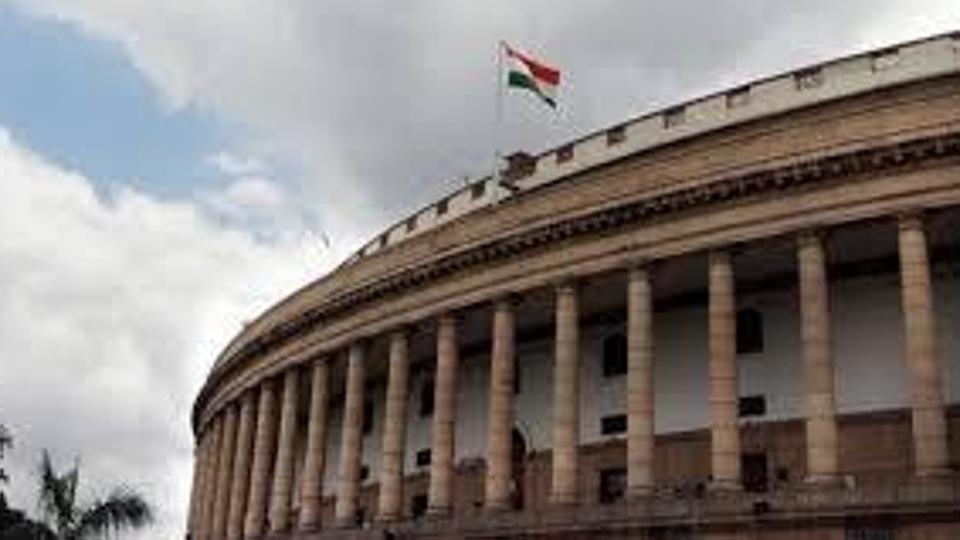
Both the bills were passed by the Lok Sabha on Thursday with a voice vote. The Rajya Sabha had on July 24 cleared the Protection of Children from Sexual Offences (Amendment) Bill, 2019, or Pocso, and the Insolvency and Bankruptcy Code (Amendment) Bill 2019, on July 29.
Replying to a debate on Pocso, women and child development minister Smriti Irani said 6.2 lakh sexual offenders listed in the national database were being tracked by investigative agencies.
She said the government was working to create 1,023 fast-track courts under the Nirbhaya fund to provide speedy justice in cases of crimes against women.
Irani expressed concern over the rise in the number of juvenile perpetrators of crimes, and the “slow rate” of conviction in Pocso cases. The minister said steps had been taken for witness protection and states urged to create a witness protection fund.
In her reply to a discussion on the Insolvency and Bankruptcy Code (Amendment) Bill, finance minister Nirmala Sitharaman said the legislation would bring in more clarity on various provisions, including time-bound disposal at the application stage for resolution plan and treatment of financial creditors.
As many as seven sections of the IBC are being amended. The bill gives a committee of creditors of a loan defaulting company explicit authority over the distribution of proceeds in the resolution process and fixes a timeline of 330 days for resolving cases referred to the IBC.
Once the corporate insolvency resolution process (CIRP) begins, it has to be completed in 330 days, she said, citing the proposed amendments. The approved resolution plan would be binding on central and state governments as well as statutory authorities, Sitharaman said.
Referring to the issue of home buyers raised by some members, she said the provisions of the bill strengthen the hands of homebuyers and the government would endeavour to do full justice to them.


