E-Paper



BSF detects two ammunition dumps in Malkangiri forests ahead of polls next month
A BSF officer said 7 single barrel muzzle loader guns, tiffin IEDs of 5 kg, hand grenades and hundreds of fragmented steel balls have been seized

 Prefer HTon Google


Bhubaneswar: The Border Security Force (BSF) on Thursday detected two ammunition dumps of Maoists in Malkangiri leading to the seizure of guns and explosives a month before Odisha votes for the Lok Sabha and simultaneous assembly elections in four phases beginning May 13.
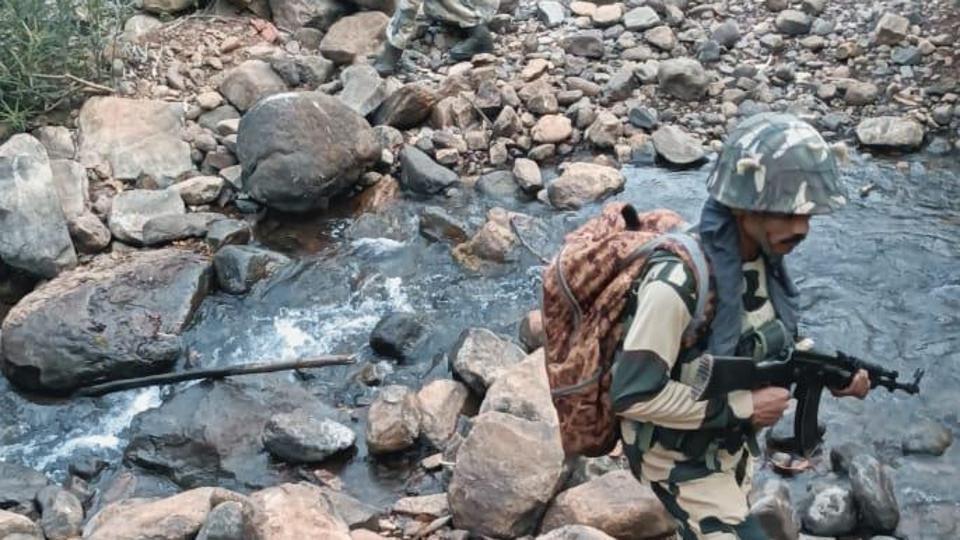
A BSF officer said 7 single barrel muzzle loader guns, tiffin IEDs of 5 kg, hand grenades and hundreds of fragmented steel balls have been seized.
The officer said the two ammunition dumps were spotted during a joint operation conducted by several BSF units in Malkangiri’s Bejangiwada reserve forest area. “The team found the Maoist dumps, side by side, concealed within rock cavities nestled in the forest of Kalimela area of the district. The Maoists must have kept the arms dump to engineer violence during polls,” said a senior BSF officer.
Malkangiri district, which is part of Nabarangpur Lok Sabha constituency, goes to polls on May 13 along with Koraput, Kalahandi and Berhampur Lok Sabha constituencies.
The detection of the ammunition dump comes weeks after the District Voluntary Force of Odisha Police seized 190 gelatin sticks and improvised explosive devices including one weighing 20kg in the same area.
This is the third explosive dump of the Maoists to have been detection in Malkangiri since February this year when Border Security Force found three pressure cookers, 20 metres of Cordex, 24 gelatine sticks and 2 bundles of electric wire.
Odisha DGP Arun Sarangi who visited Malkangiri district last week said polling booths would be located in villages instead of BSF camps in Malkangiri this time as there have been no reports of Maoist violence in the region over the last 18 months.