
 E-Paper



CAG report: Road safety policy failed to reduce accidents
The report added that rules required for carrying out the functions of KSRSA were not framed till October 2021


Karnataka State Road Safety Policy failed to realise its target of reducing accidents on road, the Comptroller and Auditor General of India (CAG) said in its report submitted before the state assembly on Wednesday.
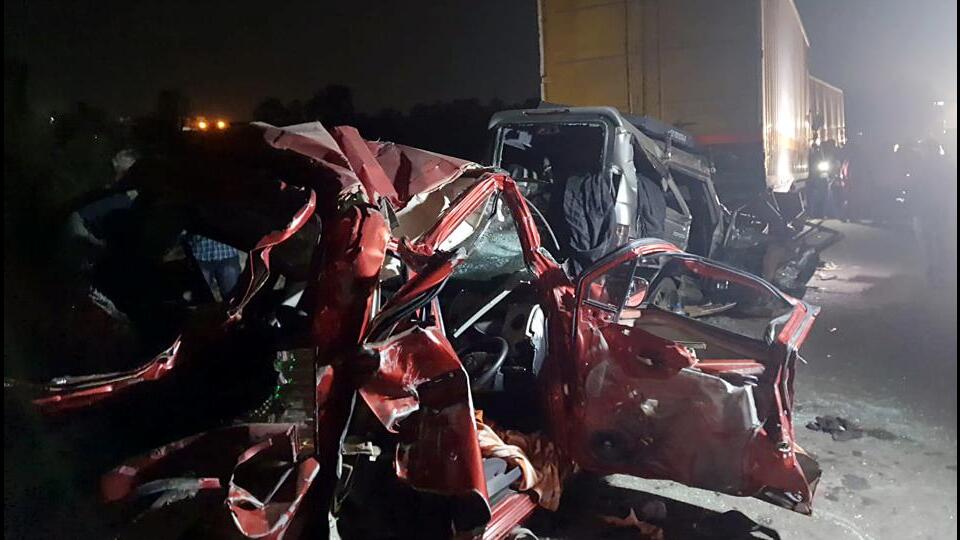
According to the report, Karnataka government brought out the policy in 2015 to make roads safer in the state. The policy was followed by the enactment of the Karnataka State Road Safety Authority Act, 2017. The Act provided for the establishment of the Karnataka State Road Safety Authority (KSRSA), the main objective of which was to reduce accidents and mortality by 25% and 30% respectively, by 2020.
However, the report pointed out that there was no reduction in accidents despite the new policy. “There was no reduction in the number of accidents till 2019 but the reduction was seen during 2020 on account of lockdown restrictions that prevailed during the year. However, the targets set in the policy were not realised as fatal accidents increased in 2020 when compared to 2015,” read the report.
It further added that rules required for carrying out the functions of KSRSA were not framed till October 2021, and even though ₹480.50 crores were accumulated between 2017-18 to 2019-20 from the cess, the amount was transferred to the Road Safety Fund only during 2020-21.
“The Authority approved works related to Police and Transport Department for ₹100 crore during 2020-21. However, Utilization Certificates had not been obtained from the grantees,” the report added.
The CAG also pointed out that joint inspection of sampled road stretches revealed that BBMP (Bengaluru civic body) roads were the most hazardous, with an average of 19 to 20 hazards per kilometre, followed by the state highways, major district road and national highways with 8.87, 8.43 and 7.39 hazards per kilometre respectively, read the report.
The road managing agencies concerned had also failed in timely identification and rectification of the identified black spots, where repeated or fatal accidents occurred “…Driving licences and fitness certificates for vehicles were issued without following due process as huge vacancies existed in the cadre of Inspector of Motor Vehicle. Highway patrolling introduced by the police department with multitasking responsibilities in the state though a good initiative, did not function as envisaged and was diverted for other purposes,” the report added.


