
 E-Paper



‘Can’t exploit workers, stifle voices’: Rahul Gandhi on labour laws dilution
Earlier, eight political parties wrote to President Ram Nath Kovind protesting the changes to labour laws, including extending the daily working hours from eight to twelve in six States, on the grounds of fighting the Covid-19 pandemic.

 Prefer HTon Google


Congress leader Rahul Gandhi, championing the cause of factory workers, on Monday spoke out against the alleged dilution of labour laws by some states and underlined that the battle against coronavirus cannot be an excuse to suppress the voices of millions of workers.
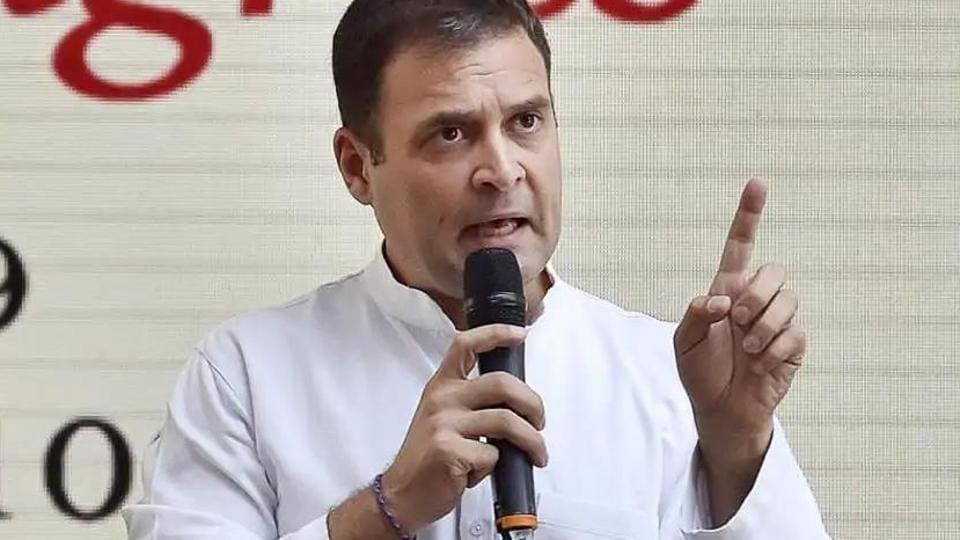
“Labour laws are being amended by many states. We are fighting together against Corona[virus], but this cannot be an excuse to trample human rights, allow unsafe workplaces, exploit workers and suppress their voices. We cannot compromise on the basic principles [protecting the rights of workers],” tweeted the Congress leader in Hindi.
Earlier, eight political parties wrote to President Ram Nath Kovind protesting the changes to labour laws, including extending the daily working hours from eight to twelve in six States, on the grounds of fighting the Covid-19 pandemic.
Also Watch | ‘Deposit ₹7,500 in poor people’s accounts immediately’: Rahul Gandhi
The BJP-ruled Uttar Pradesh and Madhya Pradesh, two states with substantial workforces, have frozen major labour laws, except basic ones, in the hope that businesses will recoup from the blow of the Covid-19 pandemic and create more jobs on a net basis.
The changes give industries more flexibility in hiring and firing employees, determining their wages, and reduce their liabilities in terms of providing employee benefits.
Some economists welcomed the move for clearing structural bottlenecks, possibly leading to greater investment, creating employment opportunities for migrant workers returning home, and positioning India to be able to take advantage of disruptions in global supply chains.
The move, however, also sparked intense criticism from the Opposition, particularly left parties, trade unions including those affiliated to the Rashtriya Swayamsevak Sangh, and civil society activists for undermining worker rights, removing decades-old protective measures and slowly dismantle the welfare architecture.
To be sure, 90% of India’s workforce, which is employed in the informal sector, won’t be affected by these changes. These apply to those who are in the organised workforce and registered firms.
UP suspended key labour laws for three years on May 6 through an ordinance, even as MP announced on May 7 it was taking a similar course to put all labour laws on hold, barring some provisions of the Factories Act, 1948, for the next 1,000 days. The move comes after the BJP held consultations with stakeholders back in April.
Uttarakhand labour minister Harak Singh Rawat said his state too was contemplating “similar moves” to give exemptions to industry to help them deal with losses.


