E-Paper



Centre proposes 90-day work a year for gig workers to avail social security benefits: What it means
The notification came at a time when some gig and platform workers held a strike on New Year’s Eve, demanding higher payouts and better working conditions.

 Prefer HTon Google


Gig and platform workers would now need to be engaged for at least 90 days with an aggregator, or at least 120 days in the case of multiple aggregators, within a financial year to be eligible for social security benefits, according to the draft rules released for public comment by the Union labour ministry.
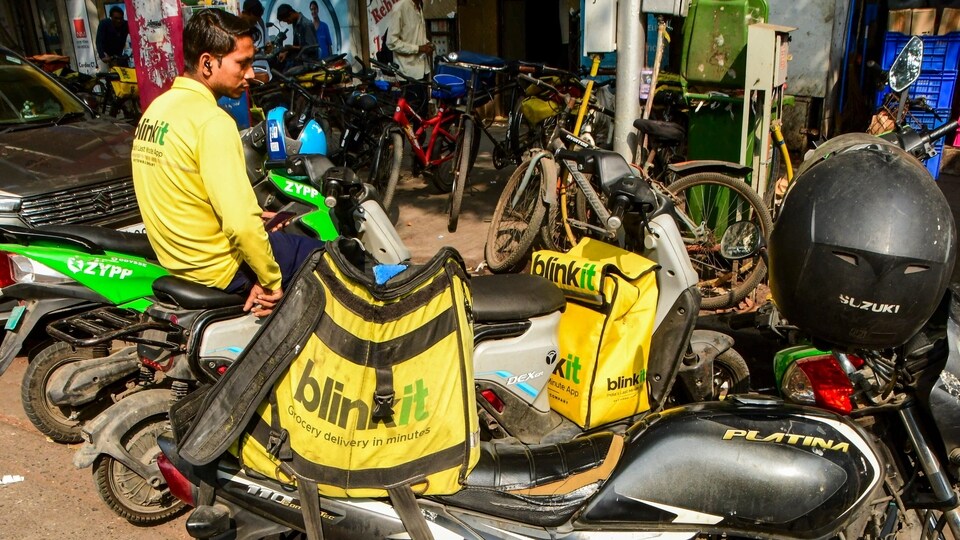
The notification, dated December 30, 2025, came a day before gig and platform workers' strike on New Year’s Eve demanding higher payouts and better working conditions.
Social security benefits for gig workers: What do the draft rules say?
Under the draft rules, gig and platform workers must be engaged with an aggregator for at least 90 days in a financial year to qualify for social security benefits established by the Centre. For those working with more than one aggregator, the required period increases to 120 days.
The rules define a worker as engaged if they have earned income for work carried out for an aggregator on a particular calendar day, regardless of the amount earned.
As per the explanation provided in the document, here is a simple breakdown of this rule:
- A gig worker or a platform worker will be treated as engaged with an aggregator for one day if they earn any income, irrespective of the amount, for work done for that aggregator on that calendar day.
- If a gig worker or a platform worker works for multiple aggregators, the total number of engagement days will be counted cumulatively across all aggregators.
- If a gig worker or a platform worker is engaged with three aggregators on the same calendar day, it will be counted as three days of engagement.
The rules also clarify that an eligible gig or platform worker includes those engaged by an aggregator directly or through an associate company, holding company, subsidiary company, limited liability partnership, or through a third party.
Registration, digital IDs for unorganised workers
While mandating the registration of unorganised workers on the designated portal of the Centre, it said that every eligible registered unorganised worker will be issued a digital identity card carrying their photograph and other details specified by the Central Government.
Notably, the labour ministry has already begun the registration process on the e-Shram portal, which serves as the national database for unorganised workers. Through this platform, registered workers can receive recognition and access social security benefits.
Eligible unorganised workers will also be required to regularly update details such as address, occupation, mobile number, skill, or any other required information. The draft rules state that failure to update these details may result in workers becoming ineligible for social security schemes.