
 E-Paper



Chhattisgarh to return tribal land acquired for Tata Steel in Bastar
The Congress party had promised in its Chhattisgarh manifesto that since the land acquired for Tata Steel in Bastar is lying idle for more than five years it would be returned to the tribals as per Right to Fair Compensation and Transparency in Land Acquisition Act, 2013, if they come to power.


The newly-elected Congress government in Chhattisgarh has said it will return the land acquired from tribal farmers in Bastar in 2005 by the state government for the proposed Tata Steel project, which did not take off.
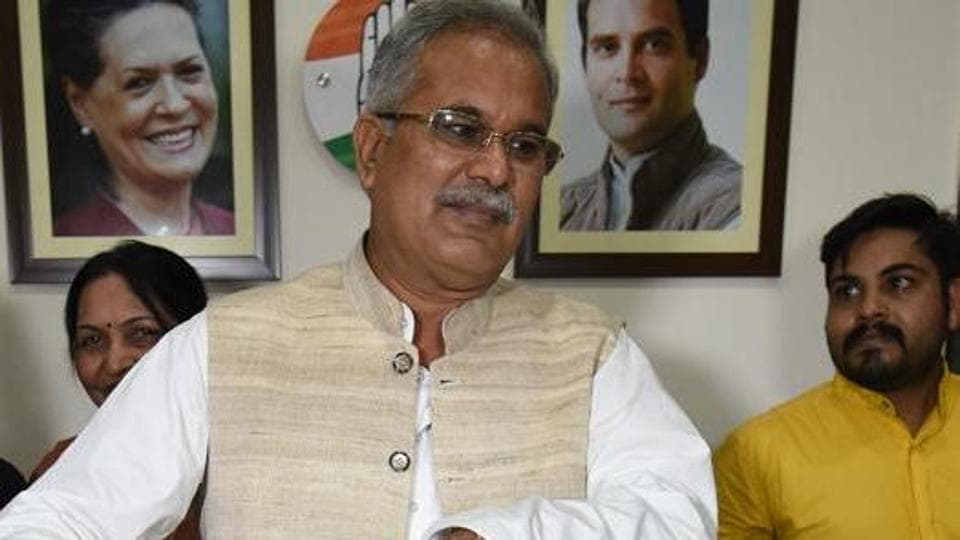
The state government issued a press release on Monday stating that chief minister Bhupesh Baghel has issued directions to the concerned department and the process of returning the land of the tribals will start soon.
The Congress party had promised in its manifesto that since the land is lying idle for more than five years it would be returned to the tribals as per Right to Fair Compensation and Transparency in Land Acquisition Act, 2013, if they come to power.
In 2005, Raman Singh-led Bharatiya Janata Party (BJP) government signed a Memorandum of Understanding (MOU) with Tata Steel and promised to set a plant worth ₹19,500 crore in Lohandiguda in Bastar.
The state government later acquired about 2,045 hectares of land in ten villages. Subsequently, in August 2006, Tata Steel closed the Lohandigua project but the state government did not give the land back to the owners.
Tata Steel officials in Jamshedpur declined to comment on the issue.
-kW0H-U20214218012MgB-250x250%40HT-Web.jpg)


