E-Paper



CJI Ramana recommends justice Uday U Lalit as his successor
Ramana named his successor in response to a missive from the Union law ministry on Wednesday, seeking the recommendation on the next CJI

 Prefer HTon Google


Justice Uday U Lalit is set to take over as the 49th Chief Justice of India (CJI) on August 27 with the incumbent, NV Ramana, on Thursday recommending the former as his successor.
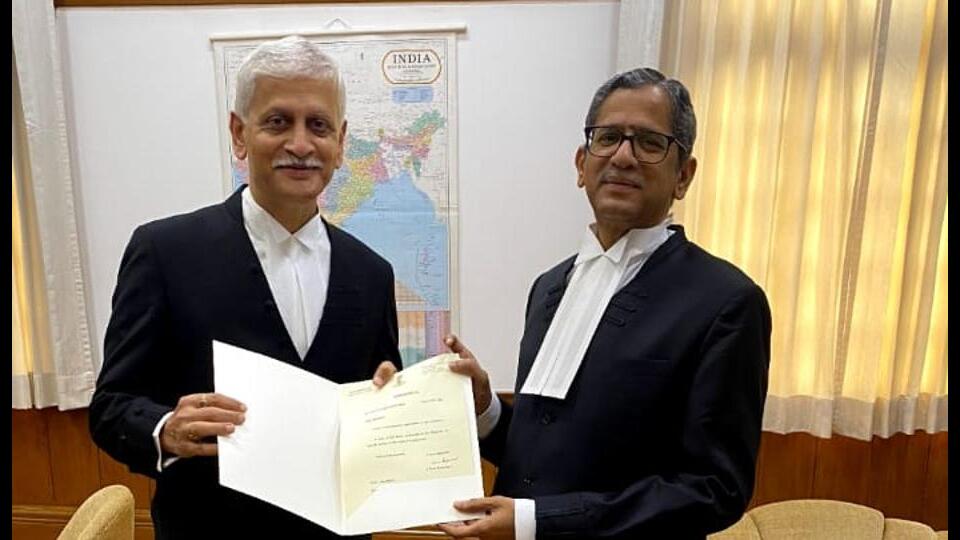
Ramana named Lalit in response to a missive from the Union law ministry on Wednesday, seeking the recommendation on the next CJI.
Lalit will have a short tenure of fewer than three months. He is only the second judge after justice SM Sikri elevated directly from the bar who will go on to become the CJI. Sikri was CJI between 1971 and 1973. Lalit was appointed a judge in the Supreme Court in August 2014.
As a matter of convention, the Union law ministry writes to the CJI a little over a month before the latter’s retirement, seeking the name of his or her successor. The incumbent then writes back, sending the recommendation to the ministry 30 days before retirement. Customarily, the senior-most judge is appointed the CJI.
In the Second Judges Case in 1993, the top court held that appointment to the office of the CJI should be of the most senior judge of the Supreme Court “considered fit to hold the office”. Subsequently, a memorandum of procedure (MoP) was framed to guide the appointment and transfers of judges in the constitutional courts.
“The Union Minister of Law and Justice would, at the appropriate time, seek the recommendation of the outgoing CJI of India for the appointment of the next CJI...After receipt of the recommendation of the CJI, the Union Minister of Law and Justice will put up the recommendation to the Prime Minister who will advise the President in the matter of appointment,” says the MoP.
This time the law ministry delayed the letter seeking Ramana’s recommendation, which in turn, delayed the process of naming Lalit as the next CJI.
This also cast a shadow on the Wednesday collegium meeting. The meeting ended in an impasse, compelling Ramana to leave it to his successor to preside over the next meeting of the collegium to take some key decisions on vacancies in the top court and the appointment of chief justices of high courts.
The Supreme Court will have 30 judges with Ramana’s retirement against a sanctioned strength of 34.