E-Paper



India seeks update from Russia on 69 Indians in Russian military
India said on Wednesday it has sought an update from Russian authorities on the whereabouts of 69 Indian nationals still serving with the Russian armed forces

 Prefer HTon Google


India said on Wednesday it has sought an update from Russian authorities on the whereabouts of 69 Indian nationals still serving with the Russian armed forces, even as it reiterated the “grave danger” of taking up offers of military jobs against the backdrop of the conflict in Ukraine.
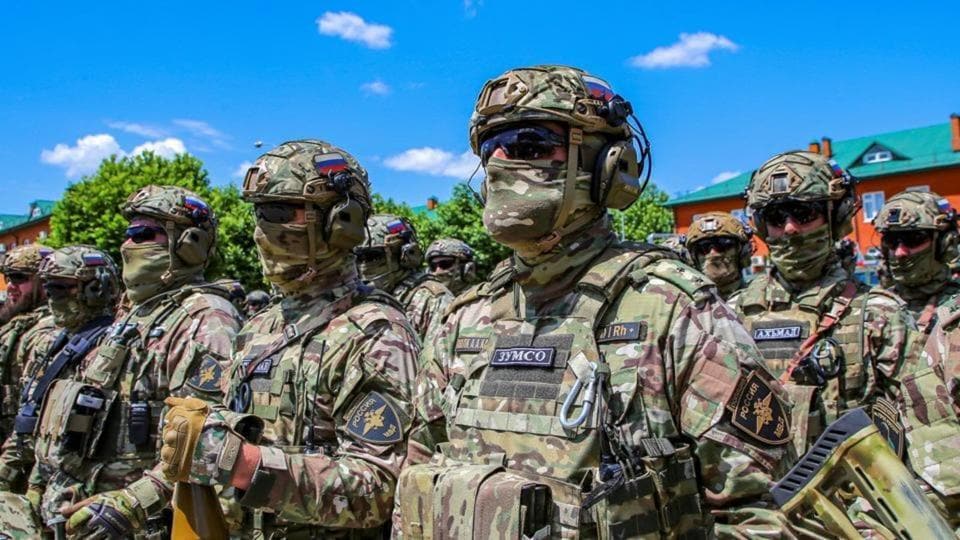
Fifty-one Indians, including men who were fraudulently lured into accepting jobs in the Russian Army, have died so far while serving on the frontlines of the conflict in Ukraine, according to information provided by authorities in the past. Reports of Indians being inducted into the Russian Army continue to emerge despite Moscow saying it has halted such recruitment.
External affairs ministry spokesperson Randhir Jaiswal told a regular media briefing that a total of 259 Indian nationals are believed to have been recruited into the Russian armed forces so far, and India has pressed Russian authorities for their release.
Deep Dive

“Of these, through our efforts, so far 139 Indian nationals have seen early discharge from the Russian Army,” Jaiswal said. “We are following up with the Russian authorities for updates on the whereabouts of 69 Indian nationals who are reportedly with the Russian Army.”
Also Read: ‘Dangerous path’: India issues advisory for citizens after reports of recruitment in Russian forces
The issue continues to be one of the rare irritants in the otherwise robust India-Russia relations, and Prime Minister Narendra Modi has personally raised the matter at several meetings with Russian President Vladimir Putin.
The figures provided by Jaiswal on Wednesday were higher than numbers provided by foreign secretary Vikram Misri after a meeting between Modi and Putin in Kyrgyzstan in August. Misri had said 227 Indians had been recruited into the Russian armed forces and 51 had been killed.
Jaiswal emphasised the “grave danger” of taking up jobs in the Russian military and said: “I once again want to urge that Indian nationals must stay away from offers being made to join the Russian Army.”
Despite India’s repeated reminders and advisories on the issue over the past two years, including the latest one dated September 30, there continue to be reports of Indian nationals joining the Russian armed forces. “This is obviously a matter of deep concern,” he said.
Jaiswal responded to a separate question on fears triggered by the death in undisclosed circumstances of a laboratory worker at a plague research institute in Russia’s Siberia region by saying that India is fully prepared to deal with any contingency related to Indian nationals living in Russia.
“On the plague situation, I think the relevant country or authorities would be best positioned to answer that,” he said. He noted that there were about 30,000-plus Indian students and around 70,000 Indian nationals in Russia and said: “As and when there is any requirement, we [will] put our best foot forward for our nationals.”
Russian media has reported that a 28-year-old woman, who worked at the Irkutsk Anti-plague Research Institute of Siberia and the Far East, died from suspected pneumonic plague last week. About 200 people who came into contact with the dead woman have been quarantined, and parts of the hospital where she died have been cordoned off.