
 E-Paper



Isro successfully launches NVS-03 satellite to strengthen India's NavIC navigation system, improve civilian access
Besides enabling navigation, the atomic clock also provides precise timekeeping.

 Prefer HTon Google


The Indian Space Research Organisation (Isro) on Friday successfully launched NVS-03, India's next-generation navigation satellite, in a major boost to the country's indigenous navigation capabilities.
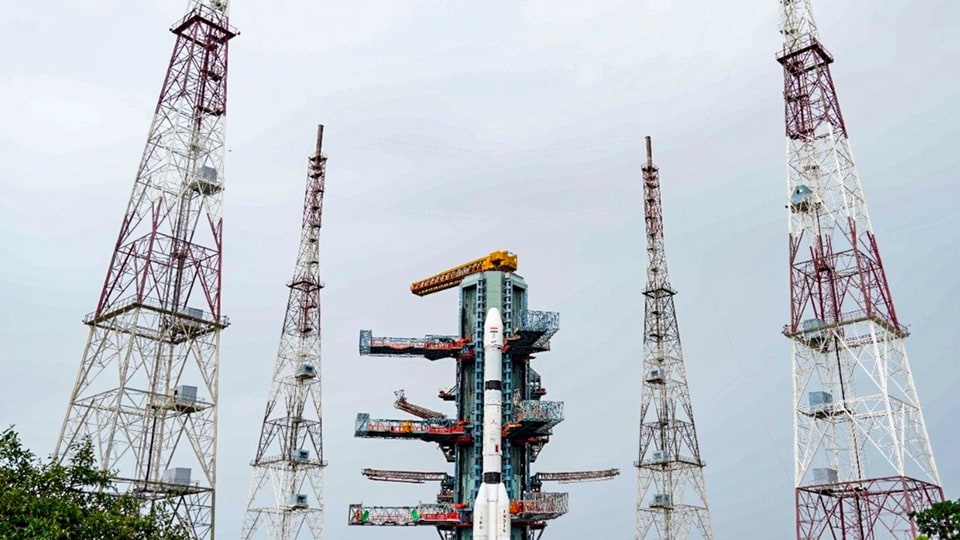
The Geosynchronous Satellite Launch Vehicle (GSLV) carrying the satellite lifted off from the second launch pad at the Satish Dhawan Space Centre (SDSC-SHAR). NVS-03 is a crucial addition to the Navigation with Indian Constellation (NavIC) system, India's answer to GPS.
Also Read | Isro NVS-03 satellite launch: The science and setbacks behind NavIC, India’s version of GPS
How NavIC's new satellite will improve civilian navigation
The satellite carries an indigenous Rubidium atomic clock developed by the Space Applications Centre and will transmit signals in the L1, L5 and S bands. The inclusion of the L1 band makes the satellite compatible with modern civilian smartphone chipsets and wearable devices.
Besides enabling navigation, the atomic clock also provides precise timekeeping. Banks, stock exchanges and the armed forces rely on accurate time, and even small differences between time sources can affect their operations. India has also been working to establish an independent ground-based timekeeping system.
In June 2025, the government said it would stop relying on GPS, which is used by US government, for maintaining Indian Standard Time (IST) and switch to five atomic clocks installed in Guwahati, Bengaluru, Ahmedabad, Faridabad and Bhubaneswar. It said the clocks had been tested and that the system would become operational soon. Banks and businesses would be required to use the system once it was operational.


