
 E-Paper



Corona Blog: It’s creepy to take a flight out of your city
Train services remain suspended till March 31st. Anecdotally at least, just about a quarter of domestic scheduled flights are functional at any point of departure times in the Delhi international airport.


Staying put might be the best chance one has against the coronavirus. Yet, if you have to inevitably travel in these catastrophic times, then you have to live through a “novel” experience, like the virus itself: it is as daunting as surreal.
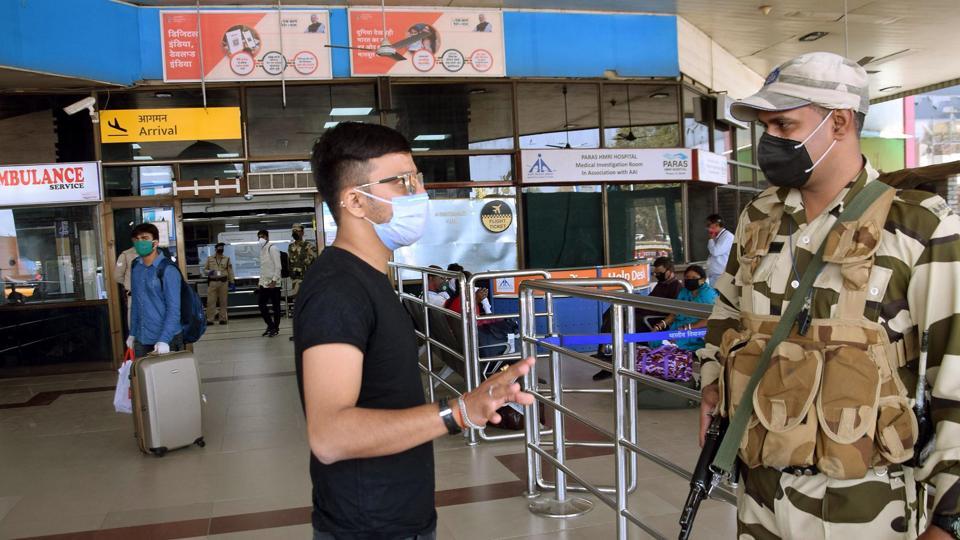
The first thing that strikes you is the realization that you are now out of the safety and comfort of your home, exposed, vulnerable and a potential meal for a creepy virus that has never been known to attack the human race before.
One had to take a flight out of New Delhi to Guwahati in the wee hours of Monday, a necessity forced by a sudden change in personal circumstances. If you have to fly out of town to virtually anywhere, out of sheer emergency, here’s how it will likely go. First, you’ll have to scramble for tickets. It will take several attempts and minutes. Travel apps will show you various options, but after you click through the steps, it will probably end in disastrous messages like these: “This flight isn’t available”. But travel you must.
Train services remain suspended till March 31st. Anecdotally at least, just about a quarter of domestic scheduled flights are functional at any point of departure times in the Delhi international airport.
Taxi bays are filled with stranded aircraft, as scores of planes are grounded. There is no nationwide ban on air travel. However, the reality is that it is becoming increasingly difficult to travel within India, or anywhere abroad. Cancelled flights were few and far between just over a month ago. Bogged down by lockdowns and skeletal staff to man operations, airlines are now lopping off tens of flights from their schedules.
To make it worse, tickets aren’t cheap. Consider this: the Delhi-Guwahati sector I flew cost me Rs 9700, up from an average fare of Rs 5000, a jump of almost 100%. As the pandemic soared, restrictions have squeezed travellers and their options.
It’s worse elsewhere. According to a Bloomberg report on Monday, Emirates, the world’s “largest long-haul airline”, will cease all operations from March 25. Every airline across the globe has curtailed flights. It’s apparently tough now for carriers to operate viably on many routes. Chopping flights is also a way to match the altered demand and supply and mop up revenues, what with fewer and fewer people travelling. India has already shut itself for international trips, inbound and outbound, from Monday.
It’s a woeful state of affairs. Unless you have a chauffeur, getting to the airport is no less troublesome. Ride-hailing service Uber suspended its services in Delhi on Monday, according to a statement from the company. This could ripple around cities, as six states are in shutdown mode.
A neighbourhood “yellow-black” taxi agreed to drop me to the airport on Monday morning. However, he had two key conditions. First, a flat Rs 1000 as fare from East Delhi, double the usual fare. Secondly, in the wake of Delhi government’s announcement of a lockdown from Monday, I had to set off for the airport at midnight for my 9 am flight. “I have to get back to my base before the curfew begins,” he said.
As we set off for the airport, 23 kms of asphalt, the national capital blurred past me like a ghost town. Brightly lit but woefully silent roads. I shuddered as the taxi zoomed past the Ram Manohar Lohia Hospital, which has tested for coronavirus patients.
The airport itself was spooky. It had far less passengers but everyone wore masks. All airport stores were shut and screened off. “We are closed because of your safety,” one notice at a store said. Restaurants were open but not serving at the time.
At the entry point, the Central Industrial Security Force guard manning the gate would not touch your phone to check the electronic ticket. Instead, he will ask you to zoom into it for him. Likewise, for your ID; you need to hold it up yourself for display. At the check-in counter too, a similar hands-off policy was in force. Passengers were encouraged to use self-check-in kiosks if possible. The airline I was flying, Vistara, insisted that those with only a cabin baggage use the self-check-in kiosk. If you sneeze or cough, co-passengers will proactively move further away from you.
Stepping into the aircraft felt as if you were heading into a virus zone. You could be on a seat that could have been occupied by someone carrying the virus. The frequently touched areas, like the food tray and hand rests, are virtually no-go areas, just as the aircraft toilet, you say to yourself. You merely uncomfortably squeeze into your seat. At the end of journey, you don’t step out of the aircraft confident, but shaken.


