
 E-Paper



Curbs on chemical used to make synthetic drug ‘meow meow’
The Indian government has added 2-Bromo-4-Methylpropiophenone to controlled substances due to its use in manufacturing mephedrone by drug cartels.

 Prefer HTon Google


New Delhi: The Centre on Wednesday issued a notification under the Narcotic Drugs and Psychotropic Substances Act, 1985 to amend the NDPS (Regulation of Controlled Substances) Order, 2013 and add the chemical 2-Bromo-4-Methylpropiophenone to its list of controlled substances.
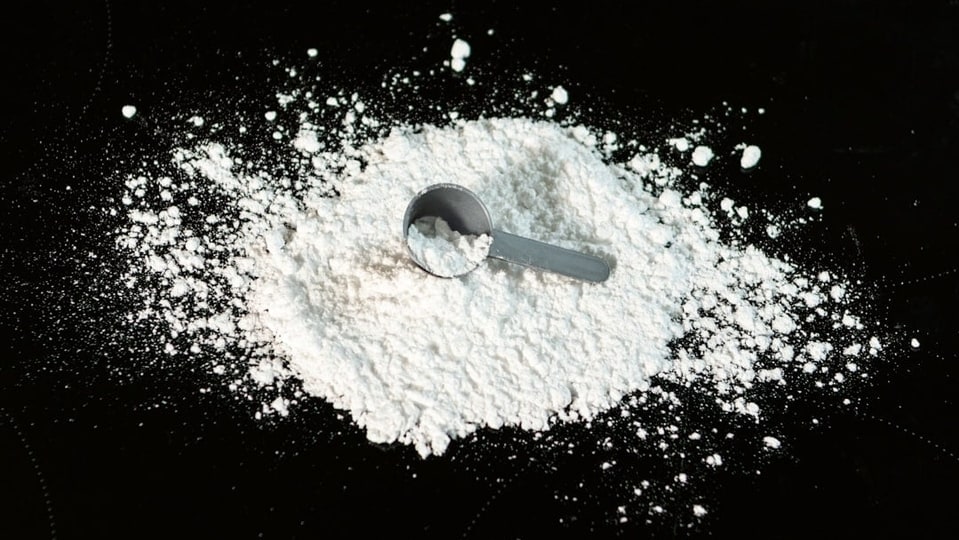
Officials aware of the matter said that the chemical 2-Bromo-4-Methylpropiophenone was added to the list because drug cartels across the country are using the precursor chemical to manufacture mephedrone—a synthetic stimulant drug also known as meow meow and drone in the market. An official aware of the matter, said that earlier this year, the agencies had also written to the government about the chemical’s rampant use in drug laboratories.
Over the last few years, police and anti-drug agencies have increasingly recovered the chemical at clandestine laboratories manufacturing mephedrone. Drug cartels running clandestine labs in different parts of the country present a new challenge for security agencies.
“The government was informed by different police forces and federal agencies about the rampant use of precursor chemical 2-Bromo-4-Methylpropiophenone by drug cartels to manufacture mephedrone. Such laboratories have mushroomed in states such as Rajasthan, Gujarat, Maharashtra, Telangana. The drug cartels were using most students with a background in chemistry to use the chemical to manufacture mephedrone through a single reaction. Mephedrone is in high demand among drug users in the countries,” an officer said, adding that the sale and manufacture of the chemical can now be monitored and done only by licensed firms.
The Ministry of Finance’s department of revenue issued the notification on March 11 making it the 8th chemical included as a controlled substance. After discovering many such clandestine laboratories, the Narcotics Control Bureau (NCB) wrote to all state police forces, last year, about the need to identify them. Last year, the NCB busted more than 18 such laboratories in different states.
The NCB in a letter to the police chiefs across the country listed some red flags such as buildings with covered or blacked-out windows and CCTV around the perimeter; strong odours of chemical like ammonia, solvents, vinegar, cat urine; unusual ventilation equipment or external ducting; unusual high electricity usage in a premises; presence of large quantities of household of industrial chemicals; discarded lab equipment, gloves, plastic containers or tubing found in garbage; complaints from locals about burning eyes, headaches or strange smells and frequent deliveries of unlabelled boxes of containers
In the most recent case, three men in Telangana were manufacturing mephedrone after sourcing the chemicals from a Hyderabad businessman with a PhD in organic chemistry, who operated a chemical supply firm. The drug cartel was run between different states such as Karnataka ,Gujarat, Telangana. Last month ,at least 300 kg of the precursor chemical was recovered from the Jhalwar police in Rajasthan while it was being sent to one such laboratory.


