
 E-Paper



Delhi records 13 deaths in biggest single-day spike; toll reaches 86
On Tuesday, 383 people recovered from the viral infection, taking the number of recoveries to 2,512 so far in the city-state. This puts Delhi’s recovery rate at almost 33%, mirroring the national average of about 32%.


With 13 deaths, Delhi recorded highest number of coronavirus disease (Covid-19) deaths in a single day on Tuesday, which took the total toll in the city state to 86.
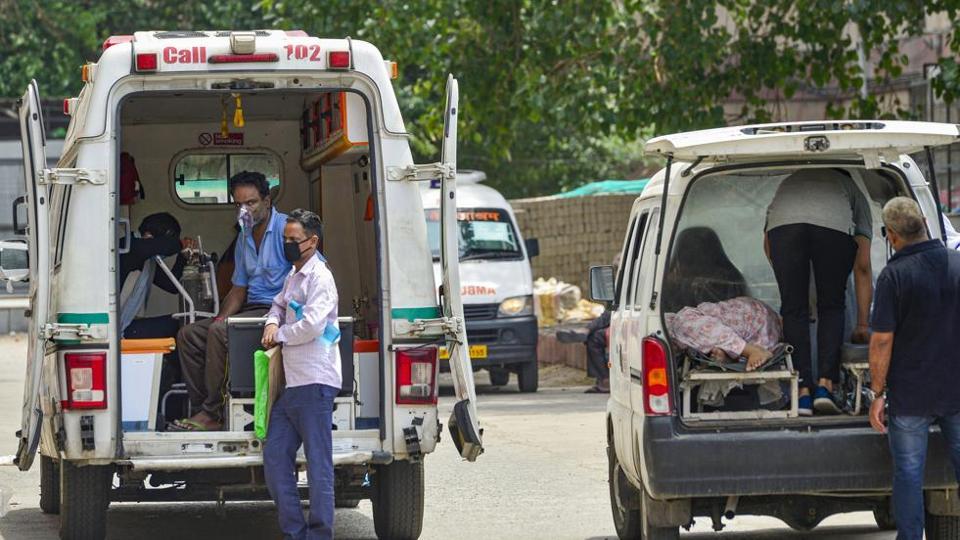
The highest single-day Covid-19 toll so far was six deaths, recorded on April 16. To be sure, not all the 13 deaths announced on Tuesday were recorded in the previous 24 hours. And it is likely that this trend could continue as Delhi reconciles its numbers with those of the hospitals, which were this week asked by the government to ensure the timely and proper reporting of all Covid-19 deaths.
The bulletin also shows that with 8,431 tests done on Tuesday, the total number of tests in the city has crossed the 100,000-mark. This puts the number of tests per million in Delhi at around 5,200, the highest in India.
On Tuesday, 383 people recovered from the viral infection, taking the number of recoveries to 2,512 so far in the city-state. This puts Delhi’s recovery rate at almost 33%, mirroring the national average of about 32%.
All of the 13 deaths recorded on Tuesday were in Lok Nayak hospital, the city’s biggest Covid-19 treatment facility, where only five deaths were recorded since March 2 when Delhi’s first Covid-19 case was reported.
These, however, were not the deaths that happened in the hospital on Tuesday, but a backlog of deaths that hadn’t been recorded in the government’s official bulletin so far. Last week, there were reports that the number of deaths recorded in the consolidated health bulletin prepared by the Delhi government did not match what doctors at these Covid-19 hospitals were saying, perceptibly due to an accounting problem.
After the discrepancy came to light, an order on Monday from Delhi’s chief secretary Vijay Dev asked all hospitals to report their deaths in a timebound manner. New standard operating procedures that were issued required all hospitals to send in their death reports, or ‘Nil’ (no deaths recorded) reports, by 5pm every day. Following this, a three-member death audit committee set up by the government would meet to review the numbers.
The death audit committee was set up by the Delhi government to examine the case sheets, death summary and other documents of the deceased before declaring Covid-19 deaths in the health bulletin.
“The central government and ICMR have issued detailed directions with regard to the identification and declaration of deaths where the underlying reason is Covid-19. As per this, every death has to be followed by a report sent by the hospital with a summary and a description of the underlying causes. Delhi Government has set up an independent death audit committee which studies these summaries as per these guidelines and declares the number of Covid deaths every day which is communicated by the health bulletin. We have now issued an order to ensure these reports are filed within 24 hours. The hospitals have told us that they were overwhelmed by the incoming cases and were not able to file paperwork and are now completing the same for all their cases. The first set of these reports were filed by LNJP which explains the increase in number of cases there. We are awaiting the same from other hospitals now,” the Delhi CM’s office said in a statement.
According to the government health bulletin for May 12, Lok Nayak hospital has recorded a total of 18 deaths (including the 13 announced Tuesday) so far. But two doctors at the hospital, who asked not to be named, suggested the number of Covid-19 infected people who have died at the hospital was over 80.
There are similar discrepancies at other hospitals too. For instance, Dr Ram Manohar Lohia hospital has recorded 68 Covid-19 deaths so far. “Of these 51 people died in the hospital during treatment for Covid-19; the other 17 were either brought dead or died within hours of admission to the hospital. The hospital has shared the reports with the authorities concerned,” said Smriti Tiwari, the hospital’s spokesperson. The Delhi government report shows 26 deaths in the hospital.
At Lady Hardinge Medical College, at least three people have died of Covid-19, according to medical director, Dr NN Mathur. The government record shows zero deaths in the hospital. The All India Institute of Medical Sciences has recorded at least 20 deaths so far, according to hospital’s medical superintendent, Dr DK Sharma. The government report shows two deaths.
Along with the 13 deaths, Delhi also reported 406 new cases of Covid-19 on Tuesday, taking the tally of cases in the city-state to 7,639. This puts the doubling rate in the city at about 11 days, lower than the 13 days recorded at the beginning of the month.
This is because of a spike in numbers in May with 200 to 400 cases being recorded every day. Delhi’s health minister attributed this to reports of pending samples coming in. “The doubling rate of the Covid-19 cases in Delhi has come down from 13 days to 11 days and the reason for this is several pending reports – in thousands -- are now coming back,” Jain said last week.
Experts say that the doubling rate is a good metric for judging the spread of an infection in the city. “The doubling rate shows how much time it takes for the number of cases to double, which indicates the spread of the disease. We have to aim to increase this doubling rate,” said Dr Jugal Kishore, head of the department of community medicine at Safdarjung hospital.
It is not just the number of cases that have gone up. The number of people in the intensive care units of the city has also more than doubled from around 50 persons at the end of April to 111 on May 12. The number of people on ventilators has gone up from just five on April 30 to 20 on May 12.
“The number of people on ventilator going up does not mean that the severity of the disease is going up. We know that around 2% to 3% of those infected will develop severe symptoms and as more cases come, more people will need ventilators. But why it has not gone up proportionally is because a person on a ventilator will not recover in just seven days and go home unlike those with mild symptoms,” said Dr Kishore.


