
 E-Paper



Demonetisation could have been better planned: Manmohan Singh speaks in Chandigarh
Speaking on the sidelines of a conference at the Centre for Research in Rural and Industrial Development (CRRID) , the economist-politician said that it “could take some more time”, when asked about the situation of cash crunch a month after the Centre’s demonetisation move.


Former prime minister Manmohan Singh said on Friday that the demonetisation of high-currency notes could have been “better planned” which would have “saved people from the inconvenience”.
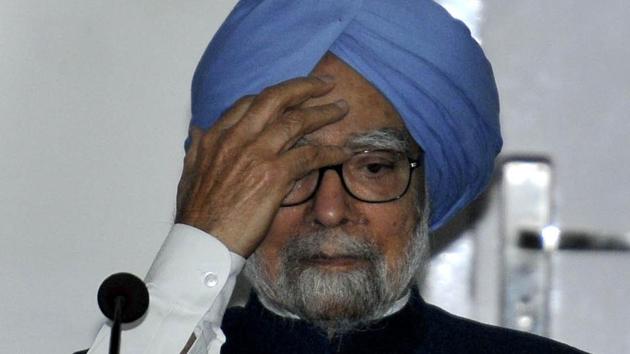
Speaking on the sidelines of a conference at the Centre for Research in Rural and Industrial Development (CRRID) , the economist-politician said that it “could take some more time”, when asked about a possible end to the cash crunch a month after the Centre’s demonetisation move.
Prodded to elaborate, he said, “Please read my today’s article.” He was referring to his piece in a national daily where he has written that demonetisation will cause grievous injury to the honest Indian who earns wages in cash. A few days ago, speaking on the issue in the Rajya Sabha, he had termed the move of the Modi government “organised loot and legalised plunder.”
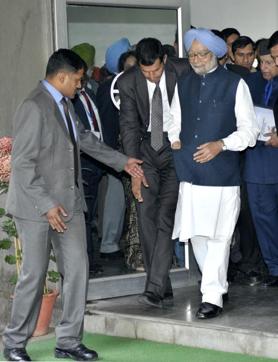
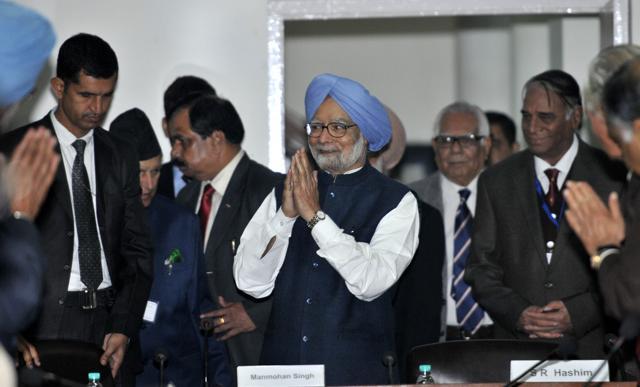
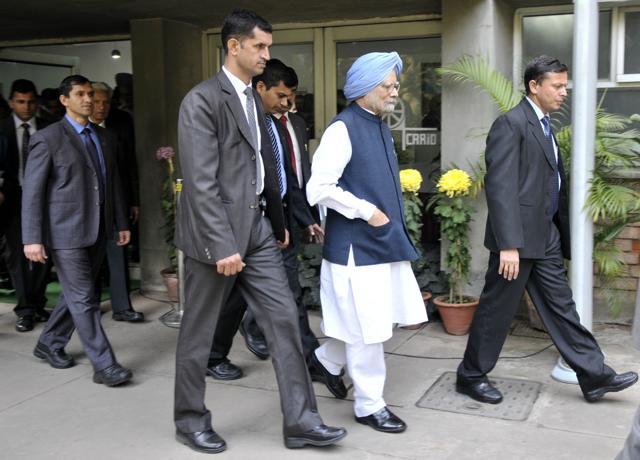
At the conference organised by the Indian Association of Social Sciences Institutions on Friday, Singh’s topic was different: ‘Education and Development: Issues, Challenges and Opportunities’.
Hitting out at government schools which “suffer from many handicaps”, he said the quality of education has fallen to “very low” level. “The teachers are put on many duties other than teaching such as census work, collection of data, taking students to the gathering addressed by leaders and high officials,” he said.
He also hit out at private universities and colleges that have come up in large number as they are “mostly for profit”. “The profit motive may adversely affect the quality because of cost-cutting imperatives,” he said.
He advised the government to invest in education. “Spending in education and health must be treated as investment in human capital formation,” he said, adding that the nation must strive to achieve a long-cherished target (since 1968) of spending 6% of the gross domestic product (GDP) on education through public funding.
He lamented the fall in education standards particularly in rural areas. He also cited studies that show that students studying in Class 5 couldn’t read text and do simple division and subtraction of Class-2 level.
Considered the architect India’s 1991-92 economic reforms, Singh said the nation had made considerable progress since then. He added, though, that the benefits of the progress were not equitably distributed.


