
 E-Paper



Denial of information grossly improper, says CIC
Digital rights advocacy group Internet Freedom Foundation sought information under the RTI Act on the consultations conducted before drafting the Personal Data Protection bill around three years ago


The Central Information Commission (CIC) has called the electronics and information technology ministry’s denial of information about comments related to the public consultation on the Personal Data Protection Bill “grossly improper”.
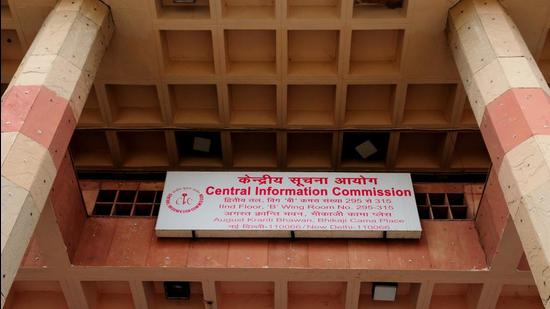
Information commissioner Vanaja Sarna, in an order dated March 25, directed the concerned officer to revisit the application. It added in case the ministry cannot justify the right grounds to withhold the information, the details should be made public.
The direction is to be complied with within 15 days from the date of receipt of the order.
Digital rights advocacy group Internet Freedom Foundation sought information under the Right To Information (RTI) Act on the consultations conducted before drafting the bill around three years ago. “We will keep persisting for transparency around the Data Bill,” the foundation tweeted on Friday.
A ministry official said they’ll look into the order.
Also Read | SC raps Centre over delayed reply to RTI plea
A joint parliamentary committee was set up in 2019 to review the bill. The panel first received an extension till the winter session last year. It then received an extension till the first week of the second half of the budget session last month.
The bill covers the cross-border transfer of data and the use of personal data by government and private companies. Provisions of the bill related to localisation of data within the country and curbs on data sharing across borders have come in for criticism from global technology companies.
In October last year, Sarna also pulled up three ministry officials for denying information regarding those involved in the process to setup the Aarogya Setu mobile application. The ministry later ordered action against the officers responsible for the evasive response over the creation of the indigenous Covid-19 contact tracing app.


