
 E-Paper



Direct flights after 14 yrs, a possible fighter jet deal: Bangladesh, Pakistan moving closer amid strain with India
Rapid rapprochement between Dhaka and Islamabad follows fall of Sheikh Hasina, considered pro-India, in August 2024 after protests led by students

 Prefer HTon Google


In what can be seen as a shift in the South Asian geopolitical landscape, Bangladesh and Pakistan have officially resumed direct air connectivity after a 14-year hiatus, marking a major thaw in a relationship that was frosty over the past few years and violently antagonistic for decades in general.
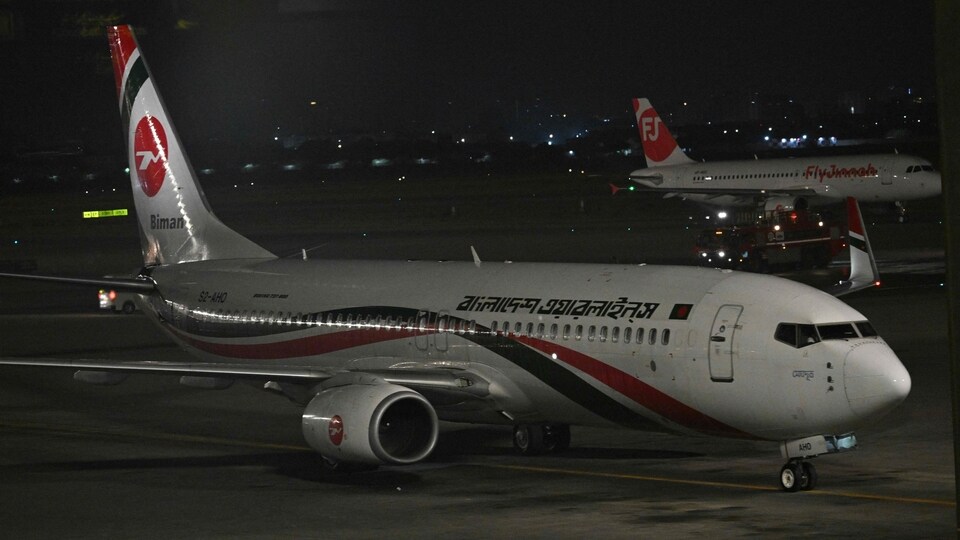
The resumption of passenger flights comes coupled with high-level talks regarding a potential multi-million defence deal.
It must be noted that the rapid rapprochement between Dhaka and Islamabad follows the fall of the Sheikh Hasina-led government, considered pro-India, in August 2024 after protests led by students. Hasina, sentenced to death by a court in Bangladesh since, is in exile in India, while an interim regime led by Nobel laureate Muhammad Yunus is prepping to hold elections next month with her party banned.
‘Water salute’ in Karachi
The Biman Bangladesh Airlines flight from Dhaka touched down at Jinnah International Airport in Karachi on Thursday, where it was greeted with a traditional water salute.
This landing ended a gap in direct operations that had persisted since 2012.
The Pakistan Airport Authority (PAA) hailed the event as the start of a "new chapter in Pakistan-Bangladesh friendship".
Bangladesh's national carrier will operate non-stop flights twice a week, on Thursdays and Saturdays.
The flight from Dhaka is scheduled to depart at 8:00 pm local time, arriving in Karachi at 11:00 pm. The return flight departs Karachi at midnight and reaches Dhaka at 4:20 am.
Initially, these operations are running under a provisional licence valid until March 30, a trial period intended to determine the long-term viability.
Fighter jet deal: JF-17s for Bangladesh?
In further closeness, Pakistan has formally offered its JF-17 Thunder fighter jets to Bangladesh, a multi-role combat aircraft jointly developed by China and Pakistan.
Talks regarding this potential procurement were held recently in Islamabad between Pakistan's Air Chief Marshal Zaheer Ahmed Baber Sidhu and his Bangladeshi counterpart, Air Chief Marshal Hasan Mahmood Khan.
According to military statements, Islamabad has also assured Dhaka of fast-tracked delivery of Super Mushshak trainer aircraft, alongside a comprehensive training and support ecosystem.
This strategic pivot comes at a time when Pakistan is expanding its defence exports, having recently finalised a $4 billion deal with the Libyan National Army and engaging in talks with Azerbaijan.
What it means for India
The warmth between the two nations, which were once together as East and West Pakistan with India in the middle, holds meaning for New Delhi.
Muhammad Yunus's interim government has actively sought to diversify its foreign policy and rebuild ties with Islamabad. The first major sign of this shift occurred in August 2024, when Pakistani foreign minister Ishaq Dar visited Dhaka, marking the first high-level engagement between the two countries in more than 10 years.
While Pakistan and Bangladesh move closer, India’s ties with both remain frosty. A point of contention remains the flight path for the new Dhaka-Karachi route. The shortest path between the two cities lies through central Indian airspace. According to reports, it remains unclear whether Biman Bangladesh Airlines has secured the necessary overflight permissions from New Delhi. For now, the Pakistan Civil Aviation Authority has approved the use of designated air corridors within Pakistani airspace for the Bangladeshi airline.
Furthermore, private Pakistani airlines, including Fly Jinnah and AirSial, have also received approval from Bangladeshi authorities to operate direct flights, suggesting that the connectivity boom is only just beginning.
For Pakistan, the potential sale of JF-17s is a chance to prove the jet's capabilities, which Islamabad claims were demonstrated during past conflicts, including when India carried out Operation Sindoor in May last year against Pak-based terror outfits.


