
 E-Paper



Disengagement in East Ladakh will lead to de-escalation of forces on LAC
India, China will stop blocking each other at the bottle-neck point in Depsang Bulge,which is the ingress route through which Raki Nullah flows into Bulge area.

 Prefer HTon Google


India and China will complete disengagement in Depsang and Demchok area of East Ladakh by Diwali but the road to de-escalation all along the 3488 kilometer Line of Actual Control (LAC) is long and will test mutual trust and security of both Indian Army and the Chinese Army.
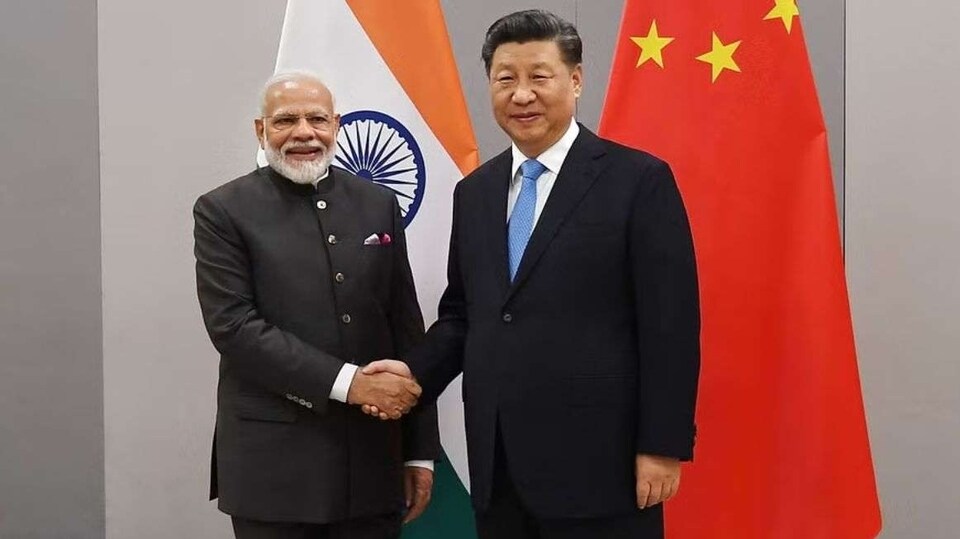
While India and China will stop blocking each other at the bottle-neck point in Depsang Bulge, which is the ingress route through which Raki Nullah flows into the Bulge area. Since 2020, neither the Chinese side has been able to patrol beyond the bottle-neck area nor has the Indian side been able to patrol upto points 10 to 13 A. Similarly, the Indian Army will be able to now patrol from Charding Pass to junction of Charding and Ningling nullah, while PLA patrols will come up from Indus River to Charding-Ningling Nullah junction.
Even though the India-China special representatives have been tasked to chart out the route to de-escalation along the LAC, the task will take a long time as India will have to virtually airlift the equipment as the area is bordered by two 5000 meter plus passes in East Ladakh area. The Chinese side, on the other hand, is flat Tibetan plateau.
Similarly, the Chinese will have to remove additional four combined armed brigades, which were moved across Sikkim and Arunachal Pradesh in the run-up of President Xi Jinping getting anointed as paramount leader of China in November 2022. Further, both the sides will also have to consider de-escalation on their respective air forces as fighters were deployed on standby by both India and China along with long range missiles, tanks, artillery guns and rocket regiments.
India-China roadmap ahead
The road map towards restoring peace and tranquility on the LAC is a tedious exercise involving not only clearance by the political leadership but also approval from the Indian Army and PLA Commanders on ground as the terrain on the Indian side is high mountains and also glaciated in the Eastern sector. Ultimately, it will be the military commanders who will chalk out the roadmap to de-escalation and relocation of the forwardly deployed forces on both sides.
It is important that the de-escalation should be based on equal and mutual security and be accident free as the 2020 escalation has created a trust deficit which will not be easy to remove on both sides. With both Indian and Chinese armies disciplined and professional, the patrolling agreement which has the sanction of apex leadership on both sides will be honored if China and Bharat are mutually sensitive to each other’s concerns.


