
 E-Paper



Dragon fruit cultivated by Maharashtra farmers exported to Dubai
Dragon fruit cultivation in India began in the '90s and now many states including Bihar, Karnataka, Kerala, Tamil Nadu, Maharashtra, Gujarat, Odisha, West Bengal, Andhra Pradesh, and the Andaman and Nicobar Islands, produce Kamalam.

 Prefer HTon Google


A consignment of Dragon fruit, which was renamed as Kamalam in India, cultivated by the farmers of Tadasar village in Maharashtra's Sangli has been exported to Dubai in what is being seen as a major boost to exotic fruit export, the ministry of commerce and industry said on Saturday. Though Dragon fruit is not a local product of India and grown mainly in Malaysia, Thailand, the Philippines, the United States and Vietnam, production of the fruit began in India in the early 1990s. Its production was limited to home gardens initially but then farmers across various states took up its production increasing the popularity of the fruit.
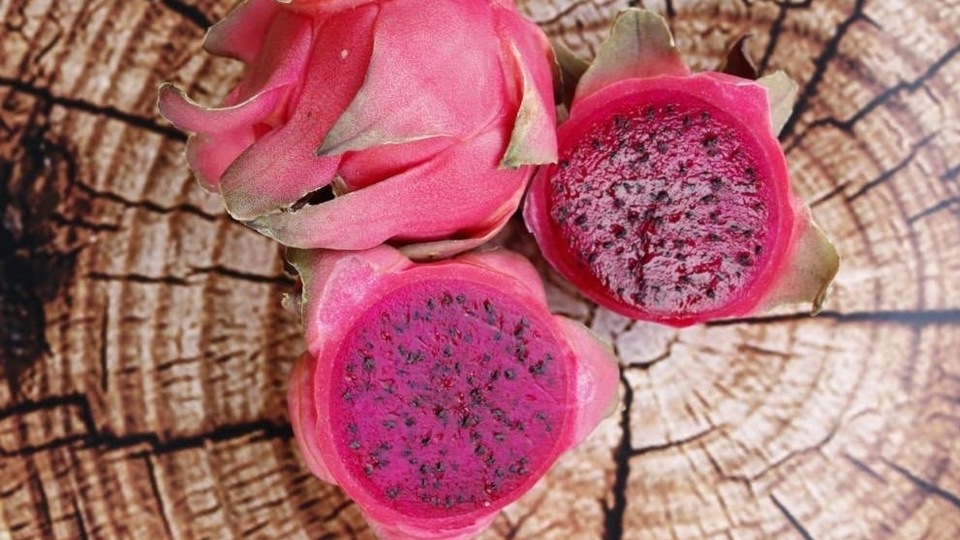
States which grow Dragon fruit include Karnataka, Kerala, Tamil Nadu, Maharashtra, Gujarat, Odisha, West Bengal, Andhra Pradesh, and the Andaman and Nicobar Islands. "The cultivation requires less water and can be grown in various kinds of soils. There are three main varieties of dragon fruit: white flesh with pink skin, red flesh with pink skin, and white flesh with yellow skin," the ministry said.
In January, Gujarat chief minister Vijay Rupani said the state government has decided to rename the fruit as the word 'dragon' has a Chinese association. Since the fruit looks like the lotus flower, it was named Kamalam. Gujarat also applied for a patent to change the name, it was reported. The fruit is rich in fibre, vitamins, minerals and antioxidants and is also known for repairing cell damage caused by oxidative stress.
In his Mann ki Baat in July 2020, PM Modi had congratulated the farmers of Kutch for the cultivation of the dragon fruit in his message for India's self-reliance.


