
 E-Paper



Ecostani: Why the landmark RTI act is moribund and who is to blame
The SC has asked states to file status reports on the information commissions as a petition has claimed that over 50% posts of commissioners were lying vacant

 Prefer HTon Google


The only law in India that authorises people to question those in power, the Right To Information (RTI) Act, has been weakened in several states including those ruled by the Congress, the party that introduced the landmark transparency law in 2005.
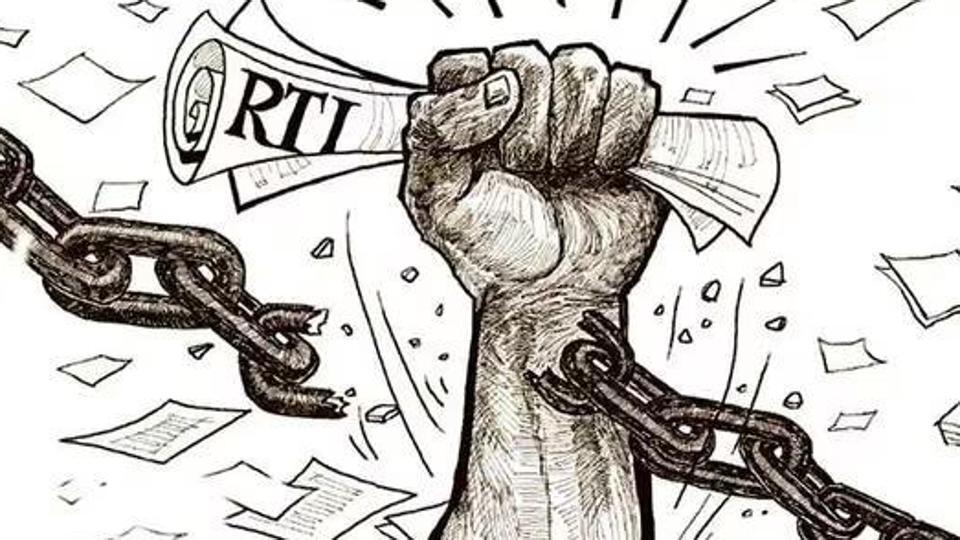
In many states, state information commissions (SICs) have been defunct for several years as the information commissioners, who hear the RTI appeals, have not been appointed. Some states don’t even have the Chief Information Commissioner (CIC) who runs the state information commission.
The information commissioners hear the appeals filed by RTI applications on denial or incomplete information provided by government departments. The absence of adequate number of information commissioners means that the people cannot exercise their right to be heard quickly when their statutory and constitutional rights to seek information is denied.
According to the information provided to the Supreme Court recently, SICs are defunct in Jharkhand, Telangana and Tripura as no fresh appointments have been made.
In case of Jharkhand, the state government has said that the selection committee meeting – to decide the SIC – cannot be convened in the absence of the “requisite quorum because there’s no leader of opposition in the state. The argument is thin because the state government always has the option of calling the leader of the main opposition party for the meeting, a practice which has not been followed. Hence, the state did not appoint information commissioners and allowed the information commission to remain idle after incumbent commissioners retired. Jharkhand is ruled by INDIA bloc in which Jharkhand Mukti Morcha and Congress are the main constituents.
In Telangana, where the Congress is the ruling party, the information commission has not been functional for over a year. The Telangana government told the Supreme Court that the selection process was started in June 2024 and the appointments will be made at the earliest. The court has sought status report on this. Similarly, Tripura also told the court that the selection process is ongoing.
In the Maharashtra SIC, seven posts of commissioners are lying vacant and the backlog of appeals and complaints has crossed 1 lakh. In Karnataka state information commission, eight posts of commissioners are vacant and the backlog is more than 50,000.
Bihar and Chhattisgarh information commissions are functioning with only three and two commissioners respectively even though more than 25,000 cases are pending in both commissions.
The Supreme Court asked all the state governments to file status reports on the information commissions as lawyer for the petitioners Prashant Bhushan claimed that over 50% posts of commissioners were lying vacant.
The Supreme Court in a 2019 judgment gave detailed directions to ensure timely and transparent appointments to the information commission. The court had observed that proper functioning of information commissions with adequate number of commissioners is key to ensuring effective implementation of the RTI Act. The status of the CIC shows that the 2019 ruling of the SC was not being implemented. The court was informed that only two information commissioners at the CIC were working and eight posts are lying vacant. As a result, around 22,000 appeals are pending with the CIC.
The CIC not only hears all appeals against Central government offices and its affiliates, it also coordinates with state information commissions on awareness and improving effectiveness of RTI.
The above facts clearly shows that how the transparency law has been systematically whittled down the governments who don’t want to be questioned by individuals once they come to power. Not appointing the information commissioners results in citizens not getting information quickly. An appeal takes at least three years to be heard now from less than three months between 2006 and 2010.
Knowing well that there are not enough people to hear the appeals, information officers in government offices, in many cases, do not provide complete information sought, pushing the applicants to file appeal. Increasingly, applicants feel dejected knowing well that getting information from the information commission will be a long-drawn process. Various studies show decline in appeals being filed even though the number of RTIs being filed are almost same for past five to seven years.
In case they do receive the information sought, years after the application was filed, the information could well be redundant by then. This is the primary reason for why many do not file RTI appeals anymore.
Those working in the field of transparency and information has urged state governments to fill up the vacant posts in information commissions and create a new RTI awareness drive. If RTI Act withers, it will be a loss for the citizens of the country, not for those in power.


