E-Paper



Expert groups to explore adoption of common chargers
The shift will not only simplify things for consumers, but also cut down on massive amounts of e-waste generated in the country, a senior official of the consumer affairs ministry said after a meeting in this regard on Wednesday.

 Prefer HTon Google


India plans a shift to two standard chargers across mobile phone brands and portable-electronic devices for which an expert committee will be set up soon, the consumer affairs ministry decided on Wednesday after holding its first meeting in this regard.
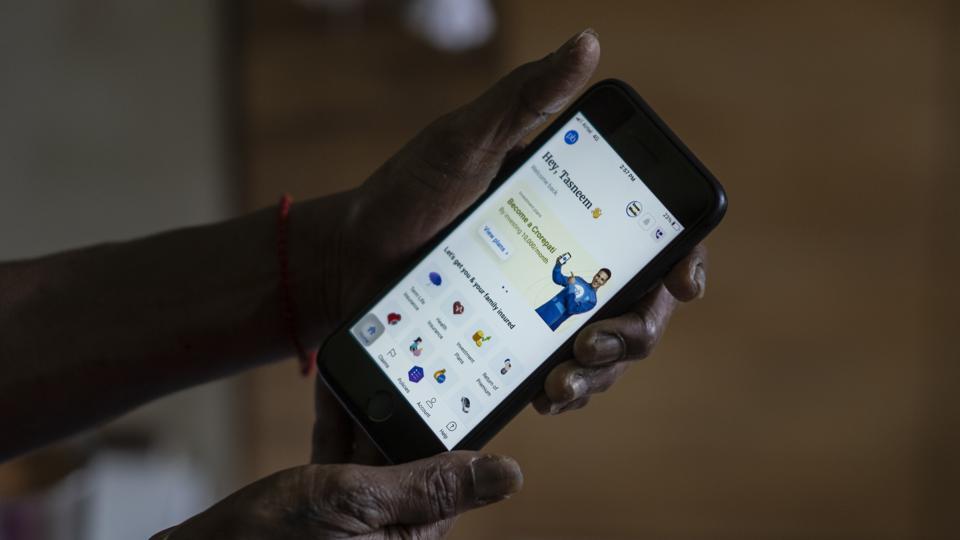
The shift will not only simplify things for consumers, but also cut down on massive amounts of e-waste generated in the country, a senior official said after the meeting.
Many advanced economies are already moving toward standard charging devices. The European Union (EU) has ordered the USB-C port as standard for all devices by mid-2024, including Apple’s iPhone, which at present uses its own standard.
One of India’s concerns is that once EU makes the shift, obsolete phones and equipment could be dumped in the market.
“Extensive consultations will be held before a policy is finalised. Today’s meeting was more an exploratory discussion to listen to all stakeholders on all connected issues,” consumer affairs secretary Rohit Kumar Singh told HT.
The government is of the view that the country should move to two types of standard charging systems: one for smart phones and other portable devices such as laptops and tablets, and another for cheaper feature phones, which have a large market share, according to a recent letter written by the consumer affairs secretary to industry representatives inviting them for consultations.
With a policy for common universal chargers, officials hope, phone-makers need not ship chargers in the box since consumers will already have the requisite peripherals and accessories, saving costs and cutting down e-waste.
The expert panel will be notified this month and it will have sub-panels to deal with connected issues.
India is estimated to have generated five million tonnes of e-waste in 2021, ranking only behind after China and the US, according to an ASSOCHAM-EY report, titled ‘Electronic Waste Management in India’.
“I believe this will be a great step. It may feel like a small change, but over the long-term, this will bring in a mammoth impact as it will increase the usability and life span of the chargers — something that we believe in strongly. Let’s hope that with these steps we’ll be able to put a check on the e-waste which is multiplying exponentially,” said Aksh Chauhan, COO of pre-owned gadget marketplace Cashify.
“Globally, the shift is pivoted towards USB-C ports, so it would make sense for us to adopt it too. One important point is that the rate of technological obsolescence in the electronic industry is very high and what is in today is out tomorrow,” said Ajay Garg of Electronic Industries Association of India.
The Centre will hold further discussions with stakeholders, such as manufacturers, technology institutions, industry associations and OEMs (original equipment manufacturers) to understand what a shift to universal charging devices will entail, its costs and concerns of the industry, the official cited above said.
Almost all feature phones still use micro-USB, while most smartphone models have shifted to the C-type charging technology except a few models at the entry level which make up less than 10% of smartphone shipments, according to Navkendar Singh, associate vice-president, devices research at IDC India.
India is one of the fastest-growing digital consumers’ markets in the world, representing 700 million internet users while preparing to connect another 500 million, according to the Internet and Mobile Association of India.
“With each passing year, the number of smart devices owned by consumers has been on the rise, necessitating the need for periodic changing. More importantly, such a move (to common chargers) will fuel sustainability and minimize e-waste,” said Prabhu Ram, head of Industry Intelligence Group at CyberMedia Research.