
 E-Paper



Cereal stocks swell, wheat procurement crosses 24MT
The Food Corporation of India has purchased over 24 million tonnes of wheat, surpassing the cereal stock threshold necessary for India's food security requirements. The government will continue to buy wheat in an open-ended manner, with an estimated procurement of 34 million tonnes this year. The combined stock position of wheat and rice in state-owned granaries is now well above 55 million tonnes, putting the country in a comfortable position.

 Prefer HTon Google


New Delhi:
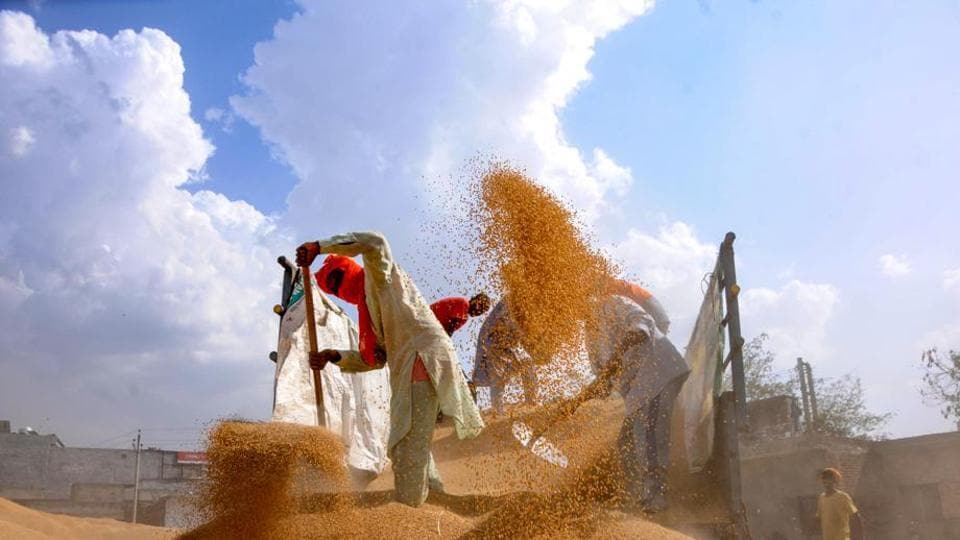
The Food Corporation of India, the Centre’s main grain-handling arm, has bought over 24 million tonne of wheat as on date, crossing a threshold of cereal stocks that puts India in an adequate zone to meet food security requirements, even as procurement continues, according to official data.
In 2022, the Centre’s wheat procurement had plunged to 18 million tonne, less than half of what it had estimated to stockpile, as export and output loss due to a prolonged heatwave stoked shortages.
Procurement refers to the Union government’s purchases of food grains at floor prices, which are then distributed to nearly 800 million beneficiaries under the National Food Security Act, 2013. The government also relies on procured stocks to create a cereal buffer, or emergency reserves.
The country’s food stocks appear to be rising to adequate levels after a drop last year. India had banned wheat export in May 2022, as prices picked pace. It also imposed curbs on overseas shipments of rice.
The government would continue to buy wheat in an open-ended manner, although the estimated procurement has been pegged at 34 million tonne this year, an official said, declining to be named.
Progressive procurement from Punjab stood at slightly over 11 million tonne, the highest among states, followed by 6.2 million tonne from Madhya Pradesh and 6 million tonne from Haryana, among major wheat-growing states, according to data seen by HT.
The combined stock position of wheat and rice in state-owned granaries is now well above 55 million tonne, which puts the country in a comfortable position, the data showed.
Although rice isn’t a major winter-sown crop and is mostly grown in summer, its procurement is on track. The government had procured 35.4 million tonne of rice till April 26 (kharif or summer-sown crop year 2022-23) and is on course to buy an additional 14 million tonne, a second official said, seeking anonymity. Also, 10.6 million tonne of winter-sown rice is also due to be purchased by the government.
In a rerun of extreme weather, a long spell of unseasonal rain and hail in March pounded wheat belts in Uttar Pradesh, Punjab, Haryana, Rajasthan and Madhya Pradesh, soiling grains and impacting quality.
In a relief to farmers, the Union government allowed states to relax quality standards of the grain eligible for procurement, with minor cuts in prices farmers receive. All wheat-growing states announced they would make up for the price deficit from their own coffers.


