E-Paper



Food regulator proposes rating restaurants, eateries to ensure quality
The FSSAI is keen to rate the food business operators through ‘Hygiene Variety Factors’ and will allocate star ratings to restaurants and eating places


The country’s top food regulator, Food Safety and Standards Authority of India (FSSAI), has proposed that businesses which deal with food should be rated on factors such as hygiene and safety to ensure the trust of consumers.
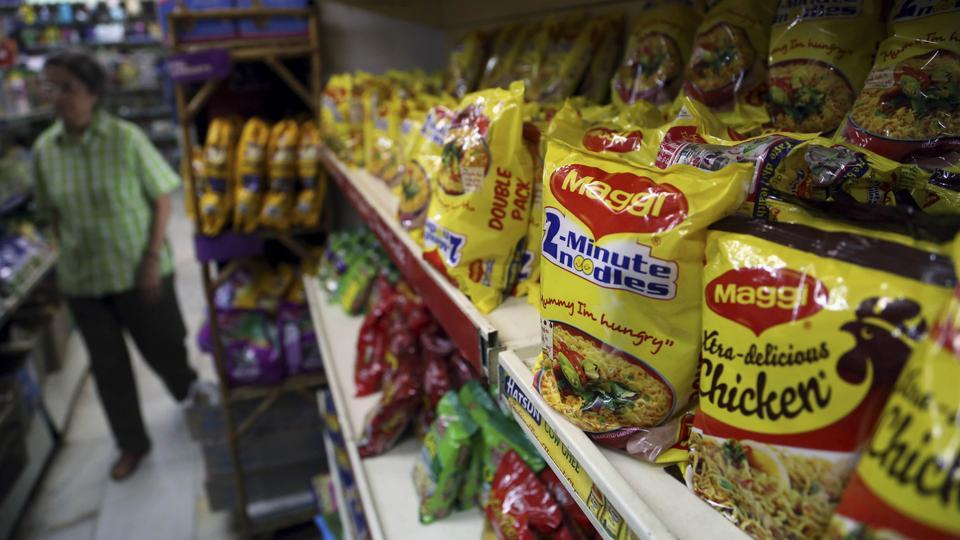
“The FSSAI is keen to rate the food business operators through ‘Hygiene Variety Factors’ and will allocate star ratings to restaurants and eating places out of six on the basis of certain factors including hygiene awareness, safety processes etc,” the regulator’s chief executive Pawan Agarwal said on Tuesday.
“There is a need for the intended engagements from the industry side to protect and ensure the trust of consumers in the food that they intake and display of the food licences in the hotel/restaurant premises is an ideal way to go forward,” Agarwal said during a FICCI event in Delhi.
The Food Safety and Standards Act 2006 regulates, manufacture, storage, distribution, sale and import of food to promote health and safety of consumers.
It governs people involved in any food business, whether manufacturing or selling and food business operators. These include shops, stalls, hotels, restaurants, airline services and food canteens, places or vehicles where any article of food is sold or manufactured or stored for sale,
“The FSSAI license is mandatory for the sales of food product to ensure the health and safety of the consumers, and we want to simplify the compliance processes with active industry support and consultation,” said Agarwal.
The food regulator recently started the concept of ‘food safety supervisors’ in all food businesses to ensure quality items reach consumers. It is now mandatory for all caterers, manufacturers, companies transporting food items and retail outlets with 25 or more people handling food to have at least one such safety supervisor.
“The supervisor should be trained under the Food Safety Training and Certification Programme (FoSTaC) designed by FSSAI. The supervisors would be responsible for ensuring that food quality is maintained,” said Agarwal.