
 E-Paper



HT Exclusive: Galwan river bridge that China tried to stop in Ladakh is complete, says official
India China stand-off: The Galwan Valley bridge gives India a major advantage in terms of access and military mobilisation

 Prefer HTon Google


Army engineers have completed a 60-metre bridge over Galwan river in eastern Ladakh that would consolidate India’s hold of the sensitive sector by allowing Indian infantry to move across the cold mountain river and also protect the 255 km strategic road from Darbuk to Daulat Beg Oldie, the last military post just south of the Karakoram Pass, top officials told Hindustan Times. The bridge was built by the formation engineers despite the PLA showing hostile moves in the area in an effort to force Indian Army to abandon the project.
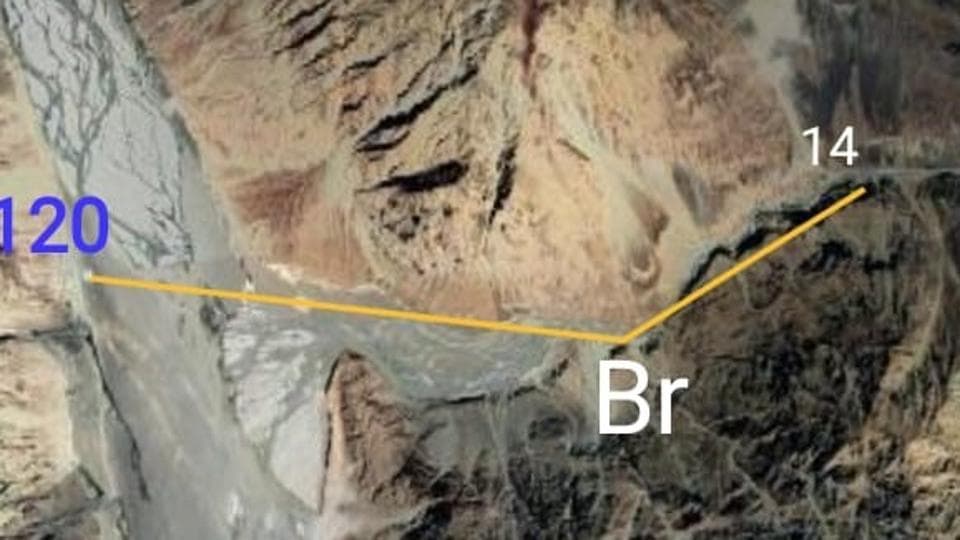
The construction of the strategic bridge was seen as one of the triggers for the aggressive maneuvers by China’s People’s Liberation Army in eastern Ladakh that led to the stand-off between the two countries before Western Theatre Command of PLA made an “exaggerated” claim to the entire Galwan river Valley.
A senior government official said the bridge was completed on Thursday, signalling that the border infrastructure upgrade projects being executed by the formation engineers and the Border Roads Organisation will continue despite the PLA’s attempts to stall them.
The four-span bridge is located three kilometres east of the Shyok river-Galwan river confluence with the contested Patrolling Point 14 a further 2 km east of the Bailey bridge. Patrolling point 14, which was the site of the June 15 fisticuffs, is close to the Y-junction where the Galwan rivulet joins the main river. An Indian army base camp, called ‘120 km camp’ is on the confluence of the two rivers and next to the DSDBO road.
“We did not pause work on this bridge through the stand-off and kept working despite the violent face-off on June 15,” a senior army officer said.
Also Watch | Explained: Amid Ladakh clash, India to cancel Chinese firm’s deal for poor work
The Chinese tall claim of holding the entire Galwan river valley is an attempt to reduce the Indian claim line to the Shyok river. If this happens, then the Chinese can overrun the DSDBO road in times of hostility and cut the road to Dault Beg Oldie. This will allow them to open another road to Pakistan via Murgo, the last Indian village before DBO.
The Bailey bridge built on concrete pillars gives India a major advantage in terms of access and military mobilisation and is considered vital to protection of indian strategic interests. With Indian Army vehicles now being able to cross the Galvan River, the troops now have other military options available against the aggressive PLA in case of worst case scenario. The bridge replaces a footbridge on the Galwan River.


