E-Paper



Gennova pharma denies violation of clinical trial protocol on mRNA Covid jabs
The Gennova Biopharmaceuticals spokesperson said that the “product development using innovative technologies like mRNA, a fourth-generation vaccine platform stable at 2-8 degrees Celsius, is a challenging journey during Covid pandemic times”.

 Prefer HTon Google


Gennova Biopharmaceuticals — the maker of India’s first mRNA vaccine candidate — has debunked the allegations of violation of clinical trial protocol while testing its anti-coronavirus disease vaccine, saying the company was in regular touch with the national drugs regulator.
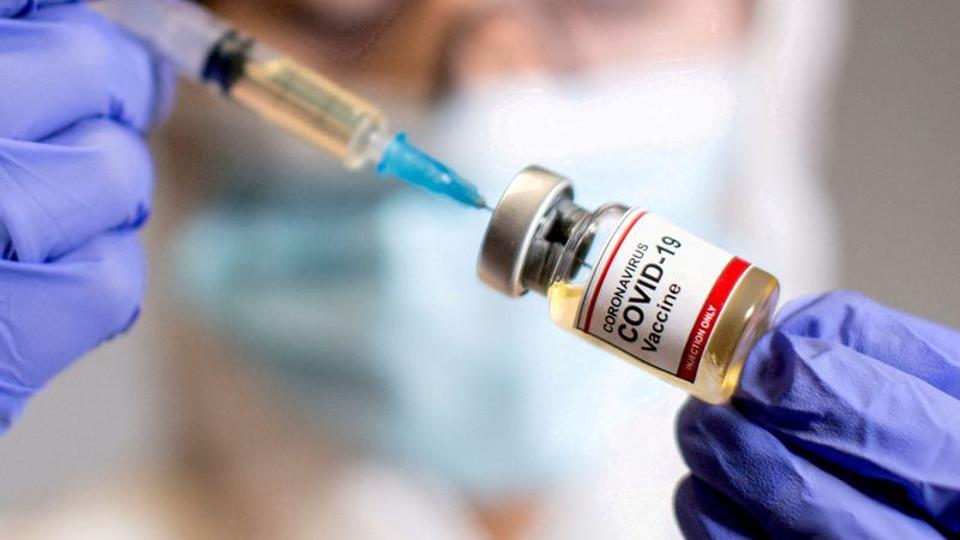
“Regulators continuously review the data during various stages starting from pre-clinical studies to Phase III trials and seeking clarifications is a standard process,” spokesperson of the Pune-based pharma company said in a statement. “Gennova is in communications with the regulatory agency and submitting all necessary data and information required for the product approval.”
The spokesperson added that the “product development using innovative technologies like mRNA, a fourth-generation vaccine platform stable at 2-8 degrees Celsius, is a challenging journey during pandemic times”.
The company applied for emergency use authorisation for its vaccine — GEMCOVAC-19 — to the drugs regulator in March this year.
The mRNA vaccines do not use the conventional model to immunise, rather they carry molecular instructions to the host body to make the protein through a synthetic RNA of the virus. The host body then produces the viral protein that is recognised by the immune system, thereby making the body ready to fight against the disease.
In standard viral vaccines, either inactivated (or attenuated) virus or viral proteins known to cause infection are used to immunise hosts.
A government document on ‘legal position with respect to amendment to protocol’ stated that the firm “did not inform in time either after phase II trial or before submission of the marketing authorisation application, however, made major changes in approved protocol and not complied with the following requirements of NDCT Rules, 2019”.
Citing third schedule under para one (clinical trial conduct) of the new drugs and clinical trials rules, the document stated that “no deviations from or changes to the protocol should be implemented without prior written approval of the ethics committee and Central Licencing Authority except when it is necessary to eliminate immediate hazards to the trial subject or when change involves only logistic or administrative or minor aspects of the trial”.
“All such exceptions must be immediately notified to the ethics committee as well as to the Central Licencing Authority… Administrative or logistic changes or minor amendments in the protocol should be notified to the Central Licencing Authority within 30 days,” stated the document, a copy of which HT has seen.
The document added: “Clinical trial should be conducted in accordance with the principles as specified in Third Schedule. Adherence to the clinical trial protocol is essential and if amendment of the protocol becomes necessary the rationale for the amendment shall be provided in the form of a protocol amendment. Serious adverse events shall be reported during clinical trial in accordance with these rules.”
“Protocol is the soul of a clinical trial; one cannot make changes casually to it,” said CM Gulhati, editor, Monthly Index of Medical Specialties. “As per law, a party needs to not just submit the changes to the drugs controller general of India but also seek a fresh approval for the changes proposed, only then are the results accepted.”
The company began phase I trial of the first homegrown messenger-RNA (mRNA) technology based Covid-19 vaccine candidate, GEMCOVAC-19, in April last year when it started recruiting participants.
In August last year, the Union ministry of science and technology said the vaccine candidate was found safe in the interim phase I clinical trial results, and the national drugs regulator granted approval to Gennova Biopharmaceuticals to begin phase II/III trials.
In June 2020, the vaccine development programme was partly funded by DBT under Ind-Coalition for Epidemic Preparedness Innovations (Ind-CEPI), and later on DBT further supported it under the Mission COVID Suraksha- the Indian COVID-19 Vaccine Development Mission, implemented by BIRAC.