
 E-Paper



Goa institute to document journey of cotton, from field to clothes
A team of researchers has been visiting textile hubs across the country including Tirupur and Coimbatore to interact with workers in spinning mills, textile manufacturers, dying experts and other workers


PANAJI: A researcher from the Goa Institute of Management along with those at the University of Leeds has set out to document the journey of cotton clothes, right from cotton fields in India to the shops in the United Kingdom.
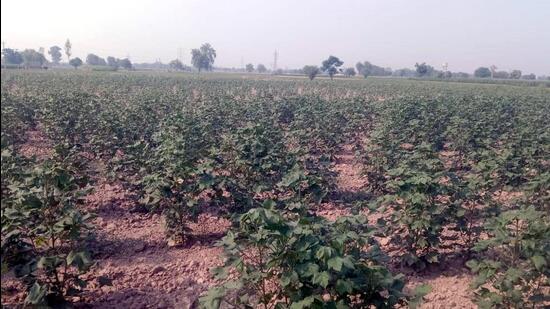
The aim of the project, titled ‘Cotton’s Hidden Voices: Stories from the makers of your clothes, was to make consumers more aware of the clothing they buy and help the farmers and workers in the cotton industry understand the kind of buyers their products reach, said Dr Divya Singhal at the Goa Institute of Management.
“We are involved in documenting the journey made by clothes manufactured in India, especially in the state of Tamil Nadu and its complexity using the voices of workers in the supply chain. Through collaboration with workers in India, it will create visual, audio, written and digital content that brings their hidden voices to stakeholders and buyers in the UK,” Singhal said.
Singhal, along with a team, has been visiting textile hubs across the country including Tirupur and Coimbatore to interact with workers in spinning mills, textile manufacturers, dying experts and other workers.
“It is important that we document and help buyers understand where exactly the clothes and other products they buy come from and what goes into making them available to them. It will help buyers make more informed choices,” Singhal added.
The UK Modern Slavery Act, 2015 seeks to hold the fashion industry accountable for the conditions and treatment of workers from across the global supply chain.
The law contains provisions that require businesses to publish an annual statement if they have an annual turnover above a threshold confirming the steps taken to ensure that slavery and human trafficking aren’t taking place in the business (or in any supply chain) or declare that no steps to confirm the existence of slavery or trafficking have been taken.
The Goa Institute of Management was earlier involved in documenting the impact of Covid-19 supply chains.


