E-Paper



Green watchdog dissatisfied at efforts to save Deepor Beel wetlands in Assam
Deepor Beel houses nearly 160 species of migratory and resident birds including many species of vultures and wild elephants, monkeys, deer, jungle cats and other wild animals from nearby Rani Reserve Forest and other forested areas frequently visit the site.

 Prefer HTon Google


Guwahati: The National Green Tribunal (NGT) has expressed dissatisfaction over the slow progress of waste management at Deepor Beel, a Ramsar wetland on the banks of Brahmaputra near Guwahati.
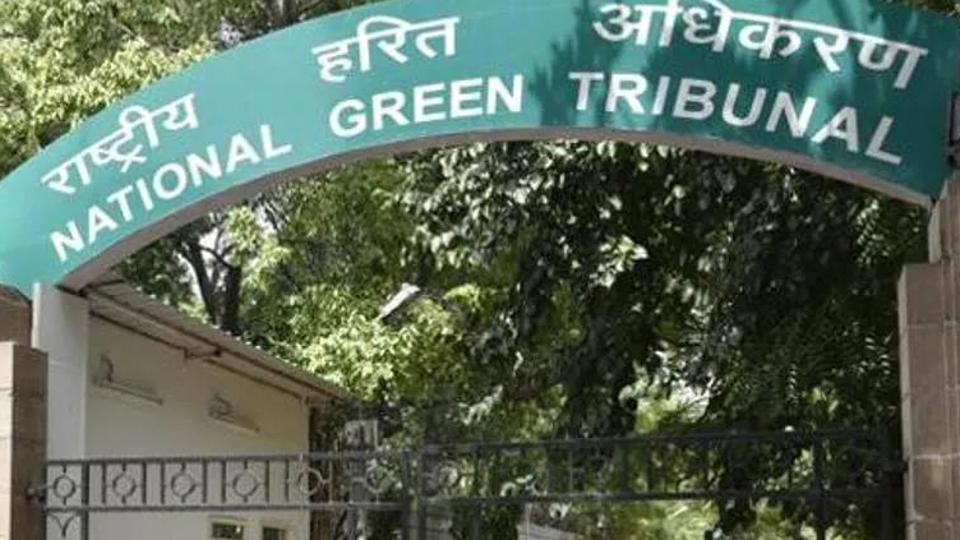
The NGT made the observation on April 28 while disposing an eight-year-old application filed by environment activist Rohit Choudhury seeking control on flow of effluents into the wetland spread over 40-sq-km.
“It is seen that solid waste is not scientifically managed nor legacy waste has been remediated. Capacity of proposed integrated waste management plant has not been specified,” the NGT order read.
“There is also no water quality monitoring programme of the wetland. In spite of monitoring by the tribunal for a long period, no satisfactory progress has taken place so far,” it added.
The present application was filed in 2014 against damage to Deepor Beel due to violations of Municipal Solid Waste (Management and Handling) Rules, 2000 (now SWM Rules, 2016) and Wetland (Conservation and Management) Rules, 2010 (now Wetland Rules 2017).
Deepor Beel houses nearly 160 species of migratory and resident birds including many species of vultures and wild elephants, monkeys, deer, jungle cats and other wild animals from nearby Rani Reserve Forest and other forested areas frequently visit the site.
In his application, Choudhury noted that due to dumping of waste in the wetland there was large scale death of fishes in 2013. Discharge of untreated waste, presence of brick kilns nearby and commercial exploitation of the area were also highlighted.
In 2018, NGT constituted a six-member committee headed by Assam chief secretary and comprising senior railway and forest officials to identify movement of elephants to the wetland, construction of under-pass or over bridge on the railway track going through the wetland to allow unhindered movement of elephants and other animals etc.
In August last year, the Union environment ministry declared the area around Deepor Beel as an eco-sensitive zone and following directions from the tribunal, steps were taken to build an integrated solid waste management facility.
The Northeast Frontier Railways (NFR) also initiated steps to construct multiple underpasses for free passage of elephants along the railway track. Steps were also taken to close the dumping site in Deepor Beel and clear the waste accumulated over years.
In its affidavit filed earlier this year, the Guwahati Municipal Corporation (GMC) informed that dumping of solid waste in Deepor Beel has been stopped from June, 2021 and treatment of previously accumulated waste started from January last year. But a solid waste processing plant is yet to be set up.
“Needless to say that the wetland has to be protected as per mandate of the Wetland Rules. Waste is to be handled as per statutory rules,” NGT stated while disposing the application.