E-Paper



Health ministry sets up 24x7 control room; Nadda chairs high-level review meeting
During the meeting, Union health minister JP Nadda was briefed on the operational status of all hospitals and health facilities in India.


The Union ministry of health and family welfare has set up a 24x7 command-and-control room to ensure seamless coordination between the Centre and states on medical emergency preparedness amid the ensuing India-Pakistan border conflict, people familiar with the matter said on Friday.
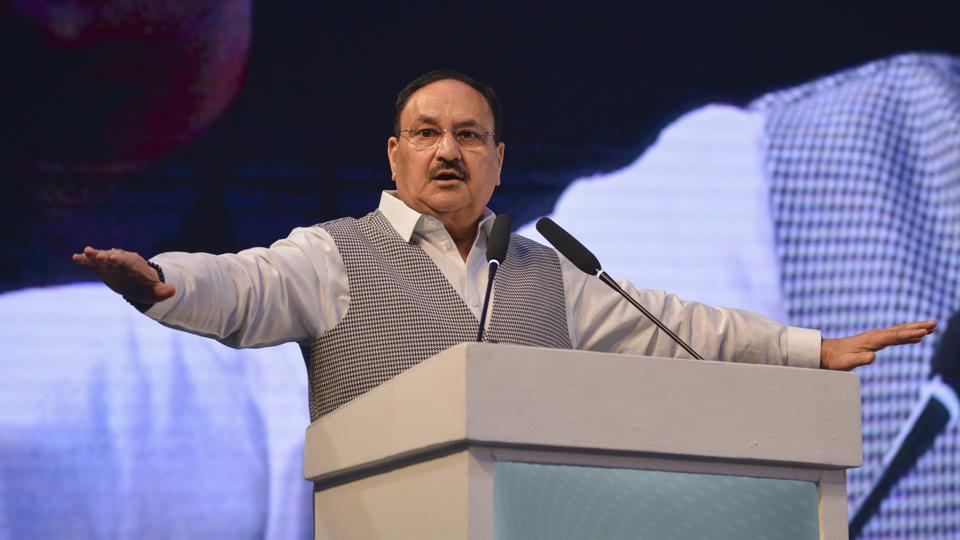
The command-and-control room was established on the directions of Union health minister JP Nadda after he chaired a review meeting with health secretary Punya Salila Srivastava and other senior ministry officials.
“In situations like the one that the country is currently facing, it is important to have clear communication between supervising authorities and executing authorities. Since states are the executing authority in matters of health, this command-and-control centre will be beneficial,” a senior government official said, requesting anonymity.
The officials updated the health minister regarding hospital preparedness, including details on the availability of essential medicines and medical supplies, adequate infrastructure and fire safety measures.
Nadda was also briefed on the operational status of all hospitals and health facilities in India, with particular emphasis on the country’s monitoring mechanisms.
Earlier on Thursday and Wednesday, Srivastava conducted meetings with hospitals and other stakeholders across the country regarding medical emergency preparedness.
The meetings came in the wake of escalations by Pakistan following Wednesday’s Operation Sindoor, where the Indian armed forces targeted nine terror infrastructures in Pakistan and Pakistan-occupied Kashmir. The operation was a direct response to the April 22 Pahalgam terror attack in which 26 civilians were killed by Pakistan-backed terrorists.