
 E-Paper



Here's why the US-Israel-Iran war should be an eye-opener for India
With India being the fourth-largest economy and the fourth-largest military power, it does not behove us to rely on third parties for national security needs.


In a world where brutal force rather than diplomacy or dialogue is decisive, India needs to sharply reduce its vulnerabilities, increase its capacities and multiply its capabilities.
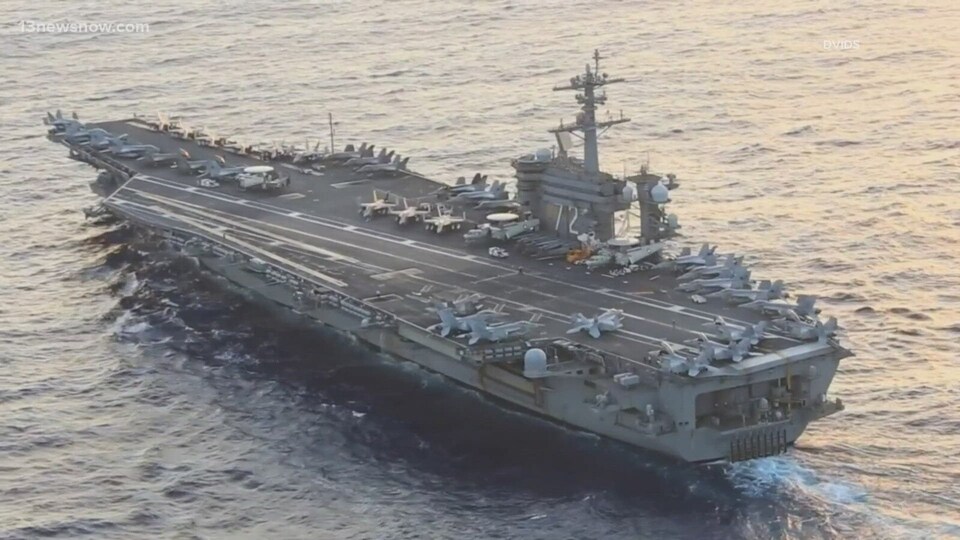
While US President Donald Trump has used the ‘might is right’ doctrine in Venezuela in January and now in Iran in tandem with Israel, Russia has used the same doctrine in Ukraine since February 2022 and China is using the same strong arm tactics against Taiwan for the past decade. Just as Ukraine has dragged Europe into its conflict with Moscow, Iran has triggered a global energy crisis by targeting commercial shipping in the Persian Gulf and made the entire Middle-East and beyond collateral damage to its war game plan.
The short-sightedness of the Indian governments in the past becomes evident when we realize that US and Russia are energy secure, rising power China has secured its energy needs through pipelines and long term contracts. A never say die votary of peace and non-alignment in the past, India is vulnerable as it is a major importer of oil, LNG, LPG and fertilizers. The Indian problem is compounded by the fact that it is not an original equipment manufacturer of major hardware platforms and depends on countries like Russia, France, Israel and US for its national security needs. The Indian armed forces would prefer to buy equipment from abroad as the Indian design, develop and manufacture PSUs take eons to deliver on a technology, which virtually gets outdated even before it is inducted into Indian armed forces.
While Prime Minister Narendra Modi has gone blue in the face talking about ‘Aatmanirbharta’ and need to develop indigenous hardware platforms, the Indian reliance on imported platforms and stand-off weapons has not decreased dramatically as the civilian-military bureaucracy of the Indian national security does not trust the Indian defence sector and vice-versa as they always opt for the safest route.
With India being the fourth-largest economy and the fourth-largest military power, it does not behove us to rely on third parties for national or energy security needs when it comes to core issues of military manufacturing, external intelligence or science and technology development. On top of that, dragging the nation down are multiple bureaucratic compliances for any entrepreneur ready to do business in India.
But even before we start examining the solution to all these most urgent issues, India needs to be doctrinally clear in its mind as to what is the big objective of the country. Strategic autonomy becomes an exercise in obfuscation if it is a mere justification without implementation on ground. The Indian bureaucracy including diplomats still view the Modi government’s decisions from the prism of anti or pro US, Russia and now China. Weaned on non-alignment, socialism, “Aman ki Aasha” and Palestinian cause, a large section of Indian bureaucracy are moral warriors and abhor the reality of force. The reality that India is an independent big power gives indigestion to such vested interests even as big powers are using Indian lobbyists and influencers to push their agenda.
The US-Israel-Iran war should be an eye-opener for Indian security planners as all the principals in this fight are acting in their own interests with hardly any worry about energy needs for other countries. The targeting of civilian shipping by Iran and huge bombardment by US-Israel of the Shia nation has brought the world on a precipice. India will have to overhaul its governance structures and bureaucracy if New Delhi is to move towards pole position in the global Formula 1 circuit. There are no marks for also ran.


