
 E-Paper



HistoriCity: How taxation, famine triggered the late 18th century Sannyasi-Fakir Rebellion
Vande Mataram, which translates to “Mother, I pray/bow to thee,” was a rallying cry during resistance movements, inspiring generations of freedom fighters

 Prefer HTon Google


Vande Mataram, India’s National song, was written by the Bengali poet, novelist and journalist Bankim Chandra Chattopadhyay in 1875. Over 150 years later, the Prevention of Insults to National Honour (Amendment) Act, has granted our national song the same statutory legal protection as the national anthem, Jana Gana Mana, penalising those who prevent its singing, or cause disturbance to assemblies engaged in singing it. Additionally, the home ministry guidelines state all six stanzas of the song must be sung at official events.
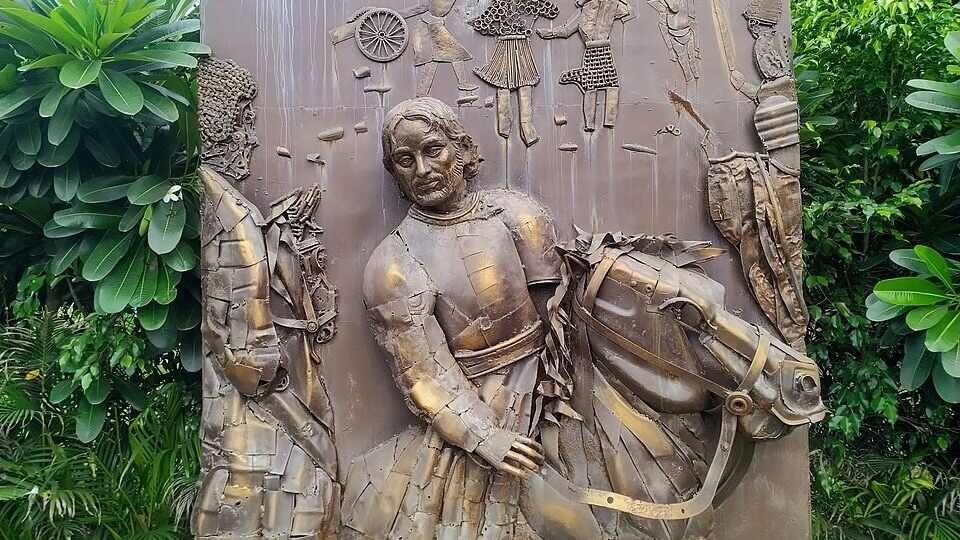
Vande Mataram, which translates to “Mother, I pray/bow to thee,” was a rallying cry during resistance movements, inspiring generations of freedom fighters and nation-builders. The poem was published in Chattopadhyay’s Anandamath (1882), one of India’s most significant historical-nationalist novels, set against the backdrop of the Bengal Famine of 1770 and the Sannyasi-Fakir rebellion.
The British in Bengal
Siraj ud Daulah’s defeat in 1757 at the Battle of Plassey in Bengal and Mir Jafar’s ascension to the throne as a puppet ruler marked the beginning of British expansion within the country, which was to last nearly 200 years. As a commercial venture, the East India Company increasingly reshaped agriculture, trade and revenue collection, and, with the acquisition of the Diwani, gained control over revenue collection across Bengal and Bihar. They gradually dismantled the village-based economy and introduced individual cash-based revenue collection. Peasants were forced to sell their grain to pay taxes, often at low prices to British traders, who later resold it at much higher prices.
This pushed peasants deeper into poverty. Dacca’s cotton weavers, among the finest in the world, were similarly oppressed, forcing many to flee. In 1769, British traders bought up foodgrains and sold them at inflated prices the following year. Unable to afford food, people starved, leading to the 1770 famine, which is estimated to have killed about a third of the population and disrupted families.
Those who Wander
Sankaracharya, the great Hindu revivalist, reorganised the order of Hindu monks or ascetics in the eighth century. He established four monasteries (maths) in the four corners of India, placing them under his four principal disciples. These disciples chose ten acolytes: Puri, Giri, Parvata, Sagara, Vana, Aranya, Tirtha, Asrama, Saraswati and Bharati, which became the names of the 10 major sects of Hindu monks, collectively known as the Dasnami tradition.
According to AN Chandra in his work ‘The Sannyasi Rebellion’, many had initially learnt to bear arms. He writes, “some of these sects had taken within their fold some of the wandering vagabonds, who owing to their aversion to hard labour had enlisted as ascetics and these few, later, carried out brigandage throughout the country, more noticeably in Bengal…in the following diatribe on the Naga sect of Sannyasis.
The great religious reformer Kabir, who flourished in the fifteenth century, says: “Brothers, I have never seen such Yogis who forsaking their own religion go about on fruitless journeys when did Dattatreya demolish houses, when did Narada use muskets, when did Vyasa sound war drums?”.
William Pinch in his seminal work ‘Warrior Ascetics and Indian Empires’ asserts, “the eighteenth century saw the increased use of the terms sanyasi…and fakir…particularly by British officials in Bengal. To the west, toward Allahabad, Lucknow, and Delhi, the term gosain…prevailed. Further west still, toward Jaipur in particular, the term bairagi…gained prominence. This terminological variety is due partly to sectarian distinctions: bairagi, for example, tends to refer to ascetics oriented toward Vishnu or one of his avatars, Rama or Krishna. But much of it reflects the fact that observers did not, and still do not, know what to make of these armed men on the margins of religion and society.”
Grounds for Rebellion
The economic changes brought about by the British had significant social ramifications. The Company’s revenue demands disrupted established relationships between local communities, zamindars, and religious groups. Hindu sannyasis, who traditionally travelled through Bengal and collected customary taxes from local headmen and zamindars, increasingly found these arrangements disrupted as the Company’s demands left local elites unable to meet both obligations.
Crop failures and the devastating 1770 famine intensified this social and economic breakdown, displacing communities, disrupting livelihoods, and contributing to growing resistance against Company rule.
Historian Atis Dasgupta posits yet another reason for the rebellion lay in the Company’s decision to gradually dismantle the Mughal armed forces and instead set up a new militia under the control of the East India Company. The dismissed soldiers, disgruntled as they were, contributed “one element for the growth of a militant organisation which was required for sustained armed struggle”. The fakirs and sannyasis formed networks and settled in parts of north and east Bengal, integrating with discontented peasants and others. They, however, continued to go on pilgrimage to auspicious places, being subjected to pilgrimage taxes and other perceived forms of exploitation.
An extract of a petition written by the Muslim fakir leader Majnu Shah to Maharani Bhawani of Natore (now in Bangladesh) in 1772 claims that “we have for a long time…been entertained in Bengal and we have long continued to worship God at the several shrines and altars without ever once abusing or oppressing anyone. Nevertheless, last year 150 fakirs were without cause put to death…displaced at this method they (the English) obstruct us in visiting the shrines…this is unreasonable…we are fakirs who pray always for your welfare…”
The economic and social disruption also reshaped relationships between religious communities. As Pinch notes, oral traditions recorded in Bogra describe an epic clash in 1777 between the followers of Shah and the Naga Sannyasis.
The account, which portrays the Nagas as heavily armed horsemen who defeated Majnu Shah’s followers, appears to have acquired a more grandiose character through repeated retelling in the 19th century.
The Sannyasi-Fakir Rebellion
In January 1773, Warren Hastings issued a proclamation ordering wandering Bairagis and Sannyasis to leave Calcutta within seven days and Bengal and Bihar within two months. The order made exceptions for certain ascetic groups that had long been settled and received land, money, or other forms of support from the government or zamindars.
It added that “if any of the above-mentioned sects shall be found in Bengal or Bihar at the expiration of two months they are to be seized and put on the roads for life, made to work at the public buildings and have their property confiscated to the Government.”
The proclamation came after years of encounters between the Company and armed ascetic bands. From the 1760s onwards, sannyasis and fakirs moved in large, highly mobile groups across Bengal and Bihar, often demanding money or provisions from local authorities and zamindars. They were difficult for the Company to control because they knew the terrain, travelled through forests and pilgrimage routes, could divide into smaller groups and reunite elsewhere, and sometimes crossed political boundaries.
(HistoriCity is a column by author Valay Singh that narrates the story of a city that is in the news, by going back to its documented history, mythology and archaeological digs. The views expressed are personal.)


