
 E-Paper



When Ratan Tata showed tremendous resolve during attack on Taj Hotel in 2008
As many as 166 people lost their lives, and over 300 were injured after terrorists from Pakistan attacked Mumbai in November 2008.

 Prefer HTon Google


Veteran industrialist and Tata Sons chairman emeritus Ratan Tata died at Breach Candy Hospital in Mumbai on Wednesday evening. He was 86.
Tata, who was chairman of the salt to software group for more than two decades, breathed his last at at 11.30 pm on Wednesday. A Padma Vibhushan recipient, Tata, was in intensive care at the hospital since Monday.
Tata joined the family firm after acquiring a B.S. in architecture from Cornell University, Ithaca, New York, in 1962. He became chairman of Tata Industries a decade later and in 1991, took over as the chairman of the Tata Group from his uncle, JRD Tata, who had been in charge for more than half a century.
Also Read | Ratan Tata death: Maharashtra govt declares day of mourning as mark of respect
With the opening of the Indian economy, Tata turned the group, which began as a small textile and trading firm in 1868, into a global powerhouse with operations spanning salt to steel, cars to software, power plants to airlines.
In 2008, 10 Pakistani terrorists infiltrated south Mumbai via the sea and launched attacks at several prime locations in the city, including the Taj Hotel and Chhatrapati Shivaji Maharaj Terminus.
The indiscriminate attack perpetrated by the Pakistani terrorist group Lashkar-e-Taiba (LeT) claimed the lives of 166 individuals and injured more than 300 people.
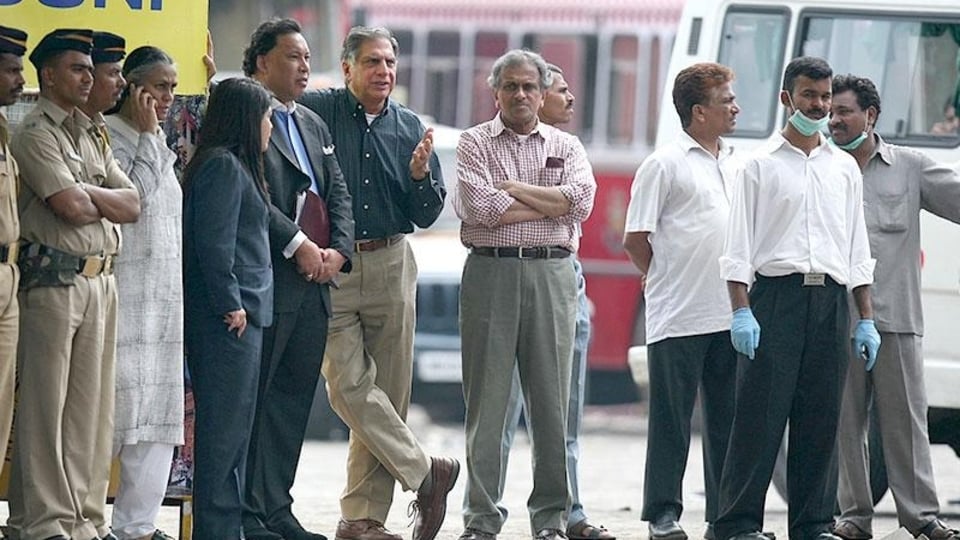
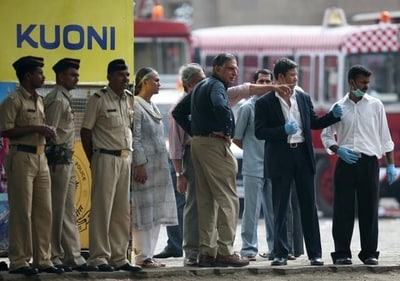
Amid the attack, Ratan Tata, who was then 70, showed tremendous resolve. He was seen standing at the Colaba end of the iconic Taj Hotel, and security forces carried out operations against the terrorists in the Taj Hotel.
Among the 166 people killed in the attack were 33 who died in the 60-hour siege at the Tata Group's iconic Taj Hotel. These also include 11 hotel employees.
After the attack, Rata Tata pledged to reopen the Taj Hotel and also pledged to take care of the families of those killed or and injured in the attack.
According to the BBC, he paid the relatives of those killed the salaries they would have earned for the rest of their lives.
Within months, the Tata Group also formed The Taj Public Service Welfare Trust (TPSWT) to provide humanitarian support during disasters. According to the Deccan Herald, Ratan Tata himself visited the homes of victims and ensured that they were being taken care of.
‘Wanton destruction’
In 2020, Ratan Tata recalled the 2008 Mumbai terror attacks on Thursday and said that the wanton destruction that took place 12 years ago today will never be forgotten.
In an Instagram post, the industrialist praised the people of Mumbai for casting aside all differences and coming together that day.
“The wanton destruction that took place 12 years ago today will never be forgotten. But what is more memorable, is the way Mumbai as a diverse people came together, casting aside all differences, to vanquish the terrorism and destruction on that day. Today, we certainly can mourn the ones we lost and honour the sacrifice of the brave who helped conquer the enemy, but what we must applaud, is the unity and the acts of kindness and sensitivity which we should cherish, and which hopefully, will continue to shine in the years ahead,” he wrote.


