E-Paper



ICJ verdict on Kulbhushan Jadhav brings hope, cheer
The ICJ said Pakistan had argued its high courts can exercise review jurisdiction but observed that the country’s Constitution had been interpreted by the Supreme Court as “limiting the availability of such review” for a person like Jadhav who is subject to the Pakistan Army Act.

 Prefer HTon Google


With the International Court of Justice (ICJ) on Wednesday leaving the choice of means for a review of Kulbhushan Jadhav’s death sentence to Pakistan, it was not immediately clear whether his case would be handled by military or civil courts.
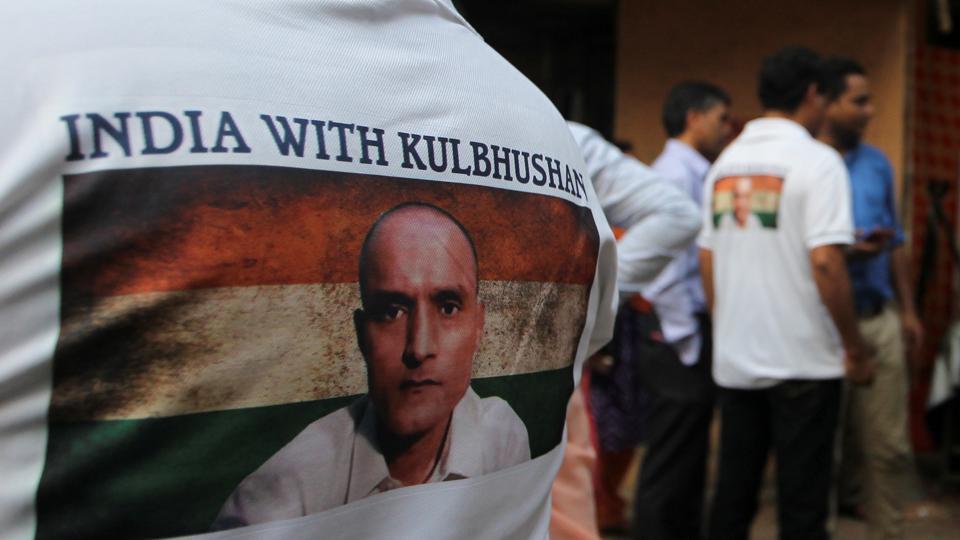
The UN’s top court noted in its ruling that Pakistan’s clemency process wasn’t sufficient to serve as an appropriate means of review and reconsideration, and said it was not known whether the Pakistan Army chief had acted on a mercy petition submitted by Jadhav.
The ICJ said Pakistan had argued its high courts can exercise review jurisdiction but observed that the country’s Constitution had been interpreted by the Supreme Court as “limiting the availability of such review” for a person like Jadhav who is subject to the Pakistan Army Act.
“Thus, it is not clear whether judicial review of a decision of a military court is available on the ground that there has been a violation of the rights set forth in Article 36, paragraph 1, of the Vienna Convention,” the ICJ said.
Jadhav has already filed a mercy petition to the Pakistan Army chief within 60 days of the decision by a military appellate court, and if this is rejected, he can submit a mercy petition to the President within 90 days of the decision by the army chief.
Given the opacity associated with Pakistan’s military justice system, the ICJ insisted the review of Jadhav’s case must be effective, unconditional and lead to a result. It also ruled that Pakistan could consider “enacting appropriate legislation” as part of the review process for Jadhav.
Soon after the verdict, foreign minister Shah Mahmood Qureshi tweeted that Jadhav would “remain in Pakistan” and “be treated in accordance with the laws of Pakistan”. The Foreign Office too announced Pakistan will “proceed as per law”.
However, Pakistan will now have to provide consular access to Jadhav – something that it has failed to do despite numerous requests from India since the former naval officer was arrested in March 2016. This, people familiar with matter said, will allow India to get access to Jadhav to assess his health and plan for a proper defence based on his inputs.
The ICJ also pointed out in its verdict that “respect for the principles of a fair trial is of cardinal importance in any review and reconsideration” and that Pakistan should examine and address the violation of Jadhav’s consular rights and its implications for his trial.“In particular, any potential prejudice and the implications for the evidence and the right of defence of the accused should receive close scrutiny during the review and reconsideration,” it added.