
 E-Paper



If PLA there to stay, so is Indian Army, says Gen Naravane on eve of LAC talks
General Manoj Mukund Naravane said India had taken countermeasures and matched PLA’s moves. India and China have been locked in a border standoff for 17 months now and despite two rounds of disengagement at friction points this year, the two sides still have 50,000 to 60,000 troops each in the Ladakh theatre.


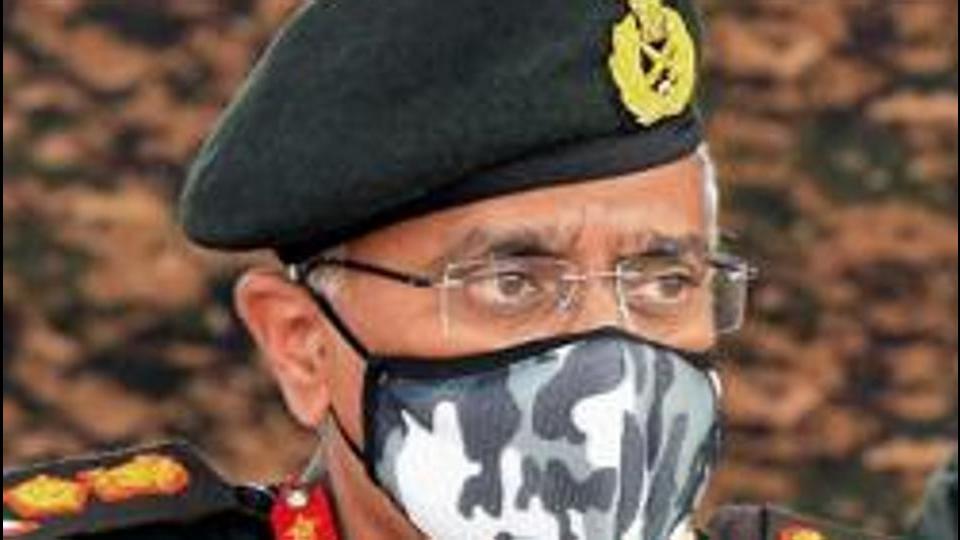
If the Chinese People’s Liberation Army (PLA) is there to stay in the Ladakh theatre so is the Indian Army, army chief General Manoj Mukund Naravane said on Saturday referring to the military buildup and infrastructure development by the neighbouring army across the contested Line of Actual Control (LAC).
His comments came on the eve of the 13th round of military talks with PLA to cool LAC tensions.
“It is a matter of concern that the large-scale buildup that occurred last year (when the border row erupted) continues to be in place,” the army chief said.
“To sustain that kind of buildup, there has been an equal amount of infrastructure development on the Chinese side. It means that they (PLA) are there to stay. We are keeping a close watch on the developments. But if they are there to stay, we are there to stay too,” he said at the India Today Conclave.
He said India had taken countermeasures and matched PLA’s moves. India and China have been locked in a border standoff for 17 months and despite two rounds of disengagement at friction points this year, the two sides still have 50,000 to 60,000 troops each in the Ladakh theatre.
“If they continue to stay there for the second winter, it will definitely mean we will be in a Line of Control (LoC) kind of situation (referring to the Indian and Pakistani deployments on the LoC), though not an active LoC as is there on the western front. We will have to keep a close eye on PLA troop buildup and deployments to ensure they don’t get into any misadventure once again,” Naravane said.
Asked to comment on PLA’s intentions given its aggressive moves in the northern sector, he said, “I wish I knew. The most difficult thing is to get into your adversary’s mind. This is the question we have been asking not just within the army but also at other forums. But whatever those reasons may have been, I don’t think they have been able to achieve their aims because of the rapid response by the Indian armed forces.”
The army chief said renewed infiltration attempts by Pakistani terrorists were being witnessed along LoC in Kashmir after a four-month lull following the renewal of a ceasefire pact with Pakistan in February 2021. The two countries first agreed in 2003 to observe truce along their de facto border in Jammu & Kashmir.
“The ceasefire held in totality till July. Incidents have started taking place again. There have been three incidents of ceasefire violation in north Kashmir. It seems to be a repeat of the 2003 pattern when it started with one odd incident and then rising to...as good as not having a ceasefire,” he said.
On the Afghanistan situation and its impact on Kashmir, the army chief said when the previous Taliban regime was in power 20 years ago; Afghan-origin terrorists were operating in the valley. “There is reason to believe that the same thing might happen once again. We are prepared for any such eventuality. Just as we dealt with them in early 2000s, we will deal with them now should they venture anywhere near us.”
Naravane flagged concerns about the recent targeted killings in Kashmir, saying the acts were unacceptable and a last-ditch attempt by terrorists to stay “a little relevant”.
On the possibility of women being assigned front-line combat roles given that the doors of the National Defence Academy have been opened to them, he said, “We have opened 10 branches of the army to women, except infantry, armoured corps and mechanised infantry. I think for the foreseeable future that will remain the same. I will not make any false promises. We will have to see how it goes along. None of our neighbouring countries have opened up their combat arms to women officers. Things could change in future. We have to move slowly...change will happen but at its own pace.”


