
 E-Paper



Improper engine selection, poor planning led to delays in IJT project: CAG
The IJT, first powered by a French engine and now a Russian one, was expected to get initial operational clearance by 2006.

 Prefer HTon Google


Improper engine selection and faulty planning in the early development stage by state-owned plane maker Hindustan Aeronautics Limited led to significant delays in the intermediate jet trainer (IJT) project that was sanctioned almost 25 years ago, the Comptroller and Auditor General (CAG) said in a report tabled in Parliament on Thursday.
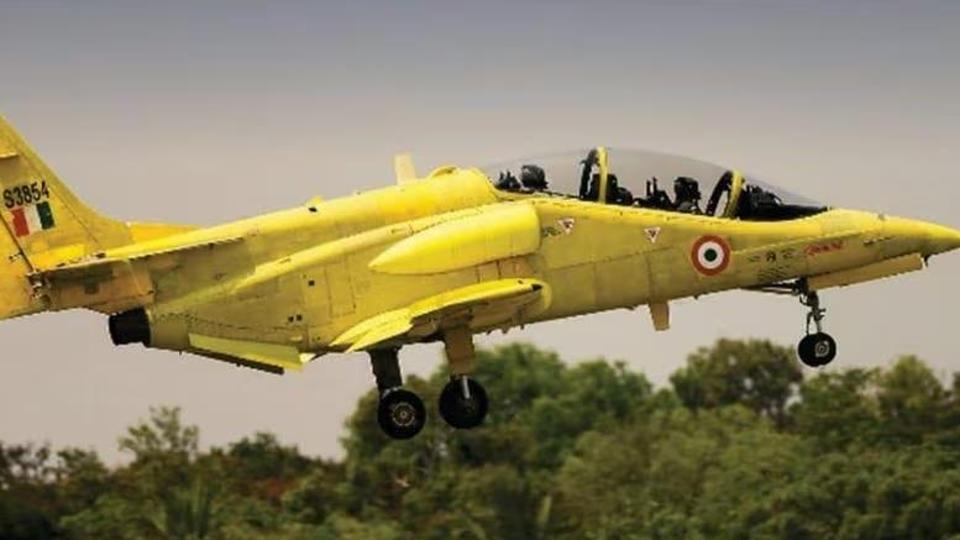
The IJT project was sanctioned in July 1999 with a grant of Rs.180 crore.
“Incorrect assessment of the required thrust and lack of clarity on the availability of A Type Engine led to improper engine selection, which, in turn, had a cascading effect on the design and development of Project 2 (IJT),” the national auditor said in its latest report.
Lack of clarity on a resolution of stall and spin issues and improper planning in the initial stages of development led to a delay in the project, the report added.
The IJT, first powered by a French engine and now a Russian one, was expected to get initial operational clearance by 2006, with deliveries to the Indian Air Force planned a year later. However, there is no indication from the IAF about a possible order. The much-delayed IJT was planned as a replacement for the IAF’s Kiran fleet to carry out stage-II training of fighter pilots.
Rookie IAF pilots go through a three-stage training involving the Swiss-origin Pilatus PC-7 MkII planes, Kiran trainers and finally the British-origin Hawk advanced jet trainers before they can fly supersonic fighter jets. The Kiran trainers were first inducted into the IAF in the 1960s.
The IJT or the HJT-36 single-engine aircraft has completed a raft of crucial trials, but the testing process is still on, officials aware of the project said. The inordinate delay in the project upset the IAF’s calculations and forced it to fly the Kiran trainers longer than it would have liked.
To be sure, the CAG report on defence public sector undertakings is for the year ending March 2020. The IJT project has made some progress since.
In January 2022, HAL announced that the IJT had successfully demonstrated the capability to carry out six turn spins, a key requirement for trainers and the most crucial phase of flight testing. The capability to enter and recover from a spin is a necessity for a trainer aircraft to familiarise trainee pilots with departure from controlled flight and the actions required to recover from such situations.
To be sure, the IJT project is no longer backed by the IAF and HAL had to dig into its internal funds to carry out key trials after the project suffered a critical setback during spin testing in 2016 and brought the programme to a temporary halt. The future of the IJT project looks uncertain and the IAF could lease trainer aircraft to meet its requirements after the Kirans retire, the officials said.
Commenting on design and development in HAL, the report said, “Project feasibility studies, project definition phase reports and detailed project reports were not prepared. Technology gap analysis was not carried out and the D&D of the projects was taken up based on inputs from the customers.”
Technical reviews by a separate committee including domain experts were not carried out for the important phases of the D&D projects, it said.


