
 E-Paper



India, Canada have strengthened security cooperation, says MEA on terror tag for Bishnoi gang
There are 88 listed terrorist entities in Canada, including two pro-Khalistan groups, Babbar Khalsa International and International Sikh Youth Federation

 Prefer HTon Google


NEW DELHI: India and Canada have agreed to strengthen security cooperation, including intelligence-sharing and steps to combat transnational crime, the external affairs ministry said on Friday in the context of a move by Ottawa to list the Lawrence Bishnoi gang as a terrorist entity.
On Monday, the Canadian government added the Bishnoi gang to its list of terrorist entities on the grounds that the group had violently targeted specific communities and created a “climate of insecurity” through the targeting of prominent community members, businesses and cultural figures.
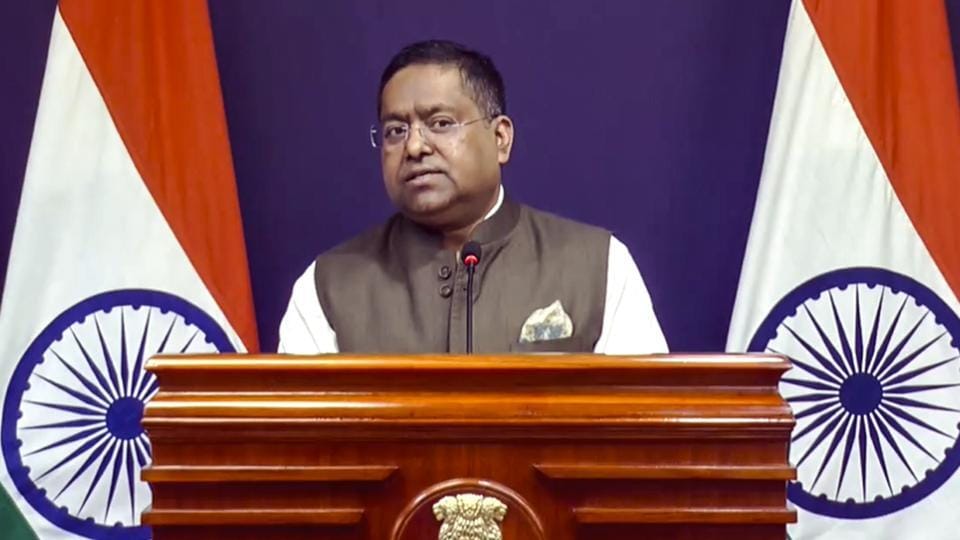
When external affairs ministry spokesperson Randhir Jaiswal was asked about the step taken by Canada at a weekly media briefing, he replied that National Security Adviser Ajit Doval met Canada’s National Security and Intelligence Adviser, Nathalie Drouin, in New Delhi on September 18 for “productive discussions” on bolstering security cooperation.
“Both sides had held productive discussions as to how we can strengthen bilateral cooperation, especially in the areas of counter-terrorism, trans-national organised crime and information or intelligence exchanges,” he said.
“They agreed to strengthen security cooperation and further reinforce existing mechanisms of engagement. Both sides remain in touch on all these issues,” Jaiswal added.
Security cooperation between India and Canada was hit after former Canadian prime minister Justin Trudeau alleged in September 2023 that Indian government agents were linked to the killing of Khalistani separatist Hardeep Singh Nijjar in the town of Surrey earlier that year.
India had dismissed Trudeau’s accusation as “absurd” and, as bilateral ties hit an all-time low, both India and Canada downgraded diplomatic ties and expelled dozens of each other’s diplomats. Contacts between security and intelligence officials resumed late last year as both sides worked to repair their ties, and this was followed by visits to India by Canada’s intelligence chief and the National Security and Intelligence Adviser.
Both sides recently appointed new high commissioners in each other’s capitals and have agreed to revive a range of mechanisms to advance relations in areas ranging from trade to energy.
The activities of pro-Khalistan elements in Canada remains a key security concern for India, while Ottawa has repeatedly raised the issue of transnational criminal gangs with New Delhi.
While listing the Bishnoi gang as a terrorist entity, Canada’s public safety minister Gary Anandasangaree said the group had targeted specific communities for “terror, violence and intimidation”, and the listing would give law enforcement “more powerful and effective tools to confront and put a stop to their crimes”.
There are now 88 listed terrorist entities in Canada, including two pro-Khalistan groups, Babbar Khalsa International and International Sikh Youth Federation. Canada’s provincial governments had also pressured federal authorities to list the Bishnoi gang.



