
 E-Paper



India ‘committed’ to stop Russian oil purchase, claims US Secretary of State Marco Rubio
Trump has claimed that India had agreed to not procure crude oil from Russia. However, New Delhi is yet to give a clear answer.

 Prefer HTon Google


US Secretary of State Marco Rubio has said that India has committed to stop buying Russian oil, days after India reiterated that “national interests” will be the “guiding factor” for India’s energy procurement.
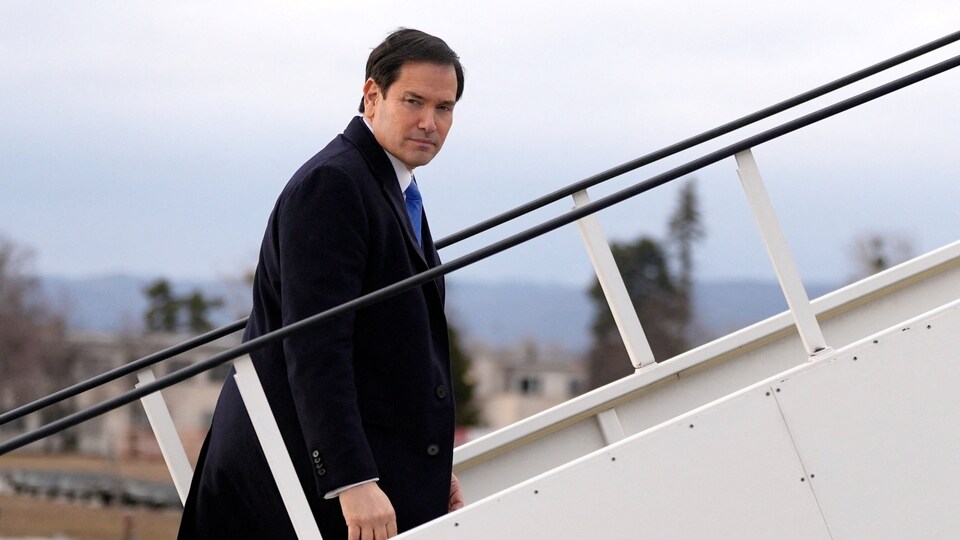
Earlier, US President Donald Trump, while announcing a trade deal with New Delhi early in February, claimed India had agreed to not procure crude oil from Russia. Since then, the US has claimed multiple times that India will stop buying oil from Russia.
Speaking at the Munich Security Conference on Saturday, Rubio said, “In our conversations with India, we’ve gotten their commitment to stop buying additional Russian oil.”
Separately, external affairs minister S Jaishankar said in Munich that India continues to pursue a policy of strategic autonomy and the country’s decisions on energy purchases will be made after considering availability, cost and risks.
New Delhi has neither confirmed nor denied the Trump administration’s repeated assertions that it has committed to ending Russian oil purchases as part of a trade deal with the US, which has seen Trump slash tariffs on Indian exports from 50% to 18%.
This has included the removal of a 25% punitive levy imposed on India last year over Russian oil purchases.
Jaishankar, who was participating in a discussion with his German counterpart Johann Wadephul at the Munich Security Conference, said that countries across the world are recalculating their policies amid unprecedented changes on the international stage and looking for common ground to strengthen each other.
Responding to a question on whether India having to wean itself of Russian oil under a trade deal with the US had impacted the country’s strategic autonomy, Jaishankar said New Delhi still exercises strategic autonomy which is “very deep and…cuts across the political spectrum”.
“We are very much wedded to strategic autonomy because it’s very much a part of our history and our evolution,” he said.
“Where the energy issues are concerned, this is today a complex market, oil companies in India — as in Europe, as probably in other parts of the world — look at availability, cost and risks and take the decisions that they feel is in their best interests.”
(With agency inputs)


