E-Paper



India expresses concern over continued instability in Myanmar
In a statement made during an interactive dialogue with the special rapporteur for human rights in Myanmar at the UN Human Rights Council in Geneva on Wednesday, India said the developments in Myanmar have direct implications for the country.

 Prefer HTon Google


NEW DELHI: India has expressed concern at the escalating situation and continued instability in neighbouring Myanmar and said it will continue to support efforts aimed at restoring the democratic process in the wake of the February 1 military coup.
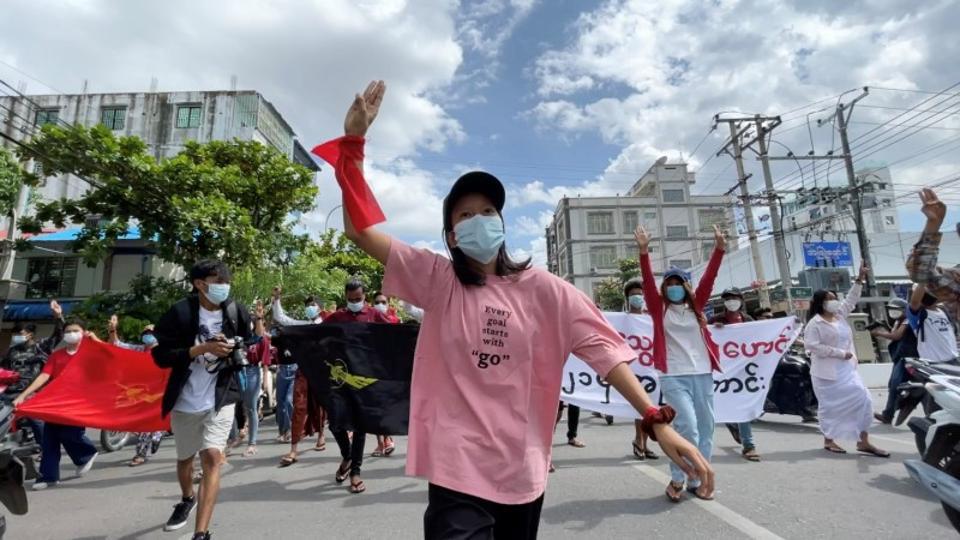
In a statement made during an interactive dialogue with the special rapporteur for human rights in Myanmar at the UN Human Rights Council in Geneva on Wednesday, India said the developments in Myanmar have direct implications for the country.
The special rapporteur, Tom Andrews, told the council that conditions in Myanmar following the coup have worsened and urged a “change of course” to avert further human rights abuses and deaths.
The military junta and its forces have murdered more than 1,100 people, arbitrarily detained more than 8,000, and forcibly displaced more than 230,000 civilians, bringing the number of internally placed people in Myanmar to well over half a million, Andrews said.
As of July, the junta has also killed at least 75 children, ranging in age from 14 months to 17 years, he said.
Also Read | US court orders Facebook to release data related to violence against Rohingya
In response to Andrews’ report, the Indian representative said: “For a country that shares a long land and maritime border with Myanmar, the escalating situation in Myanmar is a matter of concern. Continued instability in Myanmar has direct implications for India. We have also been facing the situation of people crossing over the border into India from Myanmar.”
Thousands of Myanmarese nationals have crossed into India’s northeastern states, especially Mizoram and Manipur.
“As a democratic neighbour of Myanmar, India remains committed to strengthening the process of democratic transition in Myanmar. We have worked with various stakeholders in Myanmar to develop capacities on democratic systems and practices and we are continuing these efforts,” the Indian representative said.
Reiterating India’s support for restoring the democratic process in Myanmar, the Indian representative added: “We urge the international community to work together and lend constructive support to the people of Myanmar.”
The Indian side also expressed concern at the Covid-19 situation in Myanmar and in bordering regions, and said the pandemic and political situation had led to a decline in economic activity.
India has provided urgent medical assistance to strengthen Myanmar’s Covid-19 response and also contributed to the Asean Coordinating Centre for Humanitarian Assistance to deliver aid to the people.
“Our developmental and humanitarian efforts in Myanmar, including in the Rakhine state, have been aimed at the socio-economic development of the country,” the Indian representative said.
Referring to efforts to send back displaced Rohingya people to Rakhine state, the Indian side said it was important to speed up ongoing efforts for the “safe, speedy and sustainable repatriation of the displaced persons currently in Bangladesh”. India will continue to support the Bangladesh Government in this regard.
India also welcomed the appointment of Brunei’s second minister of foreign affairs Erywan Pehin Yusof as special envoy of the Association of Southeast Asian Nations (Asean) chair on Myanmar and his call for a peaceful solution through constructive dialogue. “We look forward to the visit of the Asean special envoy to Myanmar and early implementation of the five-point consensus,” the Indian representative said.