E-Paper



India, Pakistan face off in Brussels; New Delhi says Islamabad blocking trade
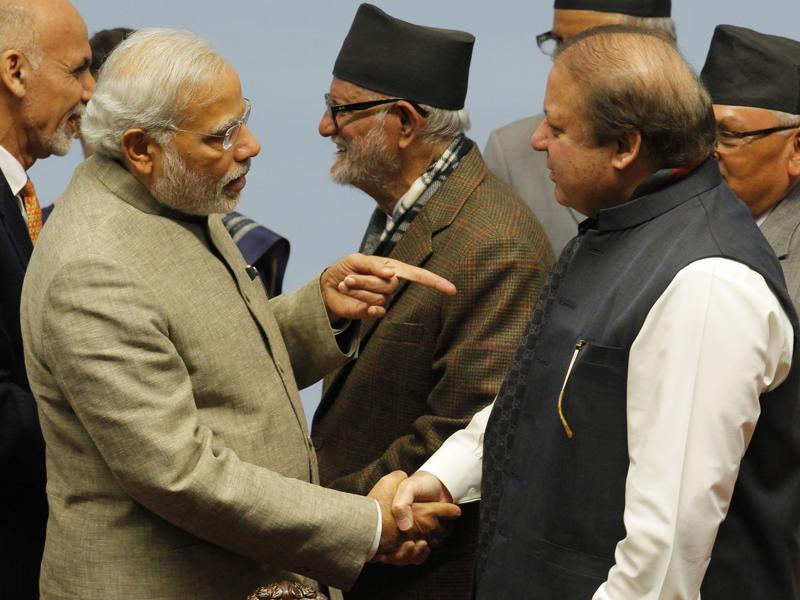
The face-off between India and Pakistan found echoes on the margins of a crucial international meeting on Afghanistan in Brussels, with New Delhi accusing Islamabad of impeding the development of regional trade.

 Prefer HTon Google


The face-off between India and Pakistan found echoes on the margins of a crucial international meeting on Afghanistan in Brussels, with New Delhi accusing Islamabad of impeding the development of regional trade.
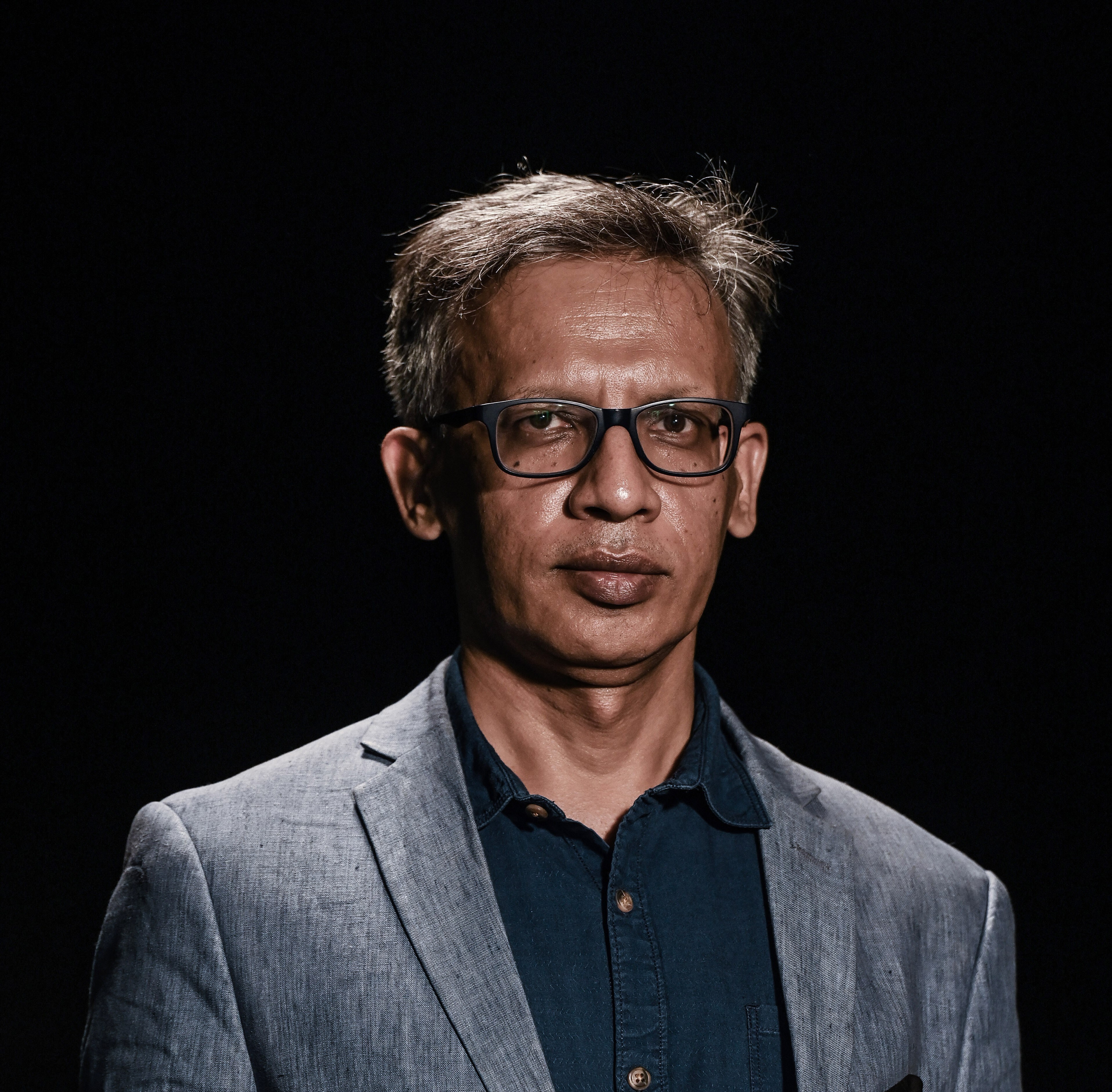
Speaking at an event on regional integration on the sidelines of the Brussels Conference on Afghanistan, minister of state for external affairs MJ Akbar said Pakistan had “blocked” the transportation of Afghan goods to India for political reasons.
Akbar also said the terrorism and violence unleashed against Afghanistan had affected work on development projects, delivery of assistance and inflow of investments.
Though he did not name Pakistan in connection with the violence in Afghanistan, Indian and Afghan officials have for long accused Islamabad’s security establishment of backing the Afghan Taliban.
Ahead of the conference, Pakistan’s foreign policy chief Sartaj Aziz accused India of “sponsoring terrorist campaigns” and ceasefire violations on the Line of Control (LoC) in Kashmir. This, he said, was affecting the Pakistan Army’s ability to deploy more resources on the border with Afghanistan.
Tensions between India and Pakistan spiked after a terror attack on an army camp at Uri in Kashmir that killed 19 soldiers. India said its troops had carried out surgical strikes against terrorists across the LoC last Thursday. New Delhi also launched a campaign to isolate Islamabad on the global stage for using terror as an instrument of state policy.
Akbar, who is leading the Indian delegation to the Brussels meet, said Afghanistan needs infrastructure, connectivity and access to regional markets for its development. He said Afghanistan’s exports had traditionally found their most lucrative market in India, which had offered a special facility at the Attari border crossing with Pakistan for Afghan products.
“Unfortunately, this access has been blocked for political reasons by Pakistan. Nations cannot become walls aborting a trade and culture that is as old as written history, and as powerful as the lore etched in common memory,” he said.
“Those who deny transit hurt Afghanistan’s economy, with negative resonance for our larger region.”
India had completed development projects, including dams and highways, worth more than $2 billion in Afghanistan and committed to $1 billion more. The recent India-Iran-Afghanistan agreement to make Chahbahar port into a trade and transit hub will lead to immense economic opportunities, Akbar added.
He noted that “scale of terrorism and violence unleashed against Afghanistan is of a magnitude that simply does not allow for easy project implementation, efficient delivery of assistance or the rapid inflow of investments”. The world community must ensure security if it wants stability and development in Afghanistan, he said.
Aziz, who spoke at the European Institute of Asian Studies in Brussels, said Pakistan’s close ties with China and its improved relations with Russia “has been counter-balanced by India’s continuing policy to pressure Pakistan”.
He alleged India was “sponsoring terrorist campaigns inside Pakistan to foment separatism or by ceasefire violations on the LoC…to constrain the Pakistan Army’s ability to deploy more resources” on the Afghan border.
“Regrettably, India also openly opposes the China-Pakistan Economic Corridor (CPEC) for no apparent reason than to obstruct the economic development of Pakistan,” Aziz said.
He also raked up the Kashmir issue, rights violations and “direct military pressure on Pakistan through deployment of advanced weapons systems, offensive troops positioning and exercises along the border”.