
 E-Paper



What is an OCI card? Rules explained as Imran Khan is asked to leave India
OCI cardholders receive visa and other specified privileges but remain foreign nationals, not Indian citizens.

 Prefer HTon Google


Actor Imran Khan, who was claimed to be an American citizen and Overseas Citizen of India (OCI) cardholder, has been asked to leave India by October 28 after participating in a protest demanding the resignation of chief election commissioner Gyanesh Kumar in Mumbai. The action has brought the rights and restrictions governing OCI cardholders, particularly their participation in political activities, into focus.
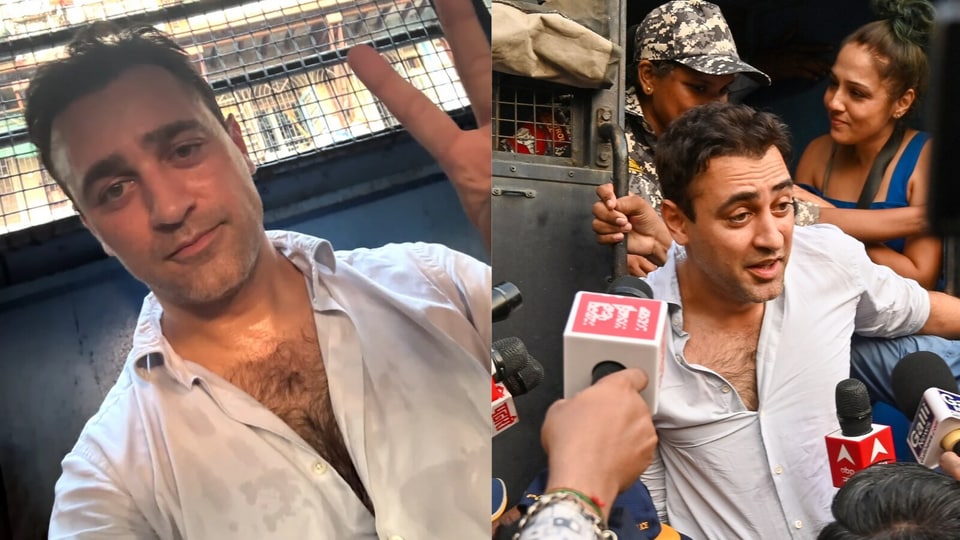
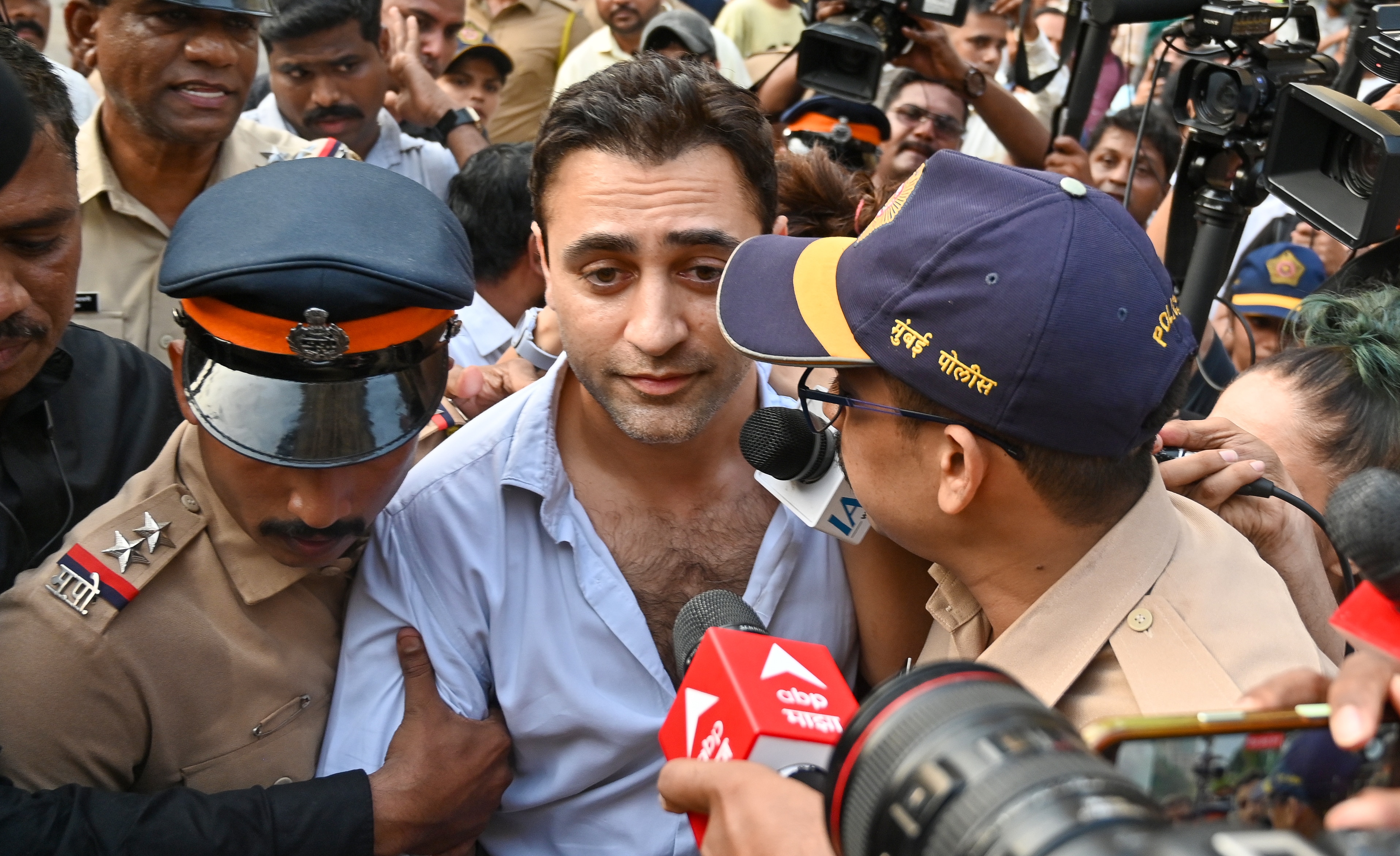
The Foreigners Regional Registration Office (FRRO) in Mumbai issued the notice following a complaint by Bharatiya Janata Party (BJP) leader Kirit Somaiya, who questioned Khan's participation in the protest despite his foreign citizenship. The actor was among hundreds of people detained during the demonstration at August Kranti Maidan on October 10.
But what does an OCI card allow its holder to do in India? Can an OCI cardholder participate in a political protest, and can the government order them to leave the country?
What is an OCI card?
Deep Dive

The Overseas Citizenship of India scheme was introduced in 2005 for eligible people of Indian origin who hold foreign citizenship. It was designed to provide members of the Indian diaspora with certain privileges to visit, live and pursue specified activities in India.
Also Read | Actor Imran Khan asked to leave India by October 28 after he took part in anti-CEC protests in Mumbai
Despite its name, OCI is not dual citizenship. An OCI cardholder remains a foreign national and holds the passport of another country. The card does not confer Indian citizenship or the full set of rights enjoyed by Indian citizens.
According to the Ministry of External Affairs (MEA), an OCI cardholder is generally entitled to a lifelong, multiple-entry visa to visit India and is exempt from registration with the FRRO or Foreigners Registration Office (FRO) for any length of stay. Certain activities, however, require special permission from the competent authorities.
What rights do OCI cardholders have in India?
OCI cardholders enjoy several privileges, including the right to visit India multiple times without applying for a fresh visa for each visit. They also receive specified benefits and parity with Non-Resident Indians (NRIs) in certain economic, financial and educational matters, subject to applicable laws and government notifications.
However, OCI status does not confer political rights reserved for Indian citizens. Cardholders cannot vote in Indian elections, contest elections to Parliament or state legislatures, or hold certain constitutional positions, including those of the President and Vice-President of India. They are also generally ineligible for government employment, subject to specified exceptions.
OCI cardholders are also restricted from acquiring agricultural land, farmhouses and plantation properties in India, subject to applicable legal provisions.
The MEA's guidelines distinguish between the privileges available to OCI cardholders and the rights that arise specifically from Indian citizenship.
Can OCI cardholders participate in political protests?
The question has come into focus after Khan's participation in the Mumbai demonstration triggered a complaint and subsequent action by the authorities.
The OCI framework does not expressly impose a blanket prohibition on attending every public protest. However, OCI cardholders are foreign nationals, and they do not enjoy all the fundamental rights that the Constitution guarantees exclusively to Indian citizens.
Article 19 of the Constitution guarantees citizens the right to freedom of speech and expression and to assemble peacefully without arms, subject to reasonable restrictions. These protections are not available to foreign nationals in the same manner as they are to Indian citizens.
The distinction is important: the absence of a citizen's constitutional right does not, by itself, establish that every instance of a foreign national attending a protest is illegal. The legality of a particular person's participation and any resulting action would depend on the applicable laws, visa conditions, the circumstances of the event and the grounds invoked by the authorities.
Can an OCI card be cancelled?
Yes. The Citizenship Act, 1955, provides for cancellation of OCI registration on specified grounds.
According to the MEA, these include obtaining registration through fraud, false representation or concealment of a material fact; showing disaffection towards the Constitution of India as established by law; certain conduct involving an enemy during a war in which India is engaged; and a qualifying prison sentence imposed within five years of registration.
The government may also cancel OCI registration if it considers this necessary in the interests of India's sovereignty and integrity, security, friendly relations with foreign countries or the general public.
Cancellation is distinct from a notice directing a person to leave India. The legal basis for each action, and the procedures applicable to it, must be assessed separately.
Can an OCI cardholder be asked to leave India?
OCI status provides immigration privileges, but it does not give a foreign national an unconditional right to remain in India irrespective of applicable laws and conditions.
The authorities can take action against foreign nationals under the relevant immigration and foreigners laws.
However, the precise legal basis for directing an OCI cardholder to leave India, the reasons recorded in the notice and the available avenues to challenge the decision are important in assessing an individual case.
In Imran Khan's case, the FRRO has reportedly directed him to leave India by October 28. The action followed Somaiya's complaint over his participation in the protest against the Chief Election Commissioner.
What happens next in Imran Khan's case?
Imran Khan was among those detained during the October 10 protest at August Kranti Maidan, where demonstrators demanded Gyanesh Kumar's resignation over alleged irregularities in the Special Intensive Revision (SIR) of electoral rolls.
The protest was organised in support of demands raised by the Campaign for Judicial Accountability and Reforms, with Mahatma Gandhi's great-grandson Tushar Gandhi also among those detained.
Also Read | ‘Where does CJP go when issues arise in other states?’ CM Rekha Gupta amid anti-CEC protests in Delhi
Somaiya subsequently approached the police, questioning Khan's citizenship status and participation in a political agitation. The complaint was forwarded to the FRRO, which issued the notice asking the actor to leave India by October 28.
The case has raised broader questions about the limits of OCI privileges, the legal position of foreign nationals participating in demonstrations and the grounds on which immigration authorities can take action. The outcome will depend on the specific legal provisions invoked and any response or challenge Imran Khan may pursue.


