E-Paper



India performed 140 million Covid-19 tests in past 11 months, says government data
On average, at least a million tests are conducted each day from across the country for Covid-19 testing, with a capacity of testing at least 1.5 million samples daily

 Prefer HTon Google


India has conducted 140 million tests to detect Coronavirus disease (Covid-19) in the past 11 months, of which 10 million tests were performed during the past 10 days alone, government data shows.
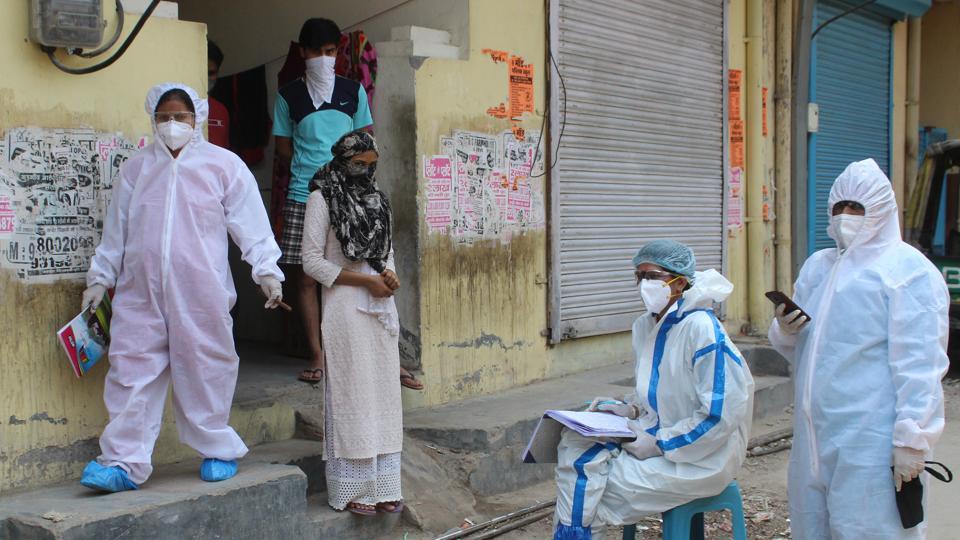
The first test to diagnose Covid-19 in the country was performed on January 23, and on Monday, India performed about 900,000 tests in a single day.
On average, at least a million tests are conducted each day from across the country in 2,165 Indian Council of Medical Research (ICMR) approved laboratories for Covid-19 testing, with a capacity of testing at least 1.5 million samples daily.
India started its Covid-19 testing facility with just one laboratory: ICMR- National Institute of Virology in Pune, using reverse transcription polymerase chain reaction (RT-PCR), and now also performs TrueNat and CBNAAT tests that were used for tuberculosis testing originally, but have been repurposed and approved for Covid-19 testing in the country by ICMR.
ICMR, country’s top biomedical research body, has been spearheading the Covid-19 testing initiative in the country, and has been able to significantly increase the testing laboratory network across the country in such a short span of time, to meet the country’s testing needs.
Also read | Centre’s new Covid-19 guidelines come into effect today: Here’s what’s allowed, what isn’t
As a result, the testing numbers went up exponentially -- from 10,000 Covid-19 tests at the end of April, 5 million in June, 10 million in July, and 50 million in September, to 100 million in October and 140 million till November-end.
The quicker Rapid Antigen Test (RAT) has also been deployed in a big way, especially at places that require mass testing that has helped in increasing India’s overall daily Covid-19 testing capacity.
“At places where large scale testing is required with quick results, RAT is recommended. However, there are certain conditions that need to be met, like getting a confirmatory test done though RT-PCR in cases of symptomatic RAT negatives etc. Because of its ability to accurately detect true positives, it is an effective tool in quickly picking up early infections,” said an ICMR official, requesting anonymity.
The Centre has asked states to conduct saturation testing to detect Covid-19 in places where people are likely to gather in large numbers, such as workplaces, religious places and markets etc.
Saturation testing, where everyone is tested for the disease, will augment random testing being done to control the spread of the viral infection.