
 E-Paper



India studying early Chinese proposals on boundary issue
National Security Adviser Ajit Doval is evaluating the “early harvest” proposals sent by Beijing to build trust between the two sides ahead of the meeting.

 Prefer HTon Google


The 22nd round of the India-China Special Representatives dialogue on the boundary issue will take place in New Delhi in mid-September. National Security Adviser Ajit Doval is evaluating the “early harvest” proposals sent by Beijing to build trust between the two sides ahead of the meeting.
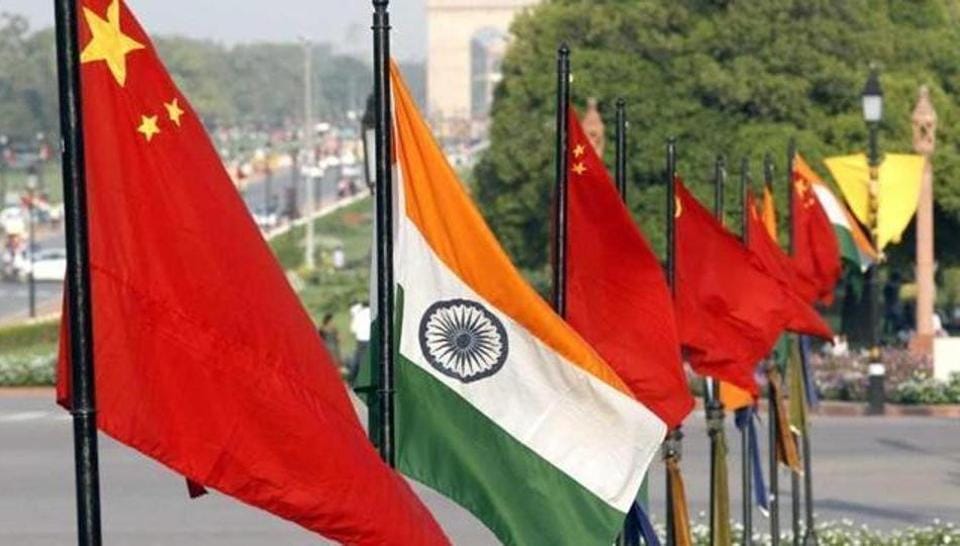
Dates for the meeting between Doval and Chinese State Councillor Wang Yi, the interlocutors, haven’t yet been finalised, Hindustan Times learns from Chinese and Indian diplomats.
The foreign ministers dialogue on August 11-13 in Beijing and the Special Representative talks are precursors to the October 11-12 informal summit between Prime Minister Narendra Modi and Chinese President Xi Jinping in India for which Varanasi is being considered as the potential venue.
Senior Chinese diplomats said Beijing was very serious about getting the longstanding boundary issues with both India and Bhutan out of the way, and that Wang had sent “early harvest” proposals to India.
Neither side is willing to share the contents of the proposals. However, Beijing, as indicated by HT’s conversations with Chinese diplomats, is showing no signs of changing any positions with New Delhi, be it India’s membership of the Nuclear Suppliers Group (NSG) or full political support to its “all weather ally” Pakistan.
The trust factor between the two sides has also taken a hit after China, joined by the United Kingdom, still living in its imperial past, supported Pakistan in the informal United Nations Security Council (UNSC) meeting on Monday against the Narendra Modi government’s decision to nullify Article 370 and Article 35 A of the Indian Constitution pertaining to Jammu and Kashmir.
The overall sense from the UNSC meeting was that both countries were hopelessly outnumbered and outmanoeuvred in their quest for a formal outcome by the remaining 13 members led by the US and France.
In his meeting this month in Beijing with State Councillor Wang, who is also foreign minister, external affairs minister S Jaishankar had made it very clear that both countries should be sensitive to each other’s core concerns. “If Beijing wants India to support One China that includes Taiwan, Tibet, Xinjiang and Hong Kong, then it also must support One India,” said a top official.
Indian diplomats based in the US said the latest Chinese move in support of Pakistan on Kashmir will lead to a cooling of ties; Article 370 and Article 35 A have nothing to do with beaching either the UN Charter or the 1972 Simla Agreement between India and Pakistan, they say. Despite Chinese diplomats vehemently denying it, Beijing wants to play elder brother to South Asia as the dominant power in the region and will support Pakistan for its own economic and strategic interests.
In the circumstances, mutual trust between the two countries can only be built if President Xi, or Xi Dada (elder brother as he is called), can overrule the status quoists in Beijing and opt for a mutually beneficial and mutually acceptable solution to the long-pending dispute over the boundary.


