E-Paper



India summons top Bangladesh diplomat, says border fencing in line with pacts
The Indian side described the barbed wire fencing, border lighting, and installation of technical devices and cattle fences as measures for securing the border

 Prefer HTon Google


NEW DELHI: A day after Dhaka expressed “deep concern” over New Delhi’s border fencing works, India on Monday summoned Bangladesh’s most senior diplomat and informed him that all security measures on the frontier were in keeping with existing agreements and protocols.
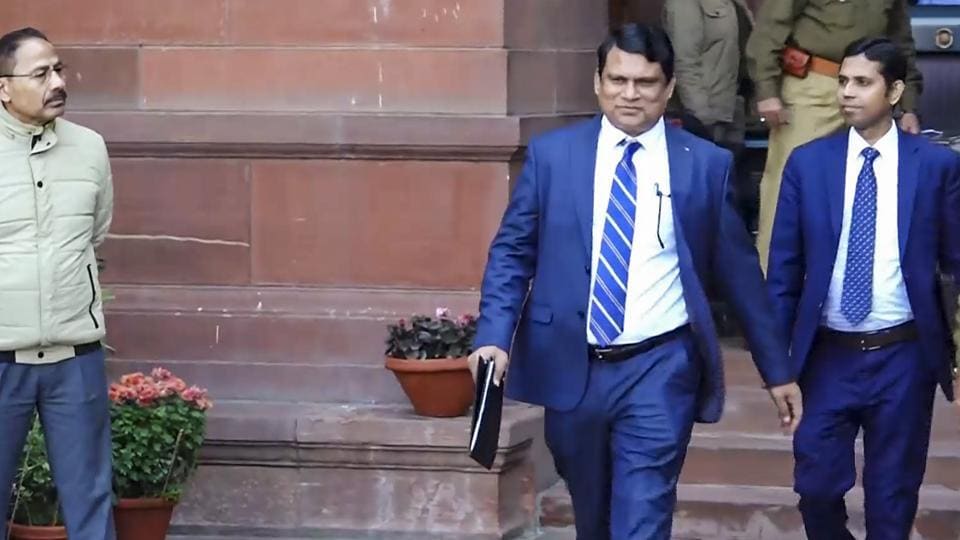
The escalation in tensions on the border, including Bangladesh’s opposition to India’s efforts to build a fence at five locations on the frontier, have come at a time when bilateral ties are at a fresh low since the formation of a caretaker regime led by Nobel laureate Muhammad Yunus following the ouster of former premier Sheikh Hasina last August.
Bangladesh’s acting high commissioner Mohammad Nural Islam was summoned by the external affairs ministry to South Block at 2pm and informed that India has “observed all protocols and agreements” between the two governments and the Border Security Force (BSF) and Border Guard Bangladesh (BGB) while undertaking security measures at the border, including fencing, according to an official readout.
“India conveyed its expectation that all earlier understandings will be implemented by Bangladesh and that there will (be) a cooperative approach to combating cross-border crimes,” the readout said.
The Indian side reiterated its commitment to “ensuring a crime-free border by effectively addressing the challenges of cross-border criminal activities, smuggling, movement of criminals and trafficking”. The readout described the barbed wire fencing, border lighting, and installation of technical devices and cattle fences as “measures for securing the border”.
On Sunday, India’s envoy in Dhaka, Pranay Verma, was called in to the foreign ministry, where he was told by foreign secretary Mohammad Jashim Uddin that the “unauthorised” construction of border fencing by the BSF was a matter of “deep concern” as it has caused tension and disturbances.
The Bangladeshi side has contended that “defensive structures”, such as fencing, within 150 metres of the border can be built only after consultations between the two countries. Bangladeshi officials have alleged the Indian side violated existing agreements and protocols on border management by going ahead with the fencing works without consultations.
The Indian readout, however, made it clear that the BSF was well within its rights to go ahead with the fencing. India has already fenced a little more than 3,000 km of the 4,096-km land boundary with Bangladesh.
The Indian side has said these security measures are needed to deter Bangladeshi smugglers and elements involved in trans-border criminal activities.
In a separate development, the Indian Army chief, Gen Upendra Dwivedi, said on Monday that the two countries “have to live together and understand each other” as neighbours. He told an annual news conference ahead of Army Day celebrations that India faces “no vulnerability” in the context of Bangladesh.
“Any kind of enmity is not in each other’s interest. Both are strategic partners,” he said. Dwivedi said he had been in contact with his Bangladeshi counterpart, Gen Waker-uz-Zaman, since the fall of the Sheikh Hasina government. “I was in constant touch with him, and even thereafter, in November 2024, we had a video conference,” he said.
India’s relationship with the Bangladeshi military is “well and perfect” and bilateral military cooperation is continuing, with Indian officials travelling to the neighbouring country for courses at the National Defence College. A bilateral joint exercise was postponed following the change of government in Dhaka but will be held “as and when the situation improves”, Dwivedi said.