
 E-Paper



Sectors that lost out to Asian rivals back in race for US orders after tariff cuts
The new 18% tariff rate places India in a more favourable position than its rivals. Bangladesh and Vietnam now face a 20% tariff, while China faces 30%.

 Prefer HTon Google


New Delhi/Chennai: Indian textile and apparel exporters have emerged as the biggest winners of the India-US trade breakthrough, with a tariff reduction from 50% to 18% providing immediate relief to the margin-sensitive sector. The development reopens access to a $118 billion American market for an industry that had been losing ground to competitors in Bangladesh and Vietnam.
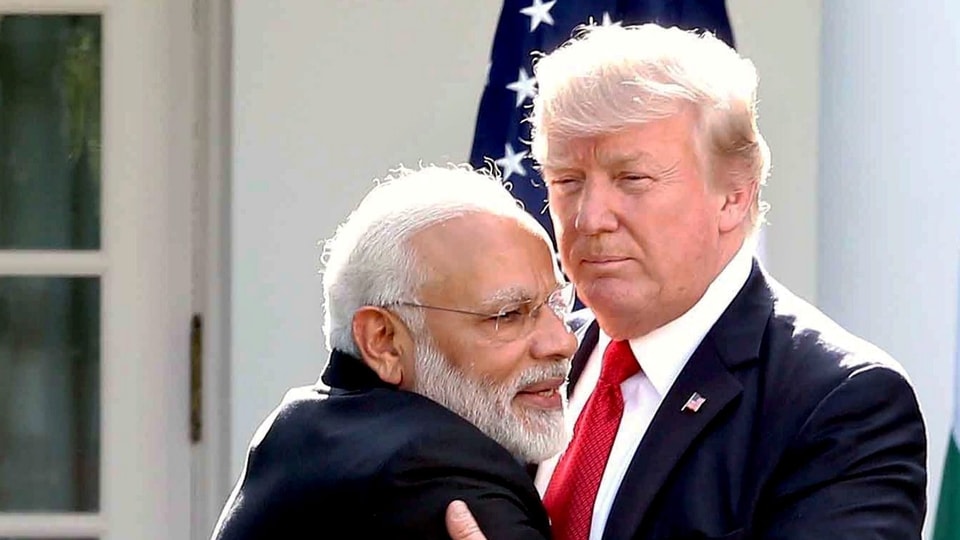
Announced Saturday, the steps include Washington’s decision to remove 25% tariffs linked to Russian oil purchases and a reduction from 25% to 18% of the reciprocal tariff component. This restores competitiveness for India’s labour-intensive textile industry and positions it to capture market share as global buyers diversify away from China, government officials and industry leaders said.
Also read: Agriculture, dairy sectors ‘fully’ protected under India-US trade deal, Piyush Goyal tells Parliament
For a sector that accounts for $10.5 billion in annual exports to the US — India’s largest textile destination — the reduction is a lifeline after months of operating at losses to fulfil existing commitments, according to the industry.
The new 18% tariff rate places India in a more favourable position than its rivals. Bangladesh and Vietnam now face a 20% tariff, while China faces 30%.
“This would alter the market dynamics as large buyers would surely relook at their sourcing in the light of this agreement,” the textiles ministry said in a statement. The ministry added that India was previously unable to compete with suppliers from Bangladesh, China and Vietnam due to the 50% tariff on Indian merchandise.
Major apparel exporters said the deal would boost profitability immediately. Pearl Global Industries Ltd, which counts GAP Inc. and Ralph Lauren Corp. among its clients, expects operations to gain significant momentum. “With the penalty now eliminated, the discount pressure disappears — directly boosting profitability from February onwards,” said Pallab Banerjee, managing director of Pearl Global, according to Bloomberg.
Also read: In India-US trade deal, a map does the talking on territories occupied by Pakistan, China
Suppliers to Walmart Inc. such as Welspun Living Ltd and Kitex Garments Ltd are expected to see improved order inflows, Bloomberg reported. Gems and jewellery makers like Rajesh Exports Ltd and Titan Co. will also see benefits from the framework’s zero-tariff provisions on gems and diamonds, when they come into effect later this year once the two sides sign the interim agreement.
Tiruppur expects orders to double
Tiruppur, the textile hub in Tamil Nadu, expects exports to double over the next five years. Manufacturers anticipate the clearance of ₹4,000 crore in orders previously held back by high tariffs.
Also read: HT Decodes: India-US joint statement on trade deal
“This will give huge growth for Tiruppur alone. Over the next five years, we expect the exports to double from Tiruppur,” said KM Subramanian, president of the Tiruppur Exporters’ Association. The hub currently exports garments valued at ₹15,000 crore annually. Subramanian said the sector expects to add another 500,000 workers over the next three to five years.
Durai Palanisamy, president of the South Indian Mills Association, said the agreement would trigger higher demand as the business becomes more competitive. M Rathinasamy, founder of Starrlight Exporters, added that orders previously going to Bangladesh would now move to India.
“With the US being India’s largest export destination of around $10.5 billion exports, comprising around 70% apparel and 15% made-ups, this is a major opportunity,” the ministry said. The deal is expected to help India achieve its target of $100 billion in textile exports by 2030, with the US contributing more than $20 billion.
A Sakthivel, chairman of the Apparel Export Promotion Council, said the agreement would address non-tariff barriers and reduce the compliance burden. “The coming decade is poised to be India’s decade in textile trade,” he said.
(With inputs from Bloomberg)


