E-Paper



Indian team in US next week for trade talks
India and the US may begin phase two of trade talks next week, aiming for a bilateral agreement amid tariff negotiations and pending political approvals.

 Prefer HTon Google


India and the US may soon initiate phase two of their trade talks to conclude the first tranche of a proposed bilateral trade agreement, covering sectors such as services, rules of origin, technical barriers and process facilitation, with Indian negotiators planning to visit Washington next week, even as the early harvest deal on goods negotiated in the first phase awaits political approval, people aware of the matter said
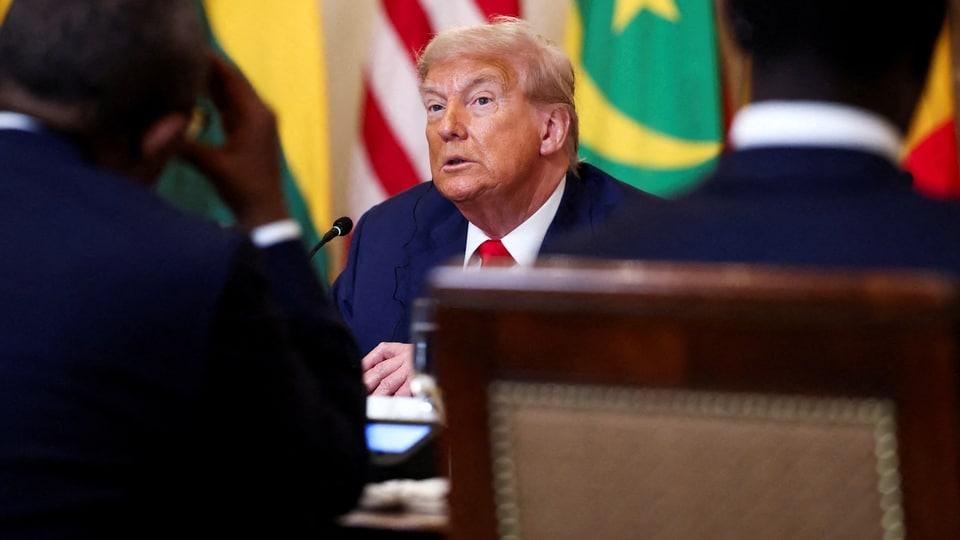
The development comes as the Trump administration has moved the deadline for country-specific tariffs from July 9 to August 1, giving countries additional time to finalise their agreement while expanding the scope of discussions beyond the initial goods-focused negotiations.
According to one person familiar with the matter, the outcome of about four months of negotiations for an early harvest deal on goods is awaiting President Trump’s approval. “Now, the ball is in his court,” this person said.
India’s negotiating team led by special secretary-commerce Rajesh Agrawal returned from Washington on July 3 after concluding week-long intensive negotiations.
The two negotiating teams produced an outcome document at the end of what was the fourth in-person round, but it could not satisfy higher authorities because the Trump administration wanted unfettered access for American farm produce and automobiles in the Indian market. The Indian government was, however, unwilling to open sensitive segments of agriculture and farm sectors and insisted on reciprocity in tariff and non-tariff concessions, a second person said.
That issue could also come up during the visit next week. “The final conclusion of the interim trade deal may also figure in the meetings between the negotiating teams next week and the two may try to iron out their differences,” this person said.
The person cited above said the differentiation between an interim deal (before July 9) and the first tranche (by October 2025) of the BTA is no longer relevant as the Trump administration has moved the deadline for country-specific tariffs to August 1.
“The purpose of an early trade deal remains to avoid the removal of Liberation Day tariffs—a 10% baseline imposed on Indian exports to the US from April 5 and an impending 16% India-specific additional levy now expected from August 1,” this person added.
Earlier this week, Trump said US and India “close to making a deal” and New Delhi has, as of Thursday, been excluded from multiple rounds of tariff ultimatum letters sent by Trump to other countries. On Wednesday, he sent letters to eight more countries including Brazil, the Philippines, Brunei, Moldova, Algeria, Libya, Iraq and Sri Lanka, but made no mention of India. This follows letters sent to 14 other nations, including major allies Japan and South Korea.
However, adding a layer of complexity to the bilateral negotiations, Trump on Tuesday had introduced a separate tariff threat against India based on its Brics membership. “They [India] will certainly have to pay 10% if they are in Brics because Brics was set up to hurt us, to degenerate our dollar,” Trump said, referring to the bloc led by Brazil, Russia, India, China and South Africa.
In a related development, India has also gone to the World Trade Organisation against the US decision this month to impose safeguard duties on steel (50%), aluminium (50%), automobiles (25%) and auto components (25%). On Thursday, it upwardly revised its proposal to impose retaliatory duties on US goods.
The raised quantum of its proposed retaliatory action follows Washington’s decision on June 3 to impose increased safeguard duties on steel and aluminium to 50%. Initially on March 12, the US had imposed 25% tariffs on imports of the two metals and their derivative articles.
Services trade, rules of origin, technical barriers to trade, and process facilitation are complex areas that typically require extensive negotiations, suggesting both countries remain committed to the longer-term goal of achieving the “Mission 500” target of $500 billion in bilateral trade by 2030 as decided jointly by Prime Minister Narendra Modi and President Donald Trump when they met in February.